
The Etymology of Tasyrik
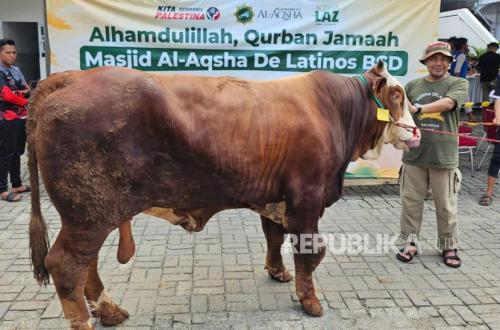
Tasyrik days, falling on the 11th, 12th, and 13th of Dhu al-Hijjah, provide Muslims with an opportunity to enjoy sacrificial meat, increase remembrance of God, and continue the festive spirit of Eid al-Adha. Muslims are prohibited from fasting during these days, as Prophet Muhammad (PBUH) described them as days for eating, drinking, and remembering Allah. KH Ahmad Sarwat, LC, explained on the Rumah Fiqih website that Tasyrik days fall on the 11th, 12th, and 13th of Dhu al-Hijjah. During these three days, Muslims remain in the festive atmosphere of Eid al-Adha, hence fasting is prohibited. “However, some scholars argue it is makruh (disliked) rather than haram (forbidden), especially considering those unable to afford the hajj penalty may fast for three days during the pilgrimage,” wrote KH Ahmad Sarwat, cited from Rumah Fiqih. “Indeed, those days (Tasyrik) are for eating, drinking, and remembering Allah (Hadith of Imam Muslim).” Tasyrik days are the three days following Eid al-Adha (10th of Dhu al-Hijjah). These days hold special significance in Islam as Muslims are permitted to sacrifice animals during this period. As is well known, Tasyrik days are closely linked to Eid al-Adha. During this time, Muslims are forbidden from fasting, a prohibition that aligns with the practice of sacrifice. According to MUI Digital, the term ‘tasyrik’ in Arabic is derived from the root ‘syarraqa’, meaning ‘sunrise’ or ‘drying something in the sun’. It also refers to facing east, the direction of sunrise.