
The Essence of the Economic Census: Reading the Pulse of the Economy
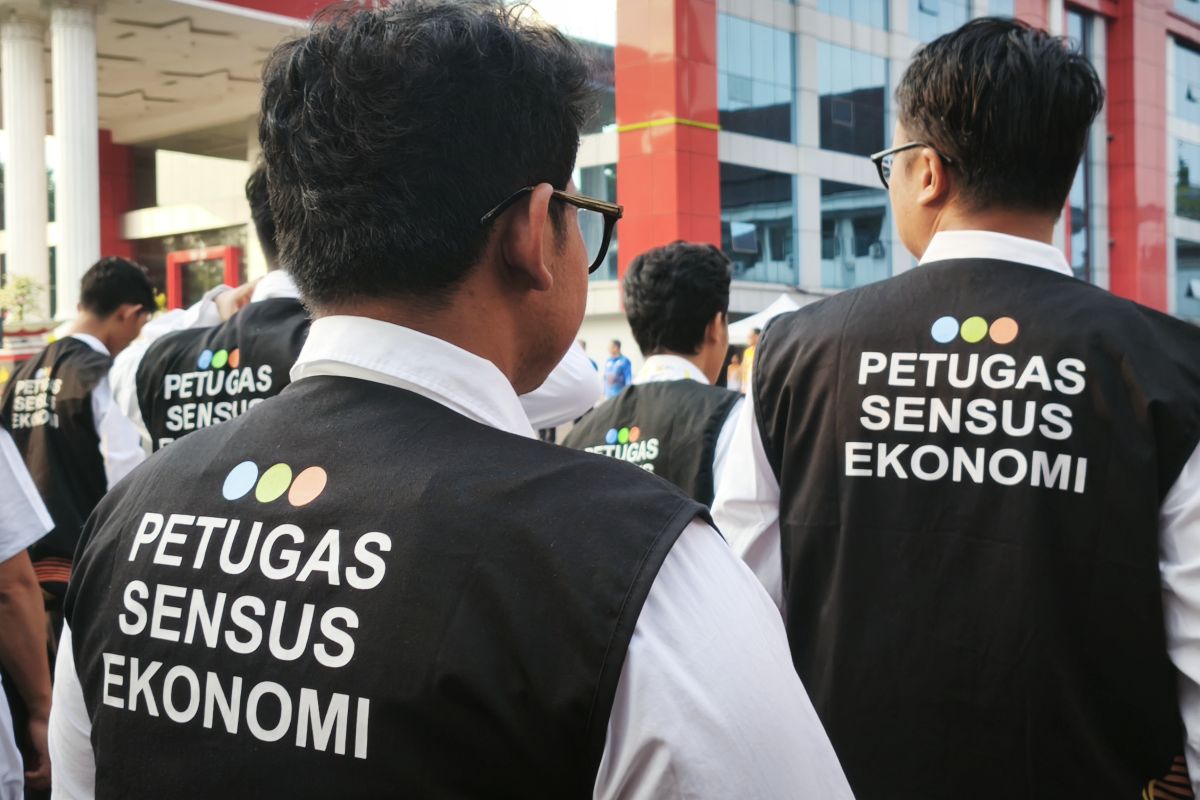
There remains a common perception that economic data collection is directly linked to taxation or the distribution of government assistance.
Jakarta (ANTARA) - Every sound economic policy is born from the same foundation: accurate data. The government can chart the direction of development, the business world can identify market opportunities, and the public can benefit from more equitable development, provided all decisions are based on complete and reliable information.
Conversely, when data fails to reflect real conditions on the ground, policies risk losing precision and effectiveness. In this context, the implementation of the 2026 Economic Census (SE2026) is highly strategic. This census is not merely a statistical activity held once every ten years, but a national endeavour to capture the pulse of Indonesia’s economy in its entirety.
By collecting data on all business activities outside the agricultural sector, the government gains an overview of the economic structure, business characteristics, the development of the digital economy, and the ongoing direction of economic transformation. This data is expected to serve as the basis for more targeted planning, monitoring, and development evaluation.
The momentum of the 2026 Economic Census coincides with a critical phase in Indonesia’s development journey. The government is currently accelerating industrial downstreaming, expanding economic digitalisation, strengthening investment, encouraging the transition towards a green economy, and preparing the foundation for ‘Indonesia Emas 2045’.
All these major agendas require an up-to-date database so that policies are not based merely on assumptions, but on the actual economic reality. Over the last decade, Indonesia’s economy has shown commendable resilience. Despite facing the COVID-19 pandemic, geopolitical uncertainties, global supply chain disruptions, and the global economic slowdown, Indonesia has been able to maintain economic growth of around five per cent.
However, this growth figure essentially only describes macro conditions. Behind it lies a far more complex dynamic: the birth of millions of digital businesses, the growth of the creative economy, changes in public consumption patterns, and the emergence of new economic growth centres in various regions. These dynamics are what need to be captured more comprehensively through the economic census.
Source: jawawa.id (https://jawawa.id/newsitem/the-essence-of-the-economic-census-reading-the-pulse-of-the-economy-1782712581)
Originally published by Antara (Indonesian) (https://www.antaranews.com/berita/5626875/esensi-sensus-ekonomi-membaca-denyut-perekonomian), translated from Indonesian