
The Early History of Plastic: Once a Saviour of Elephants, Now Skyrocketing in Price in Indonesia
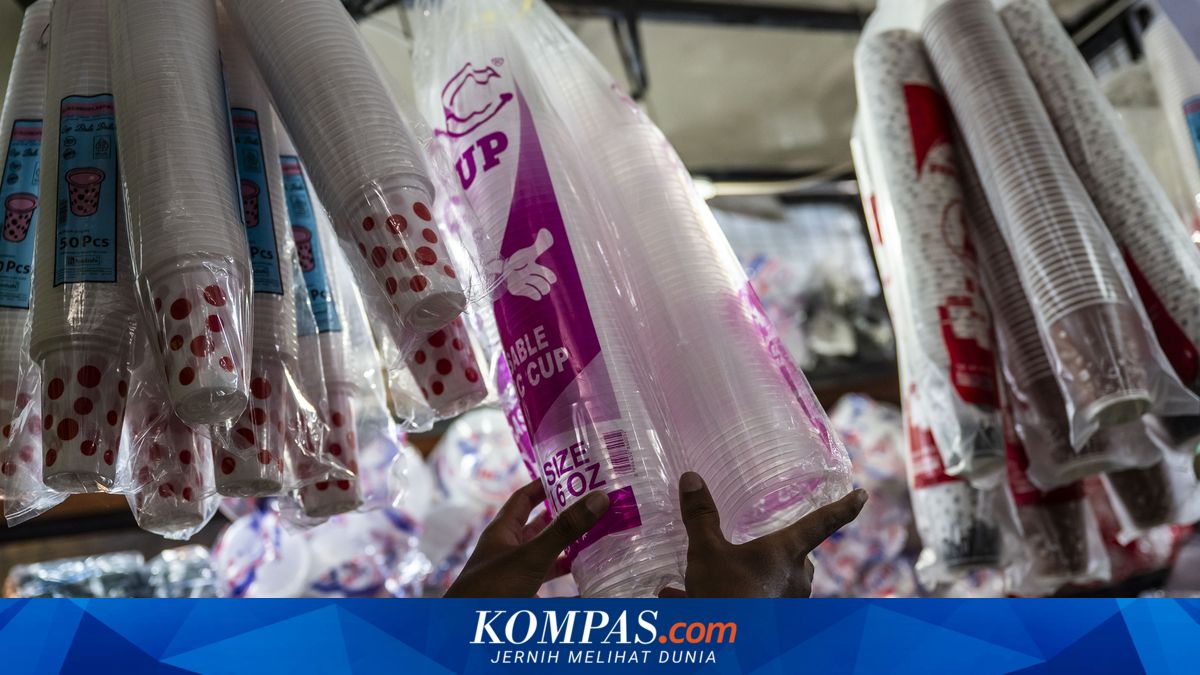
It is difficult to imagine modern life without plastic. From clothes hangers and food containers to the smartphones in your hands, everything involves this versatile material. However, did you know that plastic was originally created with a noble mission to save the environment?
Ironically, the material that was born as a cheap solution and a protector of wildlife is now facing a crisis in Indonesia. Prices are soaring sharply, causing significant distress to business operators. Before the 19th century, humans relied heavily on nature to manufacture everyday items; combs were made from tortoiseshell, while billiard balls were crafted from wild elephant ivory.
According to the Science History Institute, in 1869, a company in New York offered a $10,000 prize to anyone who could find a substitute for elephant ivory. The high popularity of billiards at the time had triggered the mass slaughter of elephants in the forests. This challenge was met by John Wesley Hyatt, who successfully created the world’s first synthetic plastic by mixing cellulose (plant fibres from cotton) with camphor.
This world-changing invention was welcomed with joy. Advertisements from that era even praised plastic as the ‘saviour of elephants and turtles’ because humans no longer needed to destroy nature to meet their needs. The revolution continued in 1907 when Leo Baekeland created Bakelite, the first fully synthetic plastic that did not use any molecules from nature at all.
Global industry changed completely. Entering the era of the Second World War, plastic production surged by 300 per cent as it was used for combat parachutes, ropes, and even aircraft windows. Although initially based on plant fibres, the majority of modern plastics used today are produced using abundant carbon atoms from petroleum and fossil fuels.
Because of its long molecular chains (polymers), plastic is incredibly strong, lightweight, flexible, and most importantly, inexpensive. However, this dependence on petroleum is a double-edged sword. When the global oil supply chain is disrupted, the global plastic industry immediately suffers. This is precisely what is happening now, directly impacting the pockets of the Indonesian people. The Indonesian Olefin, Aromatics, and Plastic Industry Association (Inaplus) has stated that the national plastic market has officially entered a new phase: a ‘price adjustment’ phase.
Source: jawawa.id (https://jawawa.id/newsitem/the-early-history-of-plastic-once-a-saviour-of-elephants-now-skyrocketing-in-price-in-indonesia-1780879156)
Originally published by Kompas (https://www.kompas.com/sains/read/2026/06/02/110312723/sejarah-awal-munculnya-plastik-dulu-selamatkan-gajah-kini-harganya?utm_source=ABC&utm_medium=rss), translated from Indonesian