
The 'Digital Toll Road' Hidden in the Strait of Hormuz: A Potential Source of Revenue and New Power for Iran?
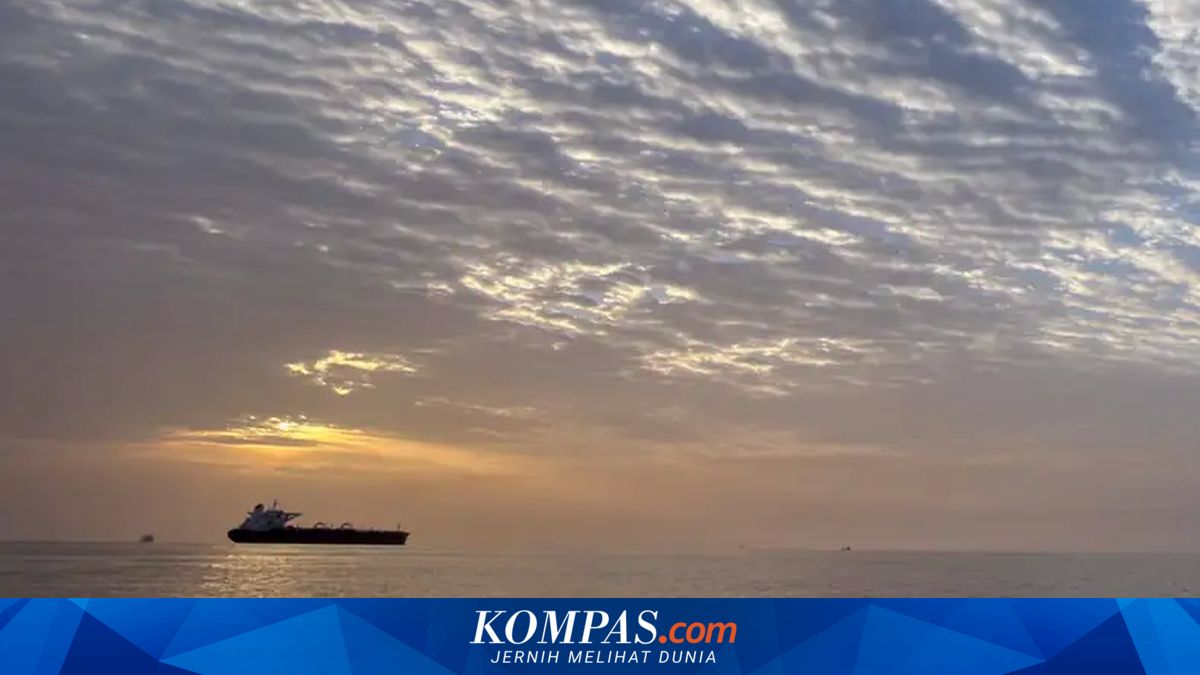
For years, the Strait of Hormuz has been recognised as the artery of global oil distribution. However, behind the flow of oil tankers lies a ‘hidden digital toll road’ that holds potential economic and new geopolitical power for Iran.
At least seven international underwater internet cables cross the Strait of Hormuz. These cables are a vital route for data connection between Asia, the Middle East, and Europe, including supporting cloud services and the global internet.
The Tasnim news agency, a media outlet close to the Islamic Revolutionary Guard Corps (IRGC), believes that Iran should start generating revenue from these underwater fibre optic cables.
Although the value of transactions passing through is substantial, Iran feels that it has not yet reaped the economic benefits or sovereignty gains from this digital infrastructure.
For some time, the Strait of Hormuz has been viewed in a traditional way, simply as a shipping lane and oil distribution route.
Therefore, in an article entitled ‘Three practical steps for generating revenue from Strait of Hormuz internet cables’, Tasnim urges the Iranian government to take three key steps.
The first step is to charge initial licensing fees and annual renewal fees to foreign companies using the underwater cables.
Secondly, Iran is asked to require major technology companies that use the cables, such as Meta, Amazon, and Microsoft, to operate under Iranian law.
Thirdly, Tasnim proposes that the maintenance and repair of the underwater cables be carried out exclusively by Iranian companies.
Another media outlet also affiliated with the IRGC, Fars, has echoed similar sentiments. In its report, Fars describes the Strait of Hormuz as a ‘hidden digital toll road’ that has the potential to become a new instrument of power for Iran.
If Iran were to implement new controls or impose levies on underwater internet cables, analysts fear that the impact could extend to the global financial system, cloud services, and the operations of major global technology companies.
The idea of taking ‘taxes’ from underwater internet cables in the Strait of Hormuz appears to be inspired by Egypt’s actions.
The Land of the Pyramids has long been collecting transit fees for underwater internet cables connecting the Red Sea and the Mediterranean Sea.
Source: jawawa.id (https://jawawa.id/newsitem/the-digital-toll-road-hidden-in-the-strait-of-hormuz-a-potential-source-of-revenue-and-new-power-for-iran-1780583749)
Originally published by Kompas (https://tekno.kompas.com/read/2026/05/15/19060007/jalan-tol-digital-tersembunyi-di-selat-hormuz-potensi-mesin-cuan-dan-kekuatan?utm_source=ABC&utm_medium=rss), translated from Indonesian