
The Devil's Deception of the Poor: Feeling Most Ascetic and Fond of Begging
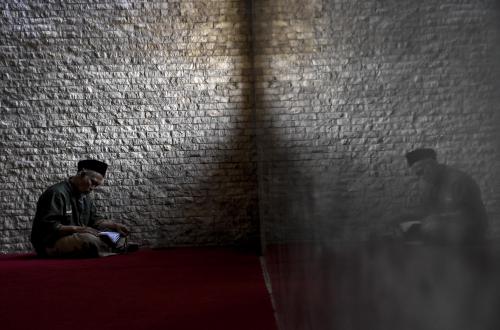
Poverty does not mean a person is free from the temptations of Satan. Classical Islamic literature explains that the devil has various deceptions to mislead the poor, ranging from encouraging the habit of begging without genuine need, displaying poverty for praise, to cultivating a feeling of being more noble by considering oneself more ascetic than the wealthy.
Jamaluddin Abul Faraj Abdurrahman bin Ali bin Muhammad bin Ali, Al Qurasyi, Al Baghdadi, known as Ibnul Jauzi, in his work Talbis Iblis, explains that the poor are not spared from the devil’s deceptions. Among them are those who deliberately appear poor when they are actually wealthy. If a person constantly holds out his hand to others and begs, he is merely increasing the embers of hellfire.
From Abu Hurairah, the Prophet Muhammad SAW said, ‘Whoever begs for people’s wealth in order to increase his own wealth, then indeed he is asking for embers of hellfire. Therefore, it is up to him whether he asks for a little or a lot.’ (Narrated by Imam Muslim)
If a person does not receive anything from others and then displays his poverty to be considered ascetic, he has committed ostentation. If he hides the blessings of Allah that are upon him, and by displaying poverty he feels he is not obliged to give charity, then besides being miserly, he is also as if complaining about his situation to Allah.
However, if a person is truly poor, what he should do is conceal his poverty and behave normally. Among the pious predecessors were those who carried keys to make others think they owned a house, when in fact they lived nowhere but the mosque.
Among the devil’s deceptions towards the poor is making them feel better than others because they consider themselves ascetic, something they think the rich do not possess. This assumption is clearly wrong, because the measure of goodness does not lie in the presence or absence of wealth, but in the attitude of the heart and the deeds that accompany it.