
The Devastating Earthquake That Crippled the Soviet Union
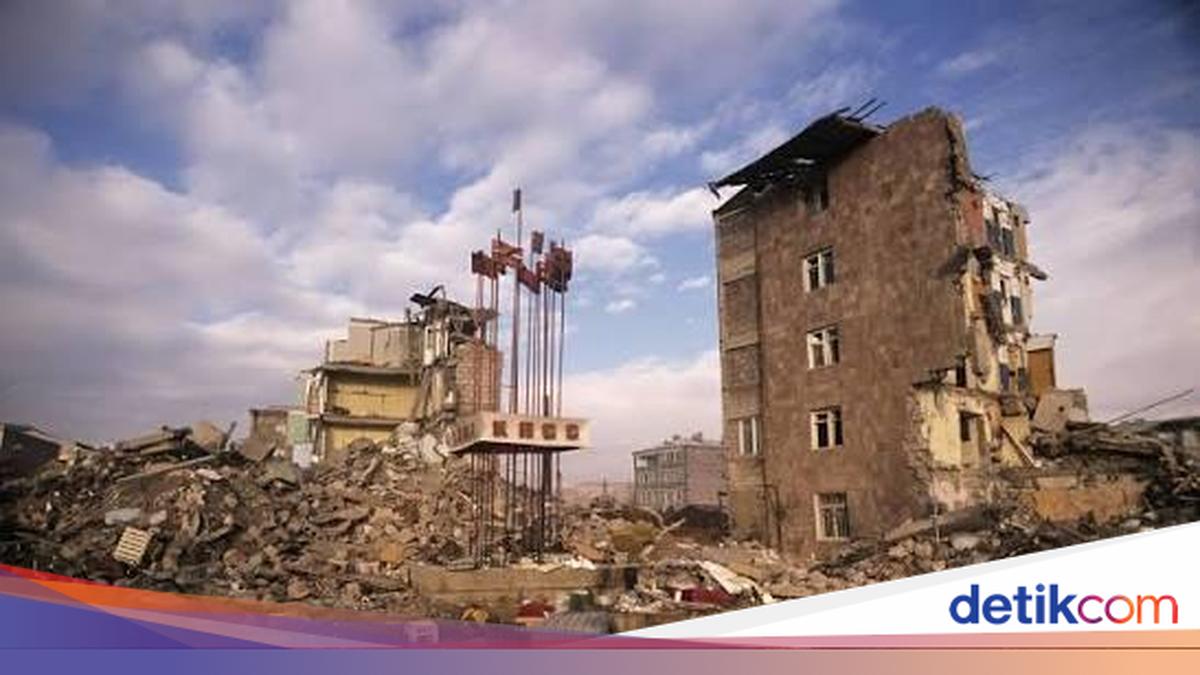
A massive earthquake struck Armenia on 7 December 1988, when it was still part of the Soviet Union. The 6.9-magnitude tremor, followed by a major aftershock just four minutes later, devastated the northwestern region. The city of Spitak was completely destroyed, and 80% of buildings in Leninakan were damaged. Official Soviet estimates recorded over 25,000 fatalities, though unofficial figures suggested the death toll could be more than double that, with 19,000 injured and over 500,000 left homeless. The disaster prompted an official request for international aid, resulting in the largest relief effort since the Second World War.
Beyond the immense human cost, the earthquake inflicted catastrophic economic damage on the Soviet Union. By February 1989, Soviet media reported building losses exceeding USD 16 billion, a figure expected to double when accounting for business closures and the shutdown of the Armenian Nuclear Power Plant. The disaster halted operations at 130 factories and eliminated 25% of the region’s electricity supply, which had also been exported to Georgia. The catastrophe exposed severe weaknesses in Soviet building design, construction standards, and emergency response organisation, leaving the nation economically and socially crippled.