
The Damaging Impact of Victim Blaming on Abuse Survivors, According to a Psychologist
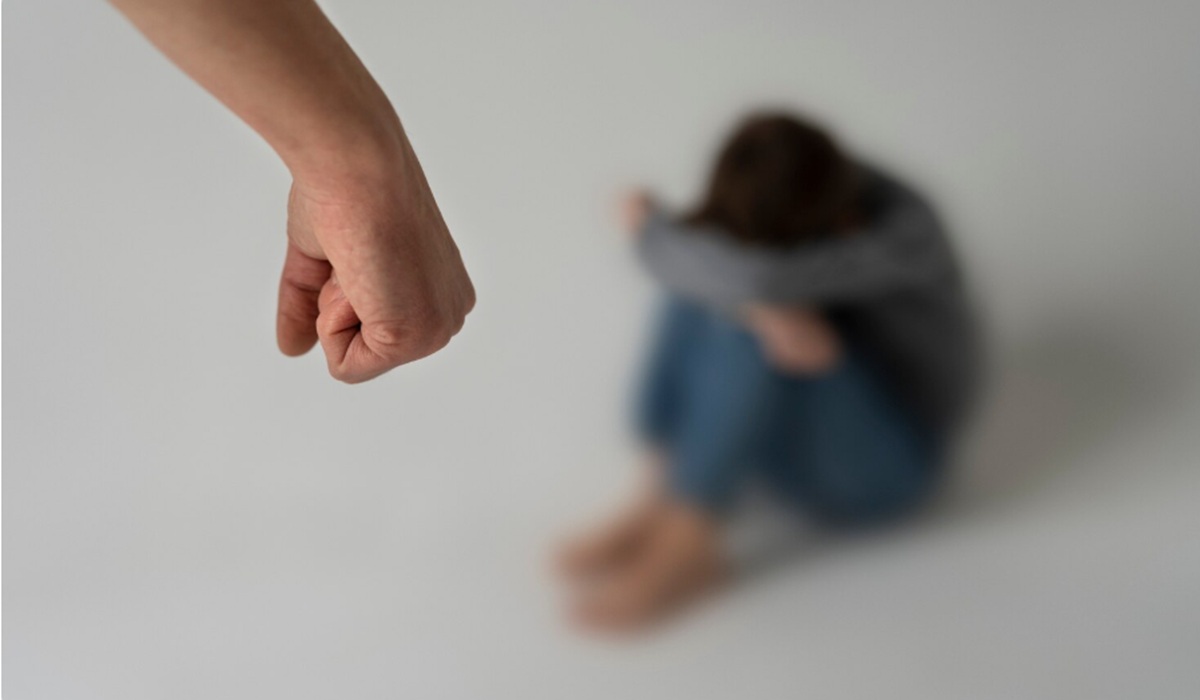
The behaviour of blaming the victim in cases of violence has become a serious concern for mental health practitioners. Psychologist Samanta Clara Elsener, S.Psi, M.Psi, stressed that such an attitude is not only hurtful but can tangibly prolong the trauma experienced by the victim. According to Samanta, in psychological practice, a supportive environmental response is one of the key factors in the trauma recovery process. Conversely, judgement from society is a major obstacle to healing. “Victim blaming can actually prolong trauma and hinder the healing process,” said Samanta, who is also a board member of the Indonesian Psychology Association (HIMPSI), on Wednesday (2/7). Samanta explained there are several psychological reasons why this phenomenon often occurs in society. One is the just-world hypothesis, where people tend to look for the victim’s faults so they can feel safe themselves and believe a similar thing will not happen to them. Furthermore, low literacy regarding the psychological impact of violence and the tendency to view events from a limited information perspective further exacerbate the situation. In reality, behind a case, victims often face threats, manipulation, and tight control on a daily basis. Comments like “if I were the victim, I would have run away” are considered extremely hurtful. Samanta noted that survivors do not only carry physical or mental wounds from the violence, but also the burden of guilt for being considered responsible for their own fate. “As a result, survivors can become increasingly ashamed, lose self-confidence, be reluctant to seek help, and even choose to remain silent for fear of being judged again,” she added. She emphasised that the difficulty victims face in escaping is a form of survival system under conditions of extreme trauma, not because they do not want to survive. Samanta urged the public to be more empathetic. Being empathetic does not mean ignoring the legal process or the presumption of innocence, but rather acknowledging that every person suspected of being a victim has the right to be treated with respect and heard without judgement. Before commenting, especially on social media, the public is asked to consider whether the opinion conveyed will help or worsen the victim’s wounds. Judgement should not be based on personal assumptions or fragmented information. “A healthy society is not the one that is quickest to judge, but rather a society that is able to provide a sense of safety for victims to speak up and get help,” she concluded.