
The Crucial Role of Air Pumps in Domestic Wastewater Management
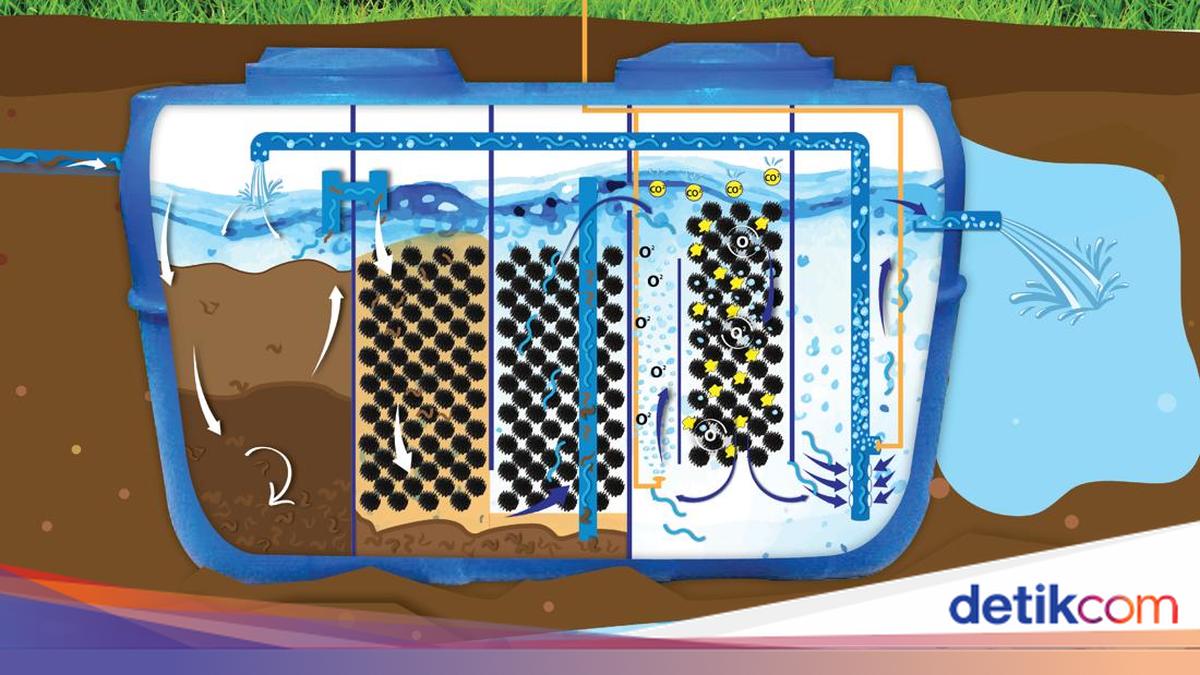
Domestic wastewater is often overlooked once it enters the drainage system. However, activities such as bathing, washing, using toilets, and kitchen tasks produce wastewater containing organic matter and other compounds that must be treated before being returned to the environment.
As residential areas, educational facilities, hospitals, offices, and public service facilities expand, the need for Wastewater Treatment Plants (WWTP) becomes increasingly vital. However, the mere existence of a WWTP is insufficient; the system requires precise treatment processes to function optimally.
“One of the critical parts of the biological treatment process is aeration. Behind this aeration process lies a component that plays a very important role: the air pump,” said Bambang, Marketing at PT Maha Tirast Utama, in a written statement on Sunday (13/9/2026).
PT Maha Tirta Utama is the official distributor in Indonesia for air pump products manufactured by PT Yasunaga Indonesia, based in Jakarta.
Treating Domestic Waste
Domestic wastewater originates from various daily activities. Waste from toilets, bathrooms, kitchens, laundries, and public facilities can contain organic matter, suspended solids, detergents, oils, fats, and various other contaminants.
According to Bambang, if discharged directly without adequate treatment, this waste can degrade water quality and cause environmental issues. Therefore, WWTPs are designed to reduce pollutant loads before the treated water is released into the environment.
In biological treatment systems such as activated sludge, wastewater is mixed with microorganisms and oxygen. These microorganisms utilise organic matter as a food source, while oxygen is required for the aerobic biological process to occur.
“This is where aeration becomes extremely important,” Bambang emphasised.
Aeration: The Heart of the Biological Treatment Process
Simply put, Bambang explained that aeration is the process of introducing air into wastewater. The air produced by the pump is then directed to diffusers located within the aeration tank.
This air creates bubbles that help transfer oxygen into the water while simultaneously assisting in mixing the wastewater with microorganisms. The availability of Dissolved Oxygen (DO) is a critical parameter in the biological treatment process.
If oxygen levels are too low, microbial activity can be disrupted, and treatment quality may decline. Conversely, excessive aeration can lead to energy waste. Therefore, aeration capacity must be adjusted to the system’s requirements.
“In other words, an air pump is not merely a tool to produce bubbles, but a component that helps maintain the continuity of the WWTP’s biological process,” explained Bambang.
Imagine a WWTP with an aeration tank, but an insufficient air supply. The microorganisms responsible for decomposing organic matter, according to Bambang, would not receive adequate oxygen. Consequently, the treatment process could be disrupted, leading to several indicators:
Decreased treated water quality: The decomposition of organic matter does not run optimally, potentially increasing the pollutant load in the treated water.
Unpleasant odours: Disruptions in the biological treatment process can contribute to odour problems.
Impaired microbial performance: Aerobic microorganisms require oxygen to carry out their biological activities.
Increased operational costs: Using pumps that do not meet specific needs can lead to excessive energy consumption. The EPA also notes that over-aeration can be a source of energy waste.
“Therefore, choosing an air pump is not just a matter of how large the air capacity is, but whether that capacity matches the needs of the WWTP,” said Bambang.
WWTP for Schools and Public Facilities
Educational facilities are prime examples of environments that generate wastewater daily. Toilets, sinks, bathrooms, canteens, kitchens, and cleaning activities all produce wastewater that must be managed.
This situation is becoming increasingly relevant with the development of large-scale educational facilities and social programmes, including ‘Sekolah Rakyat’ and supporting facilities for the ‘Free Nutritious Meal’ (MBG) Programme. Kitchens producing large quantities of food will generate wastewater from washing ingredients, cooking utensils, floors, and sanitation activities.
The characteristics of this waste may differ from standard domestic wastewater, as it may contain higher levels of organic matter, oils, and fats. According to Bambang, in such conditions, the presence of a WWTP with an appropriate aeration system can become a vital part of sanitation infrastructure.
Bambang explained that in this context, a reliable WWTP system is no longer just an additional facility; it is a key part of efforts to maintain environmental quality and public health.
PT Yasunaga Indonesia, with manufacturing experience in Indonesia since 1996, provides various air pump options to support aeration needs in water treatment and environmental applications. Using linear diaphragm technology, oil-less operation, and diverse capacity options—with careful consideration of energy consumption, noise, and vibration—Yasunaga air pumps serve as a reliable choice for WWTP aeration systems requiring a stable air supply.
Source: jawawa.id (https://jawawa.id/newsitem/the-crucial-role-of-air-pumps-in-domestic-wastewater-management-1789289837)
Originally published by detikcom (https://news.detik.com/berita/d-8660897/alasan-penggunaan-pompa-udara-tak-bisa-diabaikan-untuk-limbah-domestik), translated from Indonesian