
The Creator of 'Pump and Dump' Stocks that Caused Massive Investor Losses
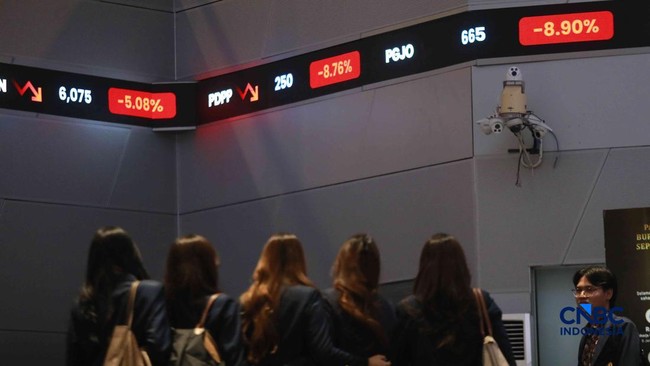
The phenomenon of ‘pump and dump’ stocks, which frequently causes retail investors to suffer heavy losses, is not a new story in the history of global financial markets. The earliest ‘stock manipulators’ were actually a British company known as the South Sea Company, which created one of the largest stock bubbles in history more than 300 years ago.
The South Sea Company was established with the aim of helping the British government manage swelling national debt resulting from various wars. In exchange, the company was granted monopoly trading rights for South American territories, which were under Spanish control at the time.
On paper, the business opportunity appeared highly promising. Many investors believed the company would reap massive profits from the trade of gold, silver, spices, and even slaves. This expectation made South Sea Company shares a favourite in the British capital market.
However, the reality was quite different. The company’s trading activities fell far short of expectations due to various political hurdles and conflicts between Britain and Spain. Although the core business did not grow significantly, the company’s share price continued to soar due to increasingly wild speculation.
This occurred in 1720, when Britain was in a fragile financial state following long and expensive wars against European powers. National debt was ballooning while revenues remained limited. In this situation, the government established the South Sea Company.
According to Britannica, the company was granted the privilege to take over and manage the national debt. In return, it was promised a monopoly on trade with South American regions, which were known to be resource-rich. This led many to believe the company would skyrocket in the future and provide extraordinary returns. Furthermore, after the government provided legitimacy, many ordinary citizens, members of parliament, nobles, and even King George I held shares. However, the management did not disclose that South American territories were controlled by Spain, not Britain. Theoretically, this meant the company would struggle to expand.
Euphoria spread through all layers of society. People raced to buy shares for fear of missing out. Consequently, share prices rose not due to profits or performance, but due to the belief that there would always be another buyer—the earliest form of ‘pumping’ stocks.
Unbeknownst to the public, the executives of the South Sea Company began secretly selling their shares. They knew the company’s business foundations were fragile and that the promises of profit were difficult to realise. When some investors began to question the actual source of profits, confidence collapsed. Panic spread rapidly; share prices plummeted, and the market crashed almost instantly.
According to Royal Society Publishing, the impact caused thousands of people to lose their entire life savings. Many nobles and entrepreneurs fell into poverty and bankruptcy overnight. One of the most famous victims was Isaac Newton. Although he initially made a profit, he re-entered the market when prices were too high and ultimately suffered significant losses. Newton famously concluded that he could calculate the motions of celestial bodies, but not the madness of people.
A subsequent government investigation uncovered a massive scandal involving bribery, conflicts of interest, and market manipulation involving the political elite. Several officials were punished, while public trust in the state and the capital market collapsed. This event is now recognised as the first instance of ‘stock frying’ (market manipulation) in the world. Unfortunately, such practices have never truly ceased.
Source: jawawa.id (https://jawawa.id/newsitem/the-creator-of-pump-and-dump-stocks-that-caused-massive-investor-losses-1780838872)
Originally published by CNBC Indonesia (https://www.cnbcindonesia.com/market/20260607164934-17-740806/sosok-pencipta-saham-gorengan-yang-bikin-banyak-investor-boncos), translated from Indonesian