
The Constitution of Medina: A Clear Mirror of Human and Humanitarian Civilisation
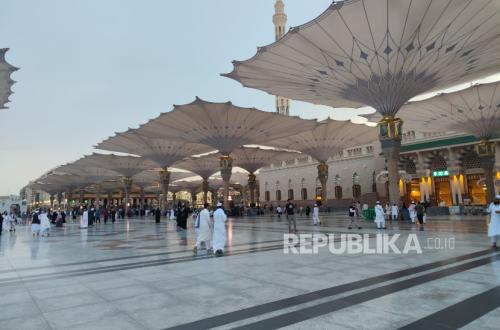
There is an indescribable feeling when one first sets foot in Medina. The city does not present the grandeur of modern global centres filled with skyscrapers, technological laboratories, or the bustle of global industry. It is surrounded by the desert. The sun descends with harsh light, and the wind carries dust and long traces of history. Yet, for some unknown reason, it is in this city that humans feel they are very close to the source of civilisation.
At night, as the courtyards of the Al-Masjid an-Nabawi begin to fill with the footsteps of people from various nations, a slow awareness grows within: Medina may not be a city that birthed modern machinery, but it is where many of the technologies of human civilisation first found their moral form. The city, which possesses almost no large rivers, teaches how humans build systems for clean water supply and distribution, social solidarity, and the discipline of living together amidst natural limitations. The city, situated in the middle of a wasteland, never truly lost its vitality. It serves as a silent lesson that great civilisations are not always born from an abundance of resources, but from the human ability to manage trust and uphold justice.