
The city that harvests the future
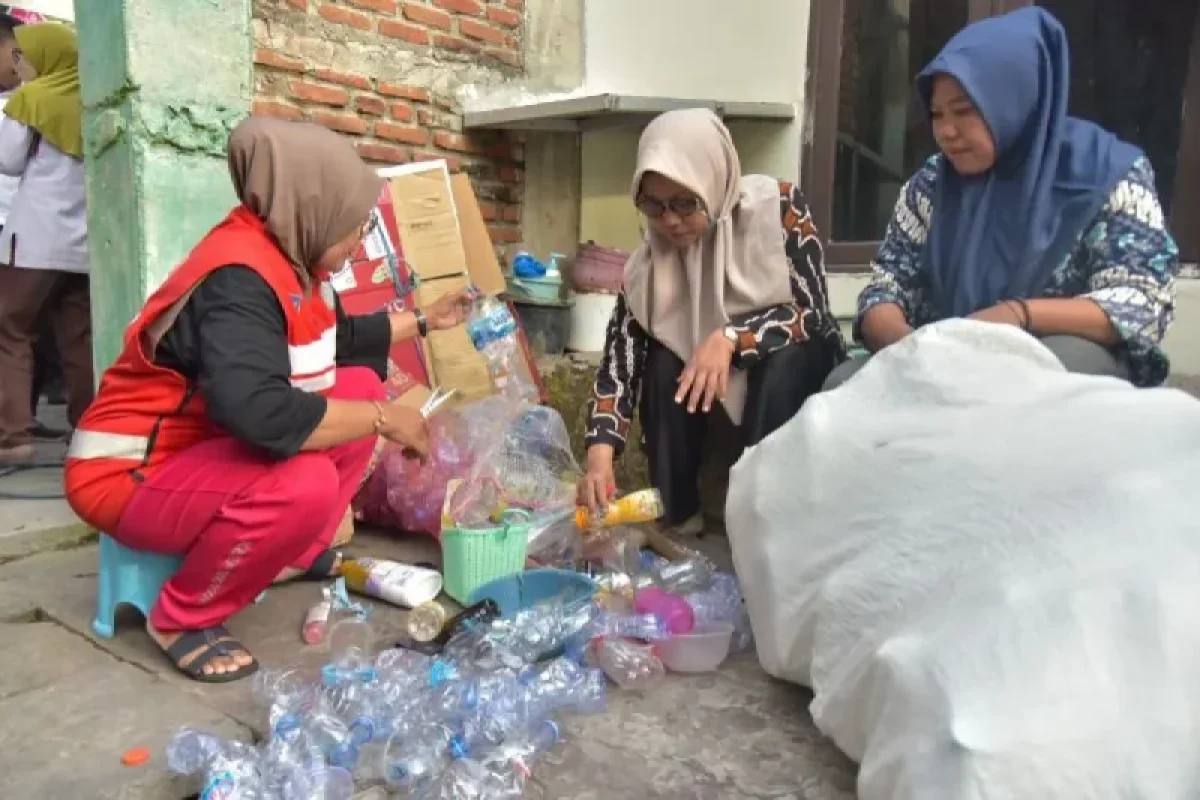
Perhaps this is the most interesting irony of rising plastic prices. As plastic becomes more expensive, society is beginning to realise that too much value has been discarded into rubbish bins.
Surabaya (ANTARA) - Mornings at a temporary waste collection point (TPS) in Surabaya are no longer the same. Piles of mineral water bottles, plastic cups, and plastic bags are no longer viewed solely as rubbish. In the corners of these collection points, plastic has become a highly sought-after item. Some wait for carts to arrive, while others sift through sacks specifically searching for high-value clear bottles. Waste that was once avoided has suddenly transformed into a commodity.
The rise in market prices for plastic over recent months has presented both an irony and an opportunity. On one hand, the high cost of plastic materials burdens businesses and MSMEs due to increased packaging expenses. On the other hand, this situation is opening new economic avenues for city residents through waste sorting at the household level.
This phenomenon is clearly visible in Surabaya. The Surabaya City Government has begun encouraging residents to build waste bank ecosystems based on local neighbourhood units (RT and RW). This initiative is not merely about urban cleanliness, but is part of an effort to change how society perceives waste.
For years, waste in many Indonesian cities has been positioned as an end-of-the-line problem; once discarded, the matter is considered settled. However, a large portion of household waste still possesses economic value. As plastic prices rise, this reality is becoming increasingly apparent.
Data from the Ministry of Environment and Forestry shows that Indonesia produces tens of millions of tonnes of waste annually, approximately one-fifth of which is plastic. The issue lies not only in the volume but in the low rate of sorting at the source. Consequently, waste becomes mixed and loses its economic worth. In Surabaya, the rise in plastic prices is revealing something that has long been hidden: there is a significant economic chain behind the used bottles and plastic bags discarded every day.
Profit amidst crisis
Global plastic price increases are driven by various factors, including rising global energy prices, disrupted raw material supplies, and pressures on the international recycling industry. The impact is felt at the local level. MSMEs are beginning to complain about packaging costs rising by up to tens of per cent. Food and beverage products that previously used cheap plastic are now facing higher production costs. If not anticipated, this condition could lead to an increase in the price of consumer goods.