
The Chinese Automotive Wave: How Can Indonesia Reap the Benefits?
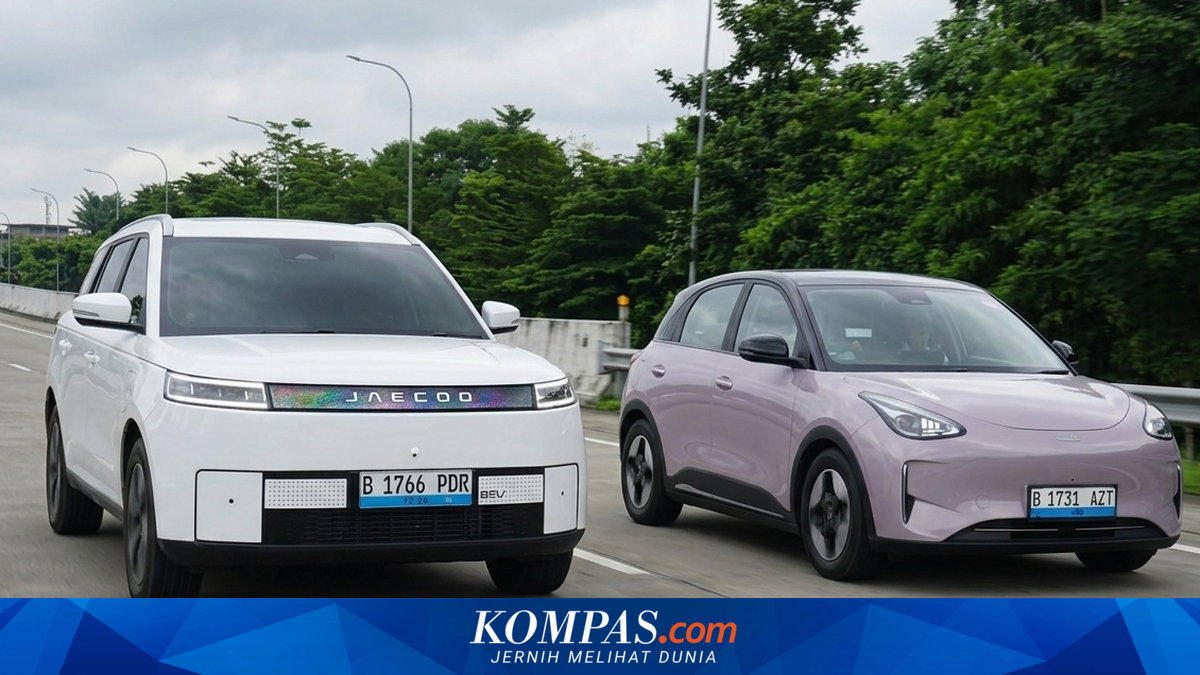
JAKARTA - The wave of Chinese automotive brands entering Indonesia is becoming increasingly difficult to stem. In recent years, names such as BYD, Chery, Wuling, Jaecoo, Aion, and Geely have aggressively expanded their market presence through the launch of new models, the construction of dealerships, and investments in domestic factories. Heiwai Tang, an international economist and Associate Vice President (Global) at The University of Hong Kong, assesses that the entry of Chinese automotive companies has the potential to deliver positive impacts on the national economy, as long as Indonesia can maintain a balance in its industrial policies. According to Tang, Indonesia’s greatest challenge at present is not merely to serve as a market for vehicles, but to leverage foreign investment to strengthen the production base and domestic industrial development. “I believe industrial policies should be designed to achieve a good balance between increasing productivity and creating jobs,” Tang stated when met in South Jakarta on Wednesday (13/5/2026). He cautioned that overly protectionist policies may indeed safeguard local companies in the short term. However, in the long term, such conditions risk impeding productivity and national economic growth. “If policies are too protectionist, they can create a sheltered market for local companies. But in the long term, this is actually not good for productivity and economic development,” Tang said. According to him, various studies indicate that sustainable economic development is more effectively achieved through markets open to investment and global competition. With an open market, Indonesia is considered to have greater opportunities to attract the world’s best companies to enter the country, including bringing technology transfers and knowledge to the local industry. In addition, the presence of foreign automotive investment is also assessed to be able to create higher-quality jobs in the future, particularly in the modern manufacturing sector and electric vehicles. Therefore, the entry of Chinese automotive brands is viewed not only as an increase in vehicle choices in the domestic market, but also as a momentum for Indonesia to accelerate the transformation of its national industry amid increasingly tight global competition.