
The Challenges of Converting Vehicles to Electric: From Legal Issues to Governance
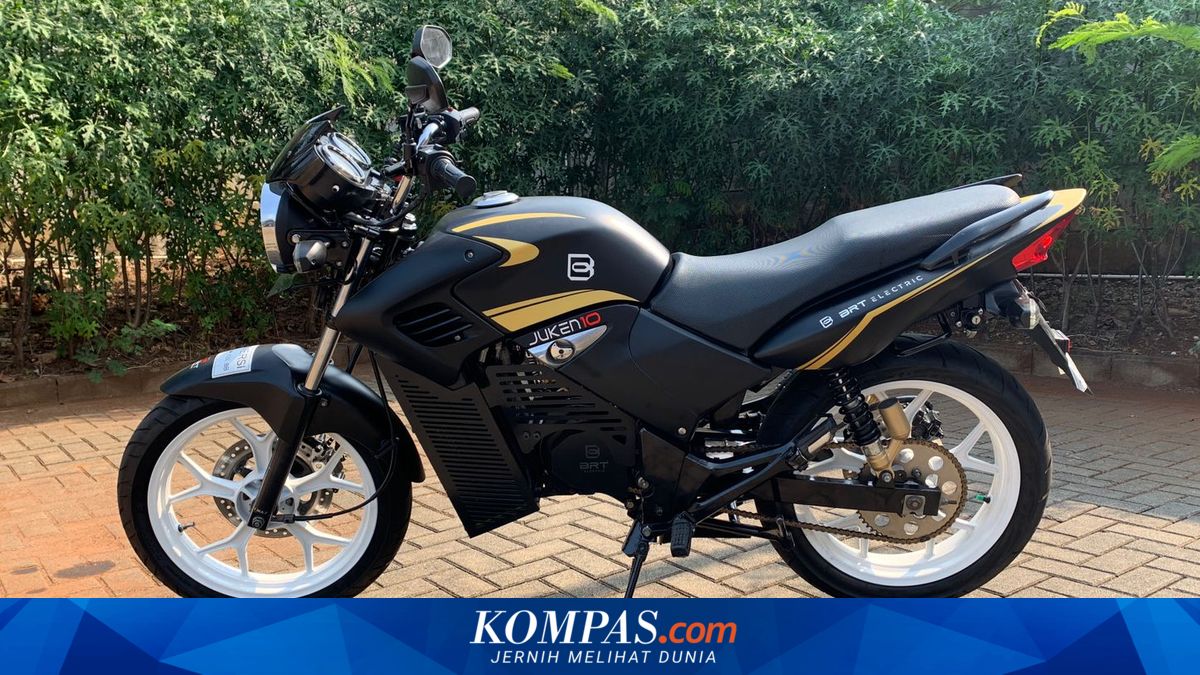
JAKARTA, KOMPAS.com — The government continues to push the acceleration of the battery-based electric motor vehicle ecosystem (KBLBB) in Indonesia. One of the strategic steps repeatedly promoted is the conversion programme, for both motorcycles and conventional cars powered by petroleum-based fuels (BBM) into electric vehicles. In the recent plenary session of the Indonesian House of Representatives, President Prabowo Subianto again reaffirmed his desire to undertake the conversion of cars and motorcycles to electric, in order to reduce dependence on oil imports and to conserve foreign exchange. Agus Pambagio, a member of the Indonesian Transportation Society’s Advisory Board (MTI) and a public policy observer, says the idea of converting cars and motorcycles to electric power could be realised. However, there are several challenges that must be overcome. One major focus is intellectual property rights and the legal guarantees from the original equipment manufacturers (APM). Altering the guts of vehicles produced by certain brands unilaterally risks triggering disputes. In addition to legal matters, economic factors also pose a hurdle. The government often promotes that electric vehicles are far more economical in terms of daily operating costs. However, Agus notes that the conversion process itself requires a substantial upfront capital outlay. For users, that expenditure could become a new burden.
Source: jawawa.id (https://jawawa.id/newsitem/the-challenges-of-converting-vehicles-to-electric-from-legal-issues-to-governance-1779542131)
Originally published by Kompas (https://otomotif.kompas.com/read/2026/05/22/152100115/tantangan-konversi-kendaraan-listrik--masalah-hukum-hingga-tata-kelola?utm_source=ABC&utm_medium=rss), translated from Indonesian