
The Career Journey of Nanik S. Deyang, New Head of the National Nutrition Agency
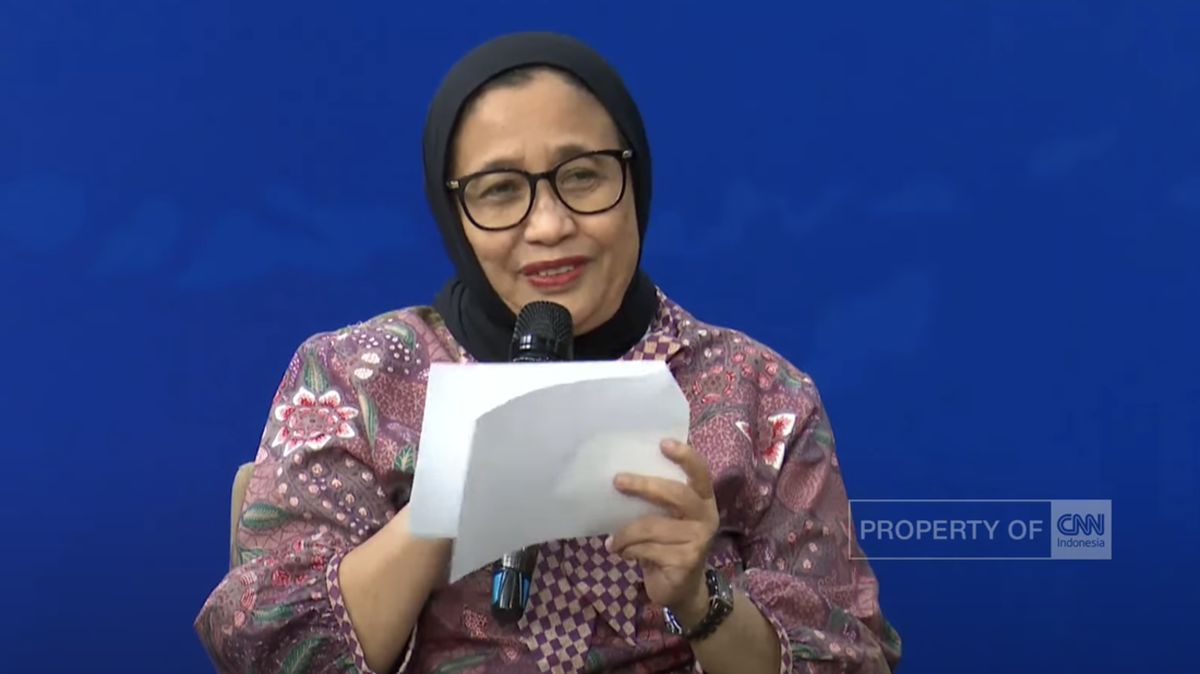
President Prabowo Subiability has appointed Nanik S. Deyang as the new Head of the National Nutrition Agency (BGN), succeeding Dadan Hindayana. This announcement was made by the Minister of State Secretary, Prasetyo Hadi, during a press conference at the Presidential Palace Complex in Jakarta on Tuesday night.
Prior to this appointment, Nanik Sudaryati Deyang served as the Deputy Head of the BGN for Public Communication and Investigation. A widely recognised figure, she was a senior journalist before entering the realms of politics and government. Born in Madiun, East Java, on 3 January 1968, she began her career as a reporter for the Bangkit Tabloid under the Kompas Gramedia media group and later became a media leader within the Peluang Media Group (KMP). Her extensive journalistic background has provided her with robust public communication skills.
Nanik gained national prominence through her active role within Prabowo’s support circles. During the 2019 Presidential Election, she served as the Vice Chairperson of the National Victory Body (BPN) for the Prabowo Subianto-Sandiaga Uno ticket. Following the formation of the Prabowo administration, she continued her service as the Deputy I of the Agency for the Acceleration of Poverty Eradication (BP Taskin) for the 2024-2029 period, working alongside Budiman Sudjatmiko.
Following the Red and White Cabinet reshuffle in September 2025, President Prabowo appointed her as the Deputy Head of the BGN for Public Communication and Investigation. In this role, she was responsible for public communication as well as the oversight and investigation of the Free Nutritious Meal (MBG) programme. Additionally, she served as the Daily Executive Chairperson of the MBG Programme Coordination Team.
During her tenure as Deputy Head, she became well-known for conducting unannounced inspections (sidak) of Nutrition Service Units (SPPG) to ensure that Standard Operating Procedures (SOP) for the MBG programme were strictly followed. These inspections aimed to guarantee the nutritional quality for Indonesian children, pregnant women, breastfeeding mothers, and toddlers.
Through recent inspections in Sukabumi, West Java, and elsewhere, Nanik identified several violations, including kitchens that failed to meet hygiene standards, layouts that deviated from technical guidelines, and sanitation facilities that posed risks to food safety. She has been firm in temporarily suspending SPPGs that do not comply with the programme’s SOPs.
Furthermore, Nanik has insisted that partners provide adequate accommodation for SPPG heads, financial supervisors, and nutrition supervisors to ensure the programme’s human resources can operate effectively. As of recent data, 2,213 SPPGs remain suspended pending improvements to meet technical requirements, out of a total of 27,208 operational units across Indonesia.