
The 'Bongsang' Craft Revives as Eid al-Adha Approaches
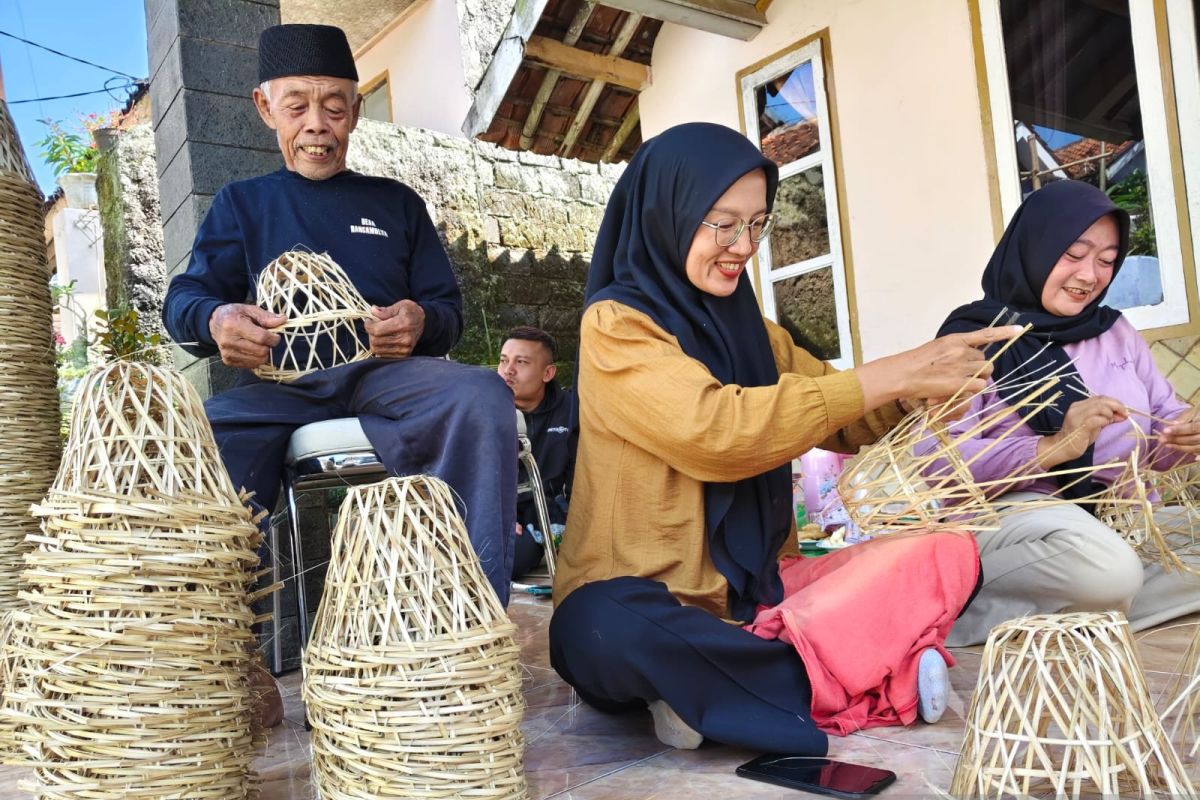
Sumedang (ANTARA) - The morning sun in Andir village, North Sumedang, has not yet fully risen when the distinctive sound of bamboo can be heard from within the stilt houses. It is not the sound of factory machinery, but a simple, rhythmic sound: bamboo being split, shaved, and then interwoven one by one to form a small basket called a ‘bongsang’. In one of the houses, Dadang Gunawan has been sitting since dawn. In his hands, strips of bamboo slowly transform into a shape he knows by heart. There are no machines, no molds, only skills passed down from parents for generations since 1917, who in turn received them from previous generations. “Here, almost everyone learns from their family. They have been watching their parents make ‘bongsang’ since they were little,” said Dadang while continuing to tidy up the weaving. In this village, time seems to have its own rhythm. It is not determined by working hours, but by the arrival of orders. And that rhythm changes as Eid al-Adha approaches. It goes from calm to a race against time to fulfill orders. Usually, one family of craftsmen can produce around 400 ‘bongsang’ per day. However, as Eid al-Adha approaches, that number can increase to 500 to 600 per day, with additional working hours until late at night. Under normal conditions, one household can produce around 10,000 to 12,000 ‘bongsang’ per month, depending on the availability of bamboo and family labor. The results are not counted individually, but tied together in bundles of 100 ‘bongsang’. One bundle is sold for around IDR 50,000 to IDR 60,000, allowing one family to earn around IDR 5 million to IDR 7 million during peak periods. “When it’s busy like now, it’s almost non-stop. As soon as one order is finished, another one comes in,” said Dadang. However, behind this household activity, the ‘bongsang’ industry in Sumedang is not as simple as it seems. In this area, there are at least 60 families who are still active as craftsmen. If calculated with an average production of 10,000 ‘bongsang’ per month per family, then from one center alone, the production turnover can reach more than 160,000 ‘bongsang’ each month. This number does not include other villages such as Cisarua, Wado, and other border areas which also have bamboo production activities. This means that there is a small economic network spread out, working in the same pattern: houses, bamboo, and hands that continue to weave. The potential of bamboo is abundant.