
The Birth of ITB: Colonial Engineering Needs
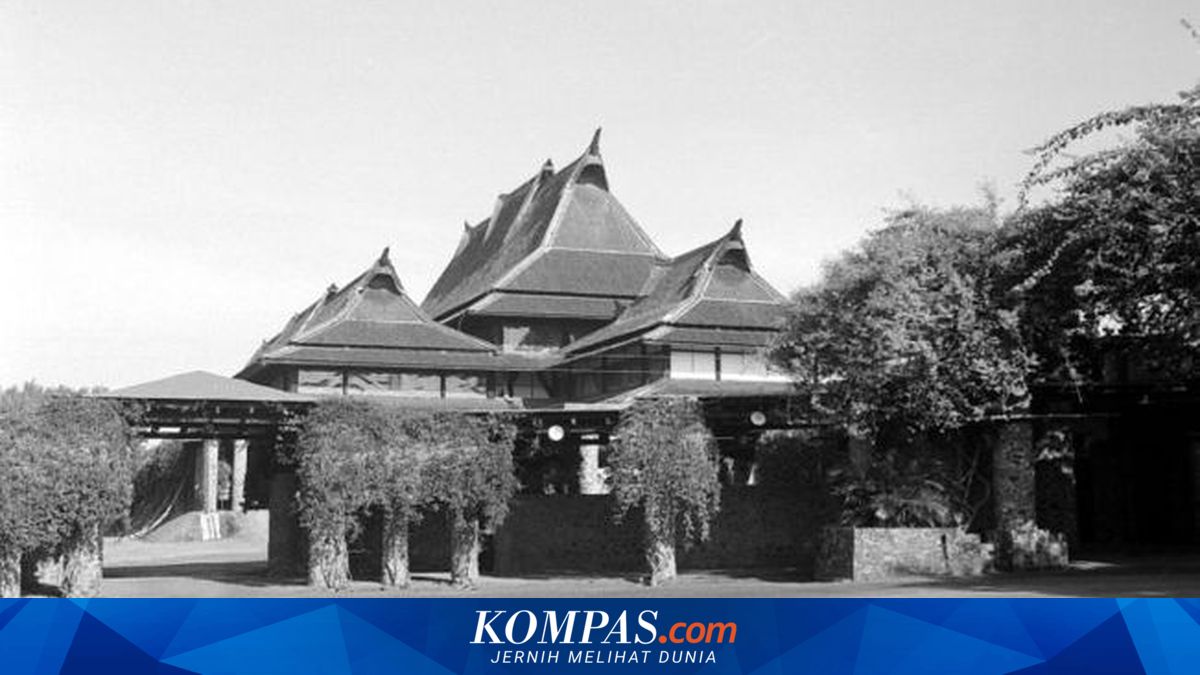
Bandung Institute of Technology (ITB) is one of Indonesia’s most prestigious technical universities. However, its founding traces back to the colonial Dutch government’s need for engineers.
According to ITB’s historical records, Indonesia’s higher technical education began in the early 20th century when the colonial administration established de Technische Hoogeschool te Bandung (TH) on 3 July 1920. Built on a 30-hectare site in Bandung, it was the first technical college in the Dutch East Indies.
Initially, TH had a single faculty, de Faculteit van Technische Wetenschap, with one department: de afdeeling der Wegen Waterbouw (road and hydraulic engineering). For the 1920-1921 academic year, 28 students enrolled, only two of whom were Indonesian. By early 1922, the institution had 12 professors teaching various engineering disciplines.
Four years after its opening, on 4 July 1924, TH graduated its first batch of 12 engineers. During its early years until 1924, TH operated as a bijzondere school (a private educational institution), later transitioning to a colonial government institution.
A significant milestone occurred on its sixth anniversary, 3 July 1926, when 19 out of 22 engineering candidates passed their exams, including four native Indonesians. Among the native graduates was Soekarno, who later became Indonesia’s proclaimer and first president of the Republic of Indonesia.
The technical institution’s journey continued to evolve alongside Indonesia’s political and historical developments. During the Japanese occupation from 1944 to 1945, TH was renamed Bandung Kogyo Daigaku (BKD).