
The Bibi Files Documentary to Be Screened at the European Parliament
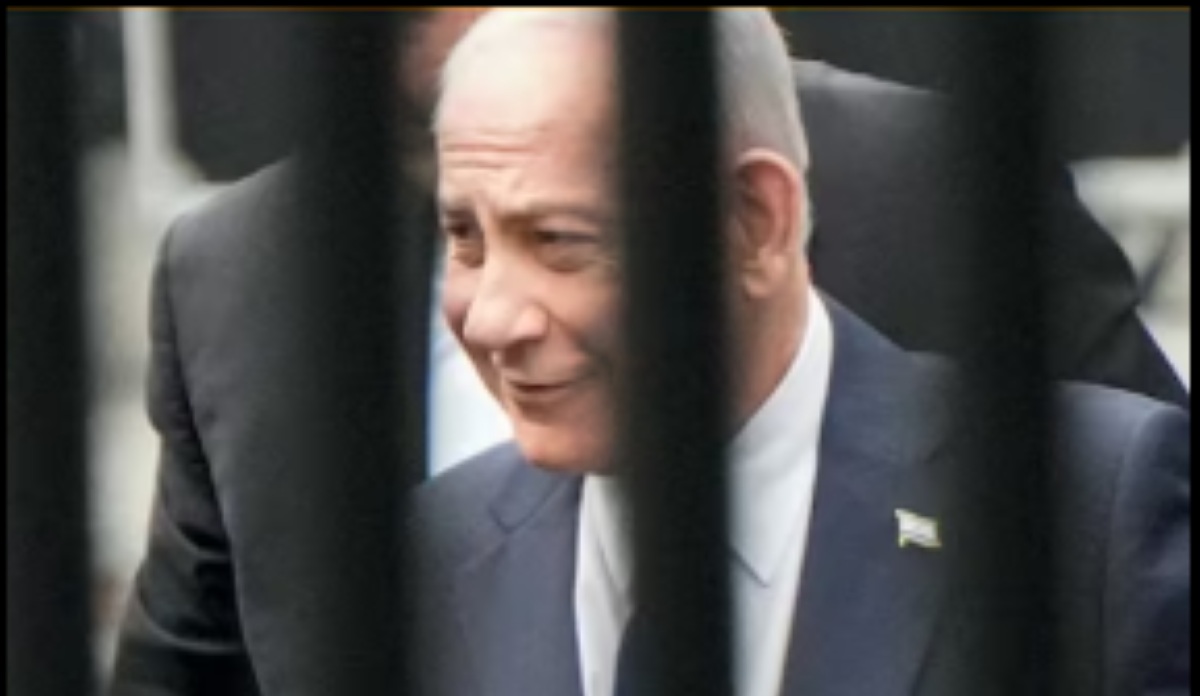
The documentary The Bibi Files, one of the most talked-about works concerning Israeli Prime Minister Benjamin Netanyahu, is scheduled to be screened inside the European Parliament building in Brussels on 29 September. The screening will take place exactly four weeks before Israel’s 2026 Knesset election.
The film is largely based on video recordings of police interrogations of Netanyahu. In Israel itself, the publication of this material has been the subject of a lengthy legal battle and required court approval for the release of both visual and audio material. Through the Brussels screening, members of the European Parliament and their assistants will view the sensitive material in the midst of Israel’s election campaign.
According to an invitation in circulation, the screening will begin at 18.00 local time, followed by a discussion session featuring the film’s director, Alexis Bloom, and Italian journalist Giulia Innocenzi. The event is being initiated by M5S Europa, the European Parliament delegation from Italy’s Five Star Movement. Although it is being held in the parliament building, the organisers stress that it is not an official European Parliament event and does not represent the official position of the European Union.
Released in 2024, The Bibi Files was directed by Alexis Bloom and produced by Oscar winner Alex Gibney alongside Israeli journalist Raviv Drucker. The core of the documentary is raw footage recorded by police during investigations into Netanyahu’s cases between 2016 and 2018.
According to the filmmakers, they received a database containing more than 1,000 hours of interrogation material in 2023 from an anonymous source via the Signal application. The identity of the source has not been disclosed to the public.
The material includes recordings of interrogations in which Netanyahu was questioned about the acceptance of gifts from businessmen, including cigars and champagne, as well as his relationships with wealthy individuals and media organisations. In addition to the police recordings, the documentary also features interviews with those close to Netanyahu, including his former aide turned state witness Nir Hefetz, former Shin Bet director Ami Ayalon, and former prime minister Ehud Olmert.
Bloom and Gibney do not confine their discussion to specific corruption cases (Cases 1000, 2000 and 4000), but also link Netanyahu’s legal battles to major developments in Israel, including the judicial reform efforts and his government’s policies during wartime.
It should be noted that the documentary represents the opinions of the filmmakers and has not been established as legal findings in the ongoing trial against Netanyahu. To date, Prime Minister Netanyahu denies all the allegations against him and insists the cases are the result of political persecution and selective law enforcement.