
The Benefits of Pomegranate Seeds for Immune Health
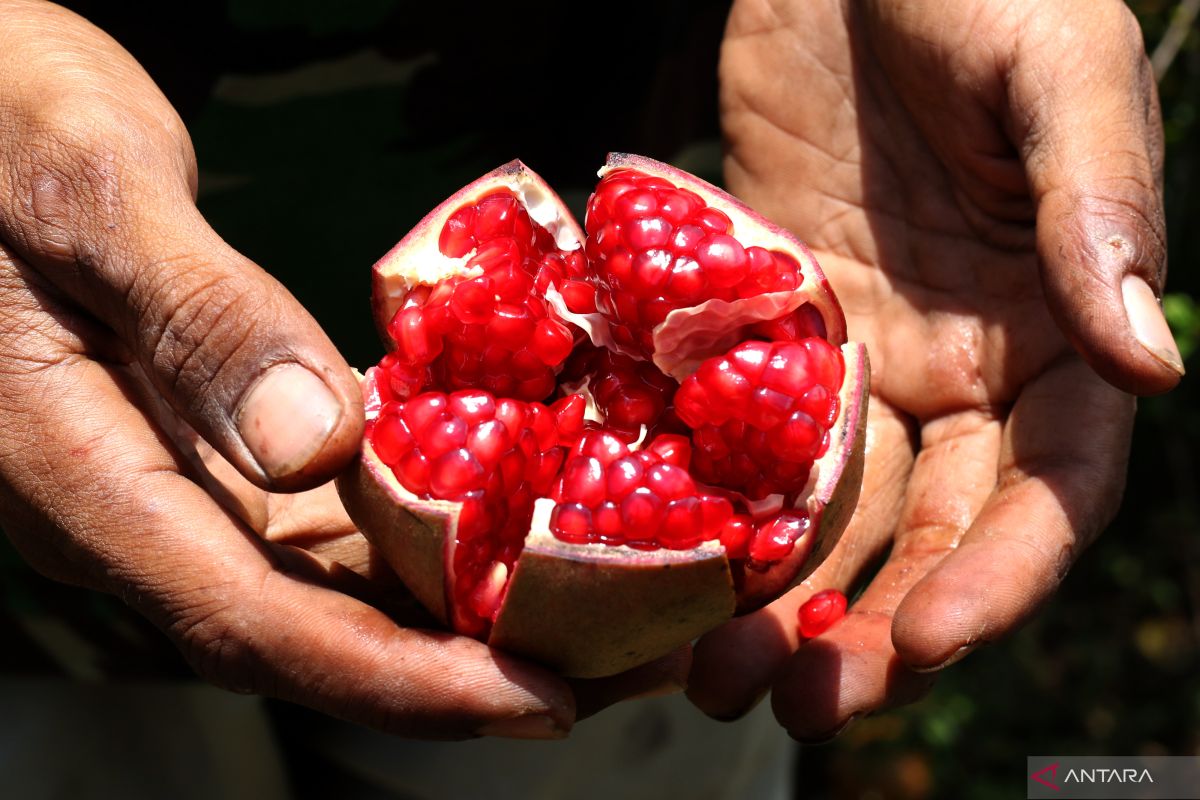
Jakarta (ANTARA) - Pomegranate seeds, with their sweet-and-sour flavour and juicy texture, can be added directly to meals to enhance their taste.
Registered dietitian Lauren Manaker, MS, RDN, said pomegranate seeds are rich in essential nutrients, including fibre, vitamins C and K, folate and potassium, as well as a small amount of plant protein, according to a Real Simple broadcast on Tuesday (3 November), local time.
Pomegranate seeds also contain polyphenols, or naturally occurring antioxidant plant compounds. These include anthocyanins, which give the seeds their beautiful ruby-red colour, as well as ellagitannins and ellagic acid.
Manaker said eating pomegranate seeds may boost the immune system because of their vitamin C content.
“Your immune cells depend on it to do their job, and it also acts as an antioxidant, protecting those cells from damage. It also helps maintain the skin and other barriers the body uses to keep germs out,” Manaker said.
Folate also helps create new cells, including white blood cells, which emerge when infection strikes. The fibre in pomegranate seeds helps feed beneficial bacteria, keeping the whole system working smoothly.
Registered dietitian and associate professor Heewon Gray, PhD, said pomegranate seeds contain several antioxidants, particularly polyphenols, including anthocyanins, ellagitannins, ellagic acid and gallic acid.
These antioxidants may help protect cells by reducing oxidative stress and modulating inflammatory pathways.
Another registered dietitian, Lyndsay Hall, BASc, RD, said these effects have also been linked to wound healing, fertility support and the prevention of some types of cancer. Pomegranate seeds also contain a polyunsaturated, or healthy, fat called punicic acid. This acid may reduce inflammation in the brain, which has been linked to preventing cognitive decline and diseases such as Alzheimer’s.
For heart health, polyphenols including anthocyanins and ellagitannins may counter oxidative stress and inflammation. Both processes can contribute to heart disease, so keeping them under control may help protect the heart.
These polyphenols may also protect blood vessels from oxidative damage, improve the function of the endothelial lining of the vessels and lower cholesterol.
Potassium helps regulate blood pressure, while punicic acid reduces processes involved in atherosclerosis.
Manaker added that pomegranate seeds may help muscles recover after exercise because they provide natural carbohydrates, which can replenish glycogen stores used during exercise, and potassium, which plays an important role in fluid balance and normal muscle function.
Despite their benefits, Gray advised against eating too many pomegranate seeds, as consuming them too quickly or all at once may cause stomach discomfort. Symptoms can include gas, bloating and abdominal cramps, particularly for people who do not usually eat high-fibre foods.
Manaker added that very large amounts could cause problems for people with existing digestive conditions, such as slow bowel movements, structural narrowing or a history of certain gastrointestinal surgeries. The same applies to people with irritable bowel syndrome (IBS) or other sensitive digestive conditions.
Source: jawawa.id (https://jawawa.id/newsitem/the-benefits-of-pomegranate-seeds-for-immune-health-1793771734)
Originally published by Antara (Indonesian) (https://www.antaranews.com/berita/5830759/manfaat-biji-delima-bagi-daya-tahan-tubuh), translated from Indonesian