
The art of managing your wallet in the era of lifestyle inflation
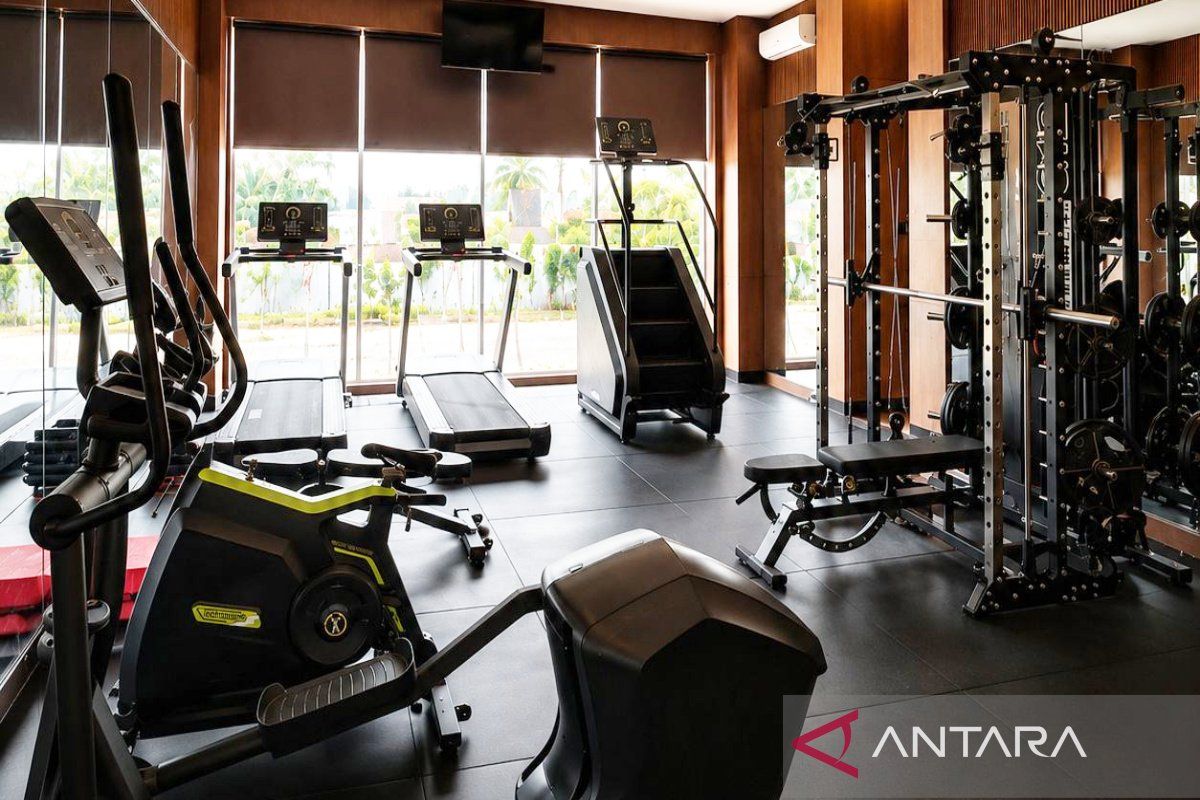
The body requires stamina for long journeys, and so does the wallet.
Jakarta (ANTARA) - Gen Z and Millennials are acutely aware that staying healthy comes with a cost. This is not merely for medical expenses, vitamins, or health check-ups; activities such as the gym, running, padel, tennis, yoga, pilates, and cycling are certainly not free.
While these activities may drain one’s wallet, the shift towards a healthier lifestyle is actually good news, as it demonstrates a growing awareness of the importance of investing in health. However, from a household economics perspective, practical issues arise, including determining how much income should be allocated to a healthy lifestyle without jeopardising savings, emergency funds, investments, and basic necessities.
It is widely recognised that there must be a balance between physical health and financial health, both of which ultimately rely on the same resource: a limited household income.
A recent Amar Bank survey of 300 Gen Z and Millennial respondents illustrates a phenomenon where sports and wellness have evolved into a part of lifestyle, community, and experience. Among Gen Z, the gym, racket sports, yoga, pilates, and pound fit are highly popular, while Millennials tend to prefer the gym, running, and cycling.
Interestingly, their primary motivation is not merely following trends. Approximately 53.8 per cent of respondents use exercise as a way to relieve stress, 22.5 per cent do so to maintain physical fitness and appearance, and 17.8 per cent do it for hobby and pleasure. Only 1.3 per cent admitted to doing it for prestige or due to the fear of missing out (FOMO).
This means that wellness expenditure can increasingly be viewed as part of the household welfare economy. The benefits are tangible, but this does not mean that spending can be left unchecked. The survey provides a signal worth noting: while 46.2 per cent of respondents still keep their sports budget below 10 per cent of their income, 22.1 per cent admitted that sports expenses are beginning to tighten their financial situation.
Furthermore, 10.6 per cent of Gen Z allocate more than 20 per cent of their income to sports, which is approximately 2.5 times the proportion of Millennials, which stands at 4.1 per cent. Some even sacrifice their savings to fund these activities.
In household economics, the issue is not whether Rp500,000 or Rp2 million for sports is too expensive. What is more decisive is the proportion of that amount relative to one’s income and overall financial condition. An expenditure of Rp1 million might be relatively light for someone earning Rp15 million with sufficient emergency funds. However, the same amount becomes a problem if the income is only Rp5 million, involves existing loan instalments, lacks an emergency fund, and lacks regular savings.
Therefore, a more useful concept is ‘opportunity cost’. Every rupiah spent on one need means it cannot be used for another need at the same time. When Rp1 million is used to buy new shoes, for example, the question is not just whether the shoes are affordable, but what other necessity must be sacrificed to purchase them.
Marketing Head of Amar Bank, Rosalinda Hoesin, recognises the importance of this balance. According to her, the increasing enthusiasm among the younger generation for a healthy lifestyle should go hand-in-hand with financial awareness, ensuring that wellness decisions do not jeopardise financial health.
Source: jawawa.id (https://jawawa.id/newsitem/the-art-of-managing-your-wallet-in-the-era-of-lifestyle-inflation-1790053578)
Originally published by Antara (Indonesian) (https://www.antaranews.com/berita/5752249/seni-mengatur-isi-dompet-di-era-inflasi-gaya-hidup), translated from Indonesian