
The Andri Yunus Case and the "Privilege" of Military Justice in a Democratic State
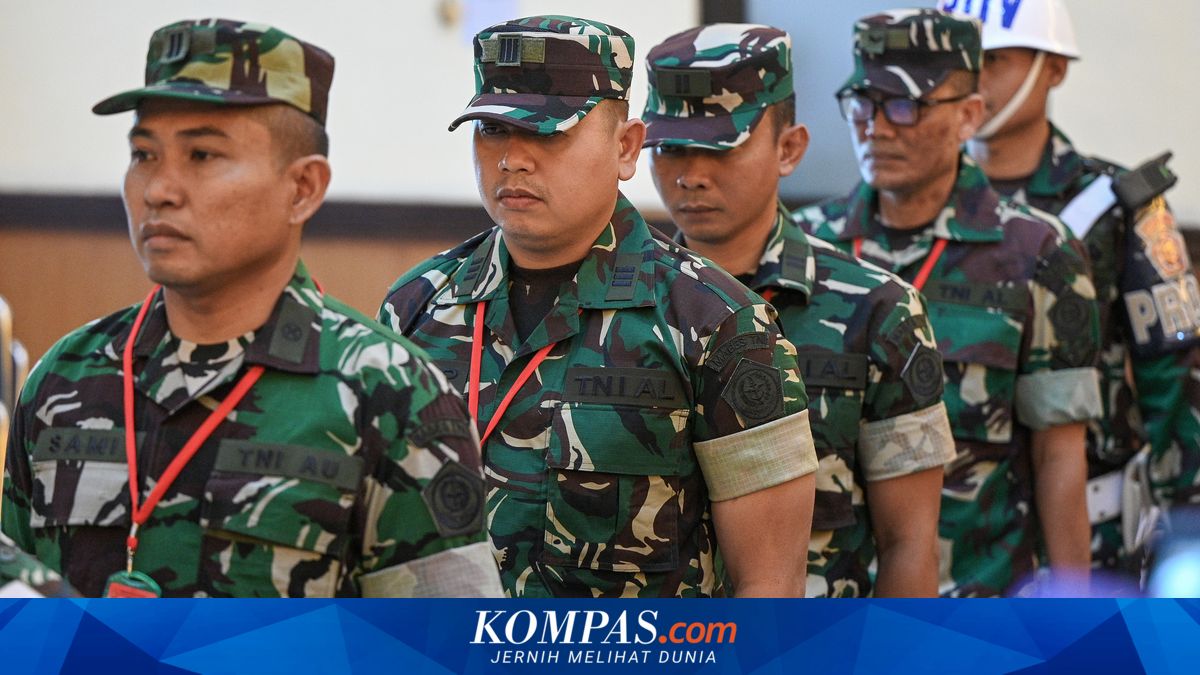
JAKARTA, KOMPAS.com - The principle of equality before the law is once again being tested in the practice of military justice in Indonesia, following the case of acid splashing against activist and Deputy Coordinator of the Commission for Missing Persons and Victims of Violence (Kontras), Andri Yunus, in Central Jakarta on 12 March 2026.
Four suspected perpetrators, who are active members of the Indonesian National Armed Forces’ (TNI) Strategic Intelligence Agency (Bais), are being processed through military court, even though the case is classified as a general criminal offence.
Professor of Law at UIN Sunan Ampel Surabaya, Sri Warjiyati, views this practice as potentially conflicting with the constitution.
“Yes, this can be considered contrary, as all citizens have equal standing before the law,” Sri told Kompas.com on Thursday (30/4/2026).
She emphasised that military courts still adjudicating general criminal offences create legal exclusivity and could lead to discrimination based on status.
In a democratic rule-of-law state, according to her, every person, including TNI soldiers, must be subject to the same jurisdiction when committing common crimes.
The Andri Yunus case serves as a concrete example of how differences in judicial forums spark debates about justice.
Conceptually, military courts are designed to handle violations related to military discipline and functions.
However, when their jurisdiction extends to general criminal offences, the boundary between military interests and public interests becomes blurred.
“In a democratic rule-of-law state, no party should be privileged. Every person, including TNI soldiers, should be subject to the same judicial jurisdiction (general court) when committing common crimes to ensure independent and transparent due process of law,” said Sri.
“The crucial issue now emerging is the judicial mechanism for the perpetrators. This is where the urgency that can no longer be delayed lies: the revision of Law Number 31 of 1997 on Military Justice,” said Sri.
She highlighted that the Military Justice Law has so far focused more on the perpetrator’s status as a military member, rather than the type of criminal offence committed.