
The 10 Countries with the Highest Instant Noodle Consumption
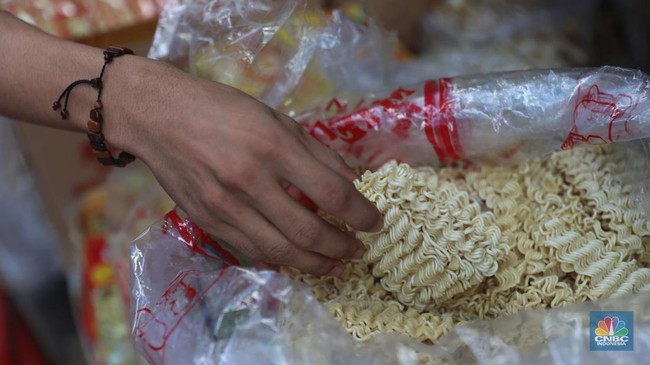
Instant noodles have become a staple part of consumption patterns in various countries. This food is known for being practical, easy to prepare, and available in a wide range of flavours that cater to local tastes.
Asian nations contribute significantly to this data, with Indonesia being one of the countries with the largest total consumption. Data from the World Instant Noodles Association (WINA) notes that China/Hong Kong, Indonesia, and India remain the top three countries for instant noodle consumption from 2023 to 2025.
The high consumption in Asia is due to the characteristics of instant noodles being inexpensive, easily accessible, practical, and even influenced by cultural reasons. In Indonesia, for instance, the WHO notes that instant noodles are increasingly popular because of their affordable prices and easy availability. This popularity is also linked to dietary patterns and food cultures in Asia that are already familiar with various types of noodles.
WINA notes that instant noodles are developing with flavours that suit local palates, ranging from chicken and vegetables to spicy and aromatic seasonings.
The ranking of countries by highest consumption differs when based on total portions consumed per person. WINA data shows that Vietnam holds the top position with a consumption of approximately 81 portions per person per year, equivalent to an average of about one portion every four to five days. South Korea follows in second place with approximately 79 portions, while Thailand reaches about 60 portions per person per year.
As for Indonesia, quoting 2023 data from Goodstats, 60.7% of the Indonesian population aged over three years consumes instant noodles 1–6 times per month. Meanwhile, 32% fall into the regular consumer category with consumption 2–3 times per month, while only 4% consume instant noodles once a month or less frequently.
Regarding how to approach instant noodle consumption, the perception that instant noodles are always unhealthy should be viewed more proportionally. Instant noodles can be part of a diet, but nutritional content needs to be considered, especially salt or sodium. The WHO recommends that adult sodium consumption be less than 2,000 mg per day and suggests limiting highly processed foods that are high in sodium.
Therefore, a bowl of instant noodles can be made more balanced by adding protein sources such as eggs, chicken, fish, or tofu, as well as vegetables. These additions increase the diversity of nutrients and fibre in a single meal. The WHO emphasises that a healthy diet should include a variety of vegetables, fruits, grains, nuts, and protein sources. Ultimately, the issue is not merely whether to eat instant noodles or not, but how often they are consumed and what else is added to the bowl.