
Thanks to Natural Selection, Indigenous Andean Communities Digest Potatoes Better Than Anyone Else in the World
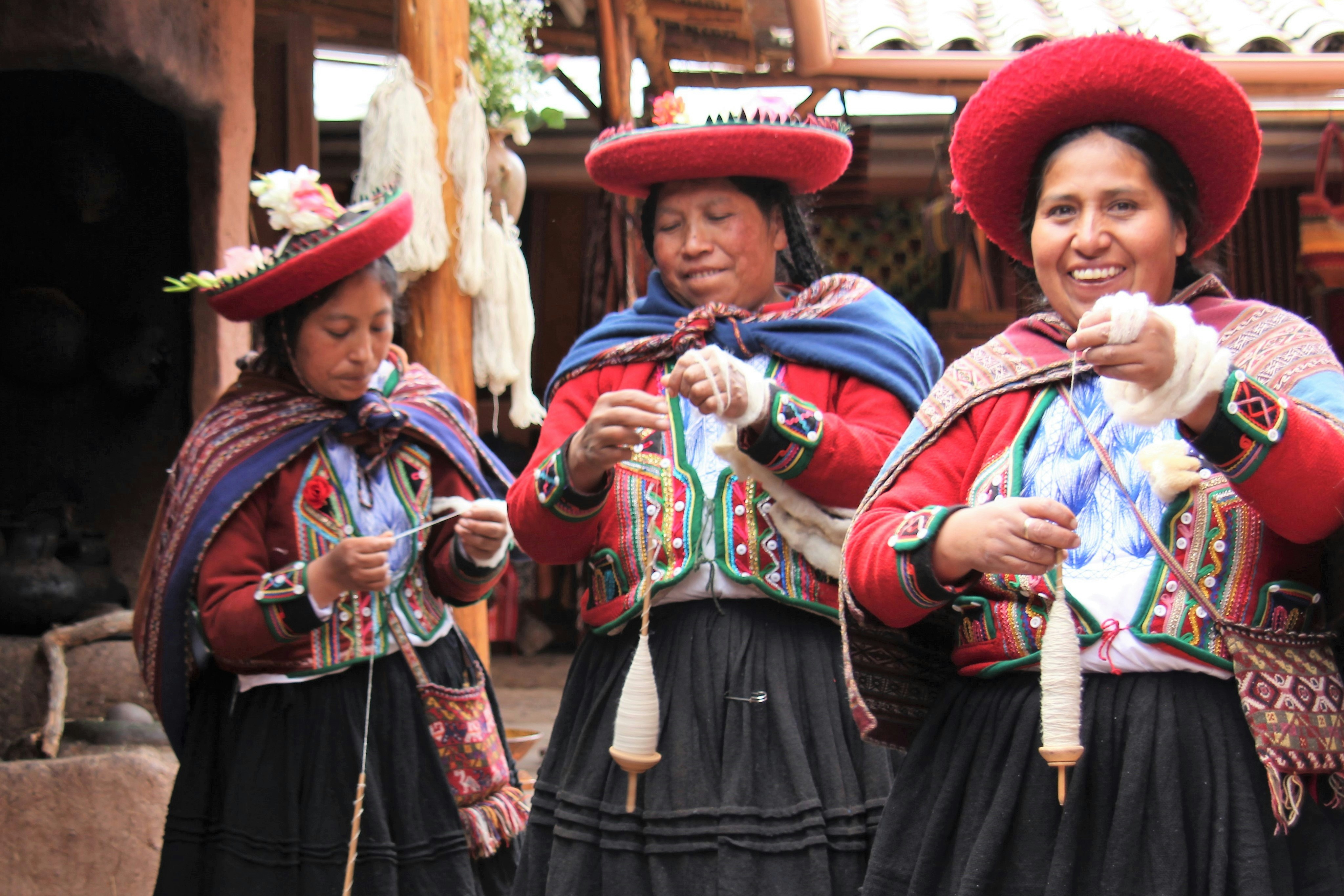
Potatoes have been a staple food for many of the world’s civilisations, but none have developed as deep an evolutionary bond as the indigenous communities of the Andes Mountains. A recent genetic study has revealed that, thanks to natural selection, indigenous Andean communities in Peru have developed a unique biological ability that allows them to digest potatoes far more efficiently than any other human population on earth.
The Andes Mountains are where the potato plant was first cultivated by humans around 8,000 to 10,000 years ago. Since then, this tuber has been a primary source of calories for local communities to survive in the extreme high-altitude environment.
In the study, led by scientists from various international research institutions, the team analysed genetic data from dozens of individuals from indigenous Andean communities living in high-altitude regions of Peru. They then compared this data with genomes from lowland populations in the surrounding areas.
The results of the analysis showed strong signs of natural selection on a gene called AMY1. This gene is responsible for producing the enzyme salivary amylase, an enzyme in saliva tasked with breaking down starch or complex carbohydrates into simple sugars as food is chewed.
The indigenous Andean communities were found to have a much higher number of copies of the AMY1 gene compared to lowland populations. This high gene copy number means their bodies produce a far greater abundance of the carbohydrate-digesting enzyme.
This genetic adaptation is a direct evolutionary response to a diet heavily reliant on potatoes over thousands of years. In a high-altitude environment with few sources of animal protein or other food crops, the ability to maximally absorb nutrients and calories from potatoes became a critical factor for survival.
"This study shows how adaptation to a specific local diet can leave a very clear mark on the human genome," the research team wrote in their report.
Interestingly, this genetic adaptation complements other unique biological abilities already possessed by Andean communities, such as the efficient use of oxygen in their blood to cope with the thin air at high altitudes. This discovery further reinforces how culture, diet, and environment can collectively guide the path of modern human biological evolution.