
Thailand Appoints International Legal Experts to Resolve Maritime Dispute with Cambodia
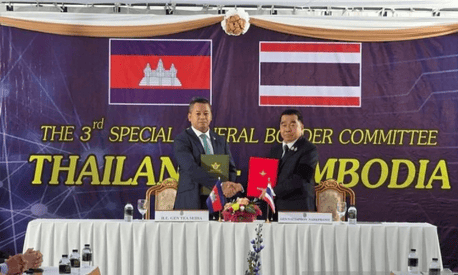
The Thai government has officially appointed two leading international legal experts to represent the country in a United Nations-backed conciliation process to resolve a protracted maritime dispute with Cambodia in the Gulf of Thailand. The Ministry of Foreign Affairs announced on Tuesday (16/6) the appointment of German legal expert Rudiger Wolfrum and South African maritime law specialist Albert Hoffmann. Both will serve as conciliators in the process conducted under the United Nations Convention on the Law of the Sea (UNCLOS). The dispute between Bangkok and Phnom Penh centres on overlapping territorial claims in the Gulf of Thailand. The area is believed to hold substantial reserves of natural gas and oil, making it one of the most economically significant maritime disputes in Southeast Asia. Although the conciliation mechanism does not produce a legally binding ruling, the Thai government has stressed that this step remains separate from issues of sovereignty. Bangkok has expressed its commitment to resolving the dispute through peaceful means and applicable international law. Cambodia has already strengthened its team by appointing Deputy Prime Minister and Minister of Foreign Affairs Prak Sokhonn as its principal representative. Phnom Penh has also selected several international legal experts to safeguard its interests in the process. The newly formed conciliation panel is expected to facilitate negotiations that have been deadlocked for years. The panel will provide recommendations aimed at helping both parties reach a mutually beneficial resolution, particularly concerning the rights to develop natural resources in the area. To date, both nations have continued efforts to manage diplomatic tensions to prevent disruption to regional stability, even though the maritime boundary dispute frequently triggers internal political dynamics in both countries.