
Thai Food Producers Scramble as Indonesia's Halal Rules Tighten
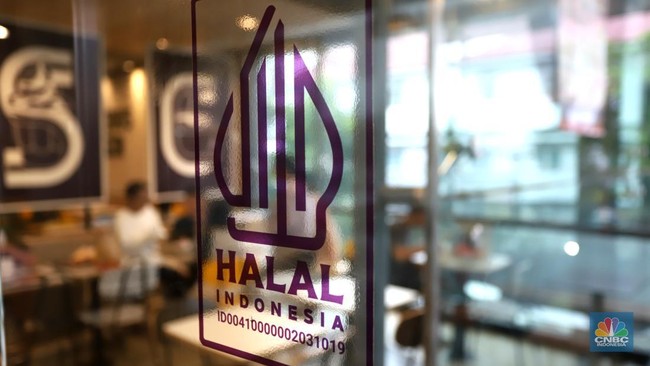
Thai food exporters are being urged to review their products and certification arrangements before 17 October 2026, as Indonesia moves to expand the application of halal provisions for food and beverage products.
According to The Star, the Director-General of the Trade Policy and Strategy Office (TPSO), Nantapong Chiralerspong, under Thailand’s Ministry of Commerce, stated that Indonesia has expanded its halal policy based on the Halal Product Assurance Law (Law No. 33/2014) and regulations administered by the Halal Product Assurance Organising Body (BPJPH).
The TPSO noted that the policy will have different impacts on Thai exporters, depending on the type and processing methods of their products. Indonesia’s rules distinguish between products that must have halal certification and products that qualify for exemption under the Halal Positive List.
According to the TPSO, processed products containing various ingredients or additives generally require halal certification from Indonesia or from a foreign halal certification body recognised by BPJPH before they can be imported. Products that qualify for exemption must be naturally halal, contain no additives during processing, and have evidence showing that their production and supply chains are free from prohibited contamination.
Indonesia is an important export market for Thailand. The value of Thai exports to the country reached US$9.3361 billion, equivalent to 306.529 billion baht, in 2025.
Exports from the agricultural and agro-industrial sectors accounted for US$1.4152 billion or 46.867 billion baht. Key food and beverage export commodities include sugar, cassava products, fruits (fresh, chilled, frozen, and dried), pet food, rice, wheat products, and processed food and beverages.
The rules mean that some products that appear naturally fresh may still require certification, especially if they involve additives or further processing.
Additionally, the TPSO noted that processed or seasoned seafood products containing sauces, spices, or oils, as well as dried fruits with additives or coating layers, are products that require closer attention.
Frozen fruit with additives, dried longan, and fresh fruit coated with wax to maintain freshness may also be categorised as processed products requiring halal certification. Products containing genetically engineered plant ingredients also fall into this category.
Primary agricultural products that are completely unprocessed, including fresh vegetables and fruits without surface coatings, are likely to remain eligible for shipment under the Halal Positive List.
As a result, exporters may face lower certification costs compared to businesses selling products with higher levels of processing. However, the TPSO stated that they still require production systems and supporting documentation demonstrating supply chain transparency.
The TPSO also explained that exporters requiring special preparation include those dealing with seafood handling, dried fruit, wax-coated fruit, ready-to-eat meals, snacks, functional beverages, health foods, and processed agricultural products containing additives. The TPSO stated that compliance planning must cover the entire process, from factory to the Indonesian market.
Thai businesses do not have to handle certification directly in Indonesia. They can use halal certification bodies in Thailand that have been recognised by BPJPH for products destined for the Indonesian market.
The challenges extend beyond the product itself. The TPSO stated that Indonesia is developing halal logistics guidelines covering transport, storage, warehouses, and containers to prevent halal-certified products from being contaminated by non-halal goods during shipment.
Food businesses and logistics service providers therefore need to prepare for requirements covering separate storage areas, cold-chain management, halal status labelling, and traceability throughout the supply chain, the TPSO said.
Nantapong said that competition in the halal food market is now increasingly focused on standards, certification systems, and end-to-end supply chain management, rather than simply production costs. He urged businesses to study trading partners’ rules carefully, assess costs and competitiveness, and develop higher-value food innovations while implementing internationally recognised food safety standards.
He added that Indonesia’s stricter halal requirements could push Thai food producers to raise their standards and potentially strengthen Thailand’s position as a production base and supply source for halal food in the ASEAN region and broader Muslim markets. This is provided that businesses are able to adapt quickly and continue developing products to meet changing global demand.
The period before 17 October is therefore a crucial preparation window for Thai exporters to determine their product categories and ensure readiness of certification and supporting documentation.