
Textile Entrepreneurs Highlight Labour Bill: Do Not Kill Job Creation
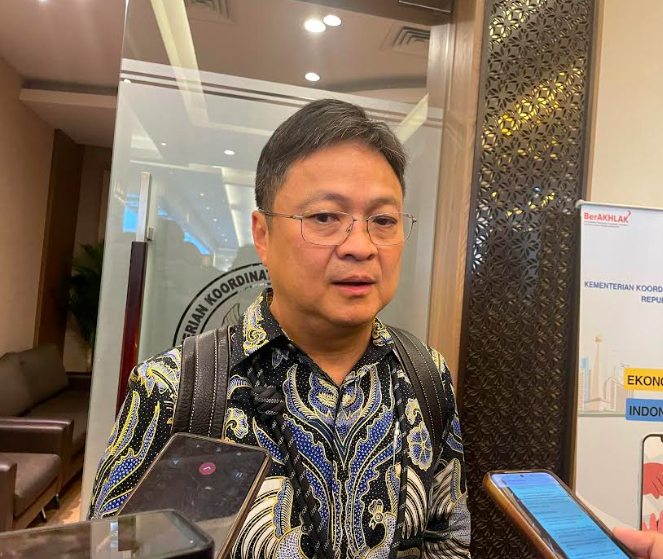
JAKARTA, investortrust.id - The Indonesian Textile Association (API) has issued a reminder that the discussions regarding the Labour Protection Bill should not only focus on protection from one perspective, but must also consider certainty for the business world as the party that invests capital, takes risks, maintains production, and creates jobs.
API maintains that while workers require protection and certainty regarding their rights, entrepreneurs simultaneously need legal certainty, a rational business environment, flexibility to face market changes, and regulations that allow companies to continue investing and recruiting.
The General Chair of the Indonesian Textile Association, Jemmy Kartiwa Sastraatmaja, stated that the orientation of the Bill should not stop at protecting existing employment relationships, but should also create conditions that allow new job opportunities to continue to grow.
“We must not become so focused on protecting existing jobs that we inadvertently make it harder for new jobs to be created. Indonesia needs both: protected workers and entrepreneurs who remain brave enough to open up job opportunities,” Jemlar said in a statement on Monday (5/10/2026).
According to Jemmy, the spirit of the Bill should ideally combine labour protection with the expansion of employment opportunities. Therefore, the measure of regulatory success should not only be seen in the increasing number of protection provisions, but also in whether investment increases, formal employment expands, productivity rises, and companies feel more confident to expand.
“Entrepreneurs are not asking for freedom without rules. What we are asking for is certainty. Regulations must make workers feel safe in their jobs, while simultaneously making entrepreneurs feel safe to invest and recruit,” he added.
Furthermore, the Vice General Chair of API, Ian Syarif, highlighted the regulation of working hours as an issue directly affecting the competitiveness of labour-intensive industries. According to Ian, the design of working hours needs to consider shift patterns, production continuity, and Indonesia’s position in the competition to secure orders and investment.
API has proposed a regular working hour limit of up to 45 hours per week, with room for exceptions or adjustments for specific sectors with unique characteristics. Such arrangements must still be accompanied by certainty regarding rest periods, occupational safety and health, and workers’ rights in accordance with applicable provisions.
“The 45-hour proposal is not intended to reduce workers’ rights. What we are requesting is a working hour arrangement that is more competitive and suited to the industry’s character, while ensuring that rights to rest, safety, and worker protection are maintained,” added Ian.
For industries with shift systems and continuous production, the structure of working hours affects the need for routine overtime, production costs, productivity, and the certainty of fulfilling orders. Therefore, API requests that the issue of working hours be discussed within the framework of competitiveness without reducing the principles of worker protection.
“If the design of working hours makes routine overtime a permanent part of the production structure, costs will rise while competitiveness may decline. This must be calculated objectively, especially for labour-intensive industries competing for global orders,” explained Ian.