
Teungku Nyak Sandang and the Moral Debt of the Republic
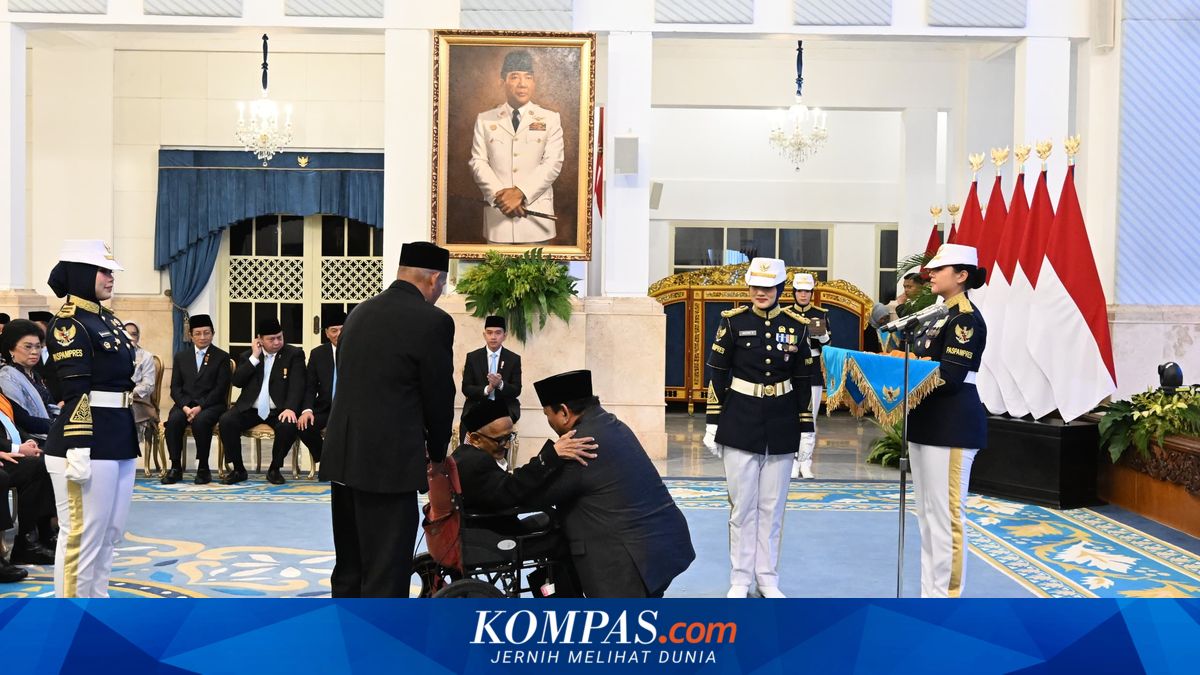
There are names that never truly leave, yet also never fully reside in our consciousness. They live in the interstices of history books, mentioned in passing, then vanishing amid the clamour of grand national narratives. Teungku Nyak Sandang is one such figure. She was no president, no general, nor a leader whose speeches are neatly archived in the annals of power. She was an ordinary citizen from Aceh. Yet it was from such simple hands that this republic once received something extraordinary: unconditional sacrifice. When the republic was still fragile, when international recognition was incomplete, and when the state lacked the strength to stand tall before the world, the need for symbols of sovereignty became urgent. One such symbol was the aeroplane—a tool of mobility and a declaration of existence. In that context, the people of Aceh mobilised. They gathered gold, sold possessions, and surrendered what they had for a republic that had yet to give much in return. We often celebrate independence as a political event shaped by elites and diplomacy. Yet behind it lie silent stories like this—tales of the people who gave without ever demanding remembrance. Seulawah RI-001 was more than just an aeroplane. It was a symbol of a crucial phase in the republic’s history—the phase when the nation stood upon the alms of its people. History records that Seulawah RI-001 was purchased from the collective donations of the Acehnese people, who amassed substantial funds and gold. From there emerged an aircraft that became one of the early milestones in Indonesian aviation and the precursor to the aviation industry we know today. In that grand narrative, Nyak Sandang appears as one of the clearest faces: an ordinary person who gave without calculation. The term “gotong royong” is often uttered lightly by us. But in that era, gotong royong was no mere slogan.