
Terrifying! FAO Reveals Extreme Weather Could Ruin Global Harvests
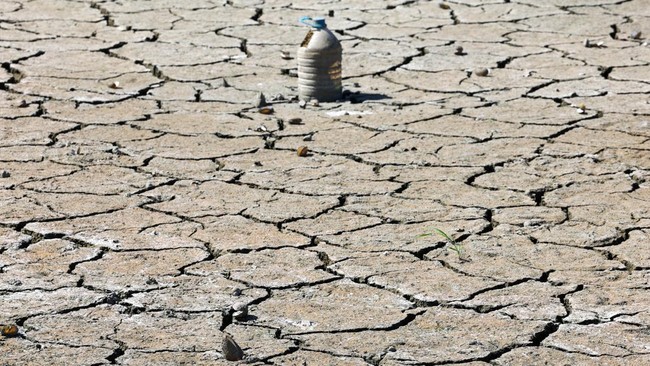
Extreme heat is encroaching on farmlands, livestock pens, fish ponds, and the working hours of farm labourers. Daytime and nighttime temperatures persist far above normal for extended periods, resulting in reduced harvests, stressed livestock, oxygen-deprived fish deaths, and millions of workers losing their ability to labour in the fields.
This warning comes from the latest report by the Food and Agriculture Organisation (FAO) and the World Meteorological Organisation (WMO), titled Extreme Heat and Agriculture, released on 22 April 2026, at a time when global food systems are at the forefront of the heat crisis.
The FAO notes that more than one billion people are currently exposed to extreme heat threats. The impact is directly felt in labour productivity. Approximately 500 billion working hours are lost each year due to temperatures too high for safe work. The agriculture sector bears the heaviest burden, as most of its activities occur in open spaces, under the sun, with limited protection.
In the report, extreme heat is defined as periods when daytime and nighttime temperatures rise above the normal range for long enough to trigger physiological stress and physical damage to crops, livestock, fish, trees, and humans. This is crucial, as damage often occurs when nights are also hot. The human body, animals, and plants lose time to recover.
The frequency, intensity, and duration of heatwaves have sharply increased over the past half-century. As Earth’s average temperature rises, the biological safe space narrows. The FAO states that the intensity of extreme heat could double at 2 degrees Celsius of global warming and quadruple at 3 degrees Celsius, compared to 1.5 degrees Celsius levels.
In the fields, temperatures above 30 degrees Celsius are sufficient to slash yields of many major commodities. Plant cell walls weaken, pollen becomes sterile, toxic oxidative compounds increase, and seed formation processes are disrupted. Potatoes and barley are more vulnerable due to their lower stress thresholds. In practice, farmers observe simple symptoms: plants flower but do not set fruit, leaves wilt quickly, and fruits shrink.
The FAO report provides an example from the Fergana mountains in Kyrgyzstan during spring 2025. The area experienced temperatures of 30.8 degrees Celsius, about 10 degrees above normal for the period. Wheat and fruit crops suffered thermal shock. Evaporation increased, irrigation capacity declined, locust infestations spread, and cereal harvests ultimately dropped by 25%.
In livestock pens, stress begins at temperatures above 25 degrees Celsius for many species. Chickens and pigs are more vulnerable because they do not sweat. When heat arrives, animals seek shade, drink more, eat less, and move only as necessary. If exposure continues, digestive disorders, organ damage, and even cardiovascular shock can occur. In dairy cows, milk production decreases along with fat and protein levels.
In aquatic environments, heat works differently. Warmer water holds less oxygen. Fish must breathe faster to survive. When tolerance thresholds are exceeded, heart failure can occur. The FAO records that 91% of the world’s oceans experienced at least one marine heatwave throughout 2024.
Extreme heat then intersects with other threats. Soil quickly loses moisture, roots lack water, and sudden droughts or flash droughts emerge. Cases like this have been recorded in the United States, Russia, Australia, China, and Brazil. In Brazil from late 2023 to 2024, soybean yields fell by up to 20% when average temperatures persisted around 7 degrees above normal over a long period.
Farm labourers work while lifting loads, walking long distances, and exposed directly to the sun. Risks of dehydration, kidney injury, chronic diseases, and even death increase. According to the FAO, the number of days in a year when the weather is too hot to work could reach 250 days in many regions of South Asia, tropical sub-Saharan Africa, and parts of Central and South America.
Early warning systems are the first way out. Farmers who receive high-temperature information a few days in advance can adjust planting schedules, add mulch, store water, shift irrigation times to morning or evening, and provide shade for vegetable crops. For livestock, feed is given during cooler hours to reduce metabolic heat.
The FAO exemplifies a project in Cambodia that assists around 450,000 farmers through weather stations and mobile apps containing commodity-specific guides. When forecasts exceed 38 degrees Celsius, farmers receive alerts to maintain soil moisture, prepare water reserves, shade crops, and protect harvests from the sun.
Other options include heat- and drought-resistant seeds, switching livestock types to goats or sheep in certain areas, and solar-powered cold storage to prevent rapid spoilage of harvests. The FAO calculates that around 526 million tonnes of global food are lost or wasted due to insufficient cooling. When heatwaves strike, this figure risks growing larger.
Future food resilience will be determined by the speed of today’s adaptation. Fields, orchards, pens, and seas are receiving the first bill from rising temperatures. If responses move slowly, the next bills will appear in markets, with higher food prices, more fragile supplies, and increasingly unpredictable harvest seasons.