
Terrifying Dangers: The Current Size of the Ozone Layer Hole Revealed
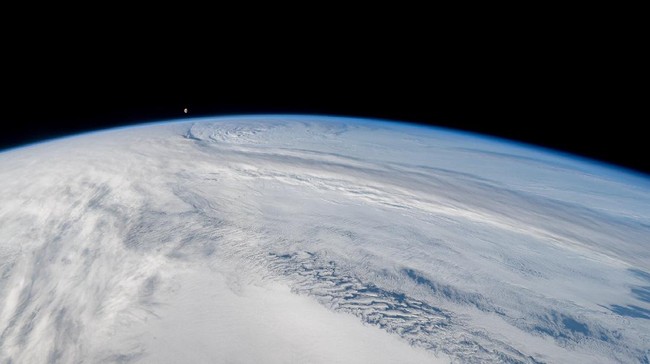
The ozone hole over Antarctica in 2025 has become one of the smallest recorded since 1992. Findings from scientists at NOAA and NASA state that last year, the average size reached 18.71 million square kilometres.
“As predicted, we are seeing the ozone tending to shrink compared to the early 2000s. These holes are forming more slowly this season and breaking up earlier,” said Paul Newman, a scientist from the University of Maryland and part of the NASA ozone research team, as quoted from the official NOAA website.
For context, 1992 was the year the Montreal Protocol was established. This international agreement contains efforts to gradually eliminate ozone-depleting chemicals.
From monitoring results, researchers concluded that recovery is occurring due to the regulation of ozone-depleting chemical compounds. Their levels have continued to decrease since peaking in 2000.
“This hole would be larger than one million square miles if there were still as much chlorine as there was 25 years ago,” said Newman.
The largest area occurred on 9 September 2025, reaching 22.86 million square kilometres. This figure is 30% smaller than the 2006 observation, which reached 26.60 million square kilometres.
Meanwhile, in October 2022, it was reported that the ozone hole in North America had reached 26.4 million square kilometres. At that time, Martyn Chipperfield, an atmospheric scientist from the University of Leeds, revealed that cooling in the region was occurring due to climate change.
“The fact that the stratosphere is showing signs of cooling due to climate change is a cause for concern,” said Martyn.
Meanwhile, high levels of chlorine and bromine chemicals in the atmosphere cause the ozone layer to erode. Cold weather causes clouds to release chemicals into that region.
An expanding ozone hole is extremely dangerous for humans, ranging from increased skin cancer risks and food shortages to damage to crops.