
Termination and resignation: what is the difference in severance entitlements?
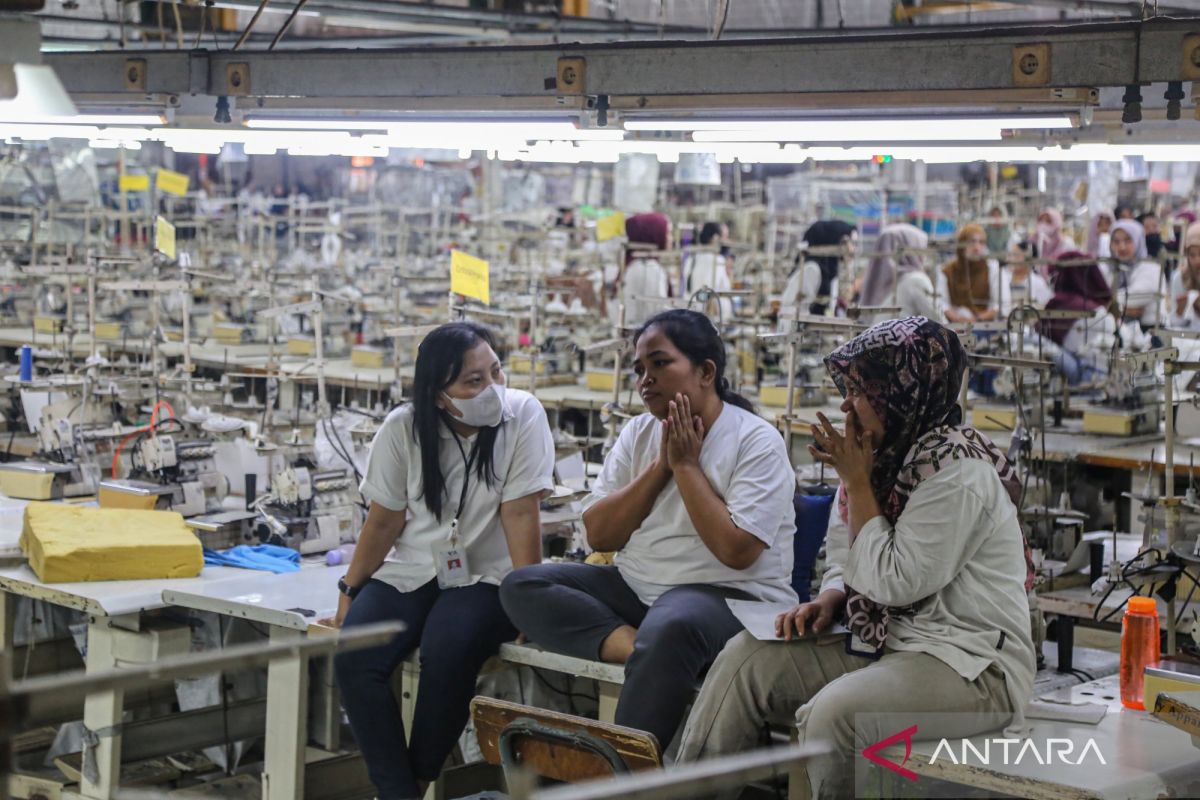
Jakarta (ANTARA) - Workers affected by termination of employment (PHK) and workers who resign both end their employment relationship, but the financial entitlements they receive differ. The provisions are regulated under Government Regulation (PP) Number 35 of 2021.
Under labour regulations, compensation following the end of an employment relationship is not always referred to as severance pay. There are several forms of entitlements a worker may receive, namely severance pay (uang pesangon), long-service pay (UPMK), rights replacement money (UPH), and in certain circumstances separation money (uang pisah).
The reason the employment relationship ends is one of the factors determining a worker’s entitlements.
Workers affected by termination may receive severance pay and/or long-service pay as well as rights replacement money, depending on the reason for termination and applicable provisions.
The basic amount of severance pay is calculated based on length of service. This is stipulated in Article 40 of PP Number 35 of 2021, which sets severance pay ranging from one month’s wages for service of less than one year, up to a maximum of nine months’ wages for service of eight years or more.
However, the amount received by a worker does not always match this base figure. The compensation may differ depending on the reason for termination, as PP Number 35 of 2021 sets different provisions for various grounds for ending employment.
In addition to severance pay, workers who meet the requirements may also receive long-service pay. The amount is calculated based on length of service, ranging from two months’ wages for service of three years or more but less than six years, up to a maximum of 10 months’ wages for service of 24 years or more.
Workers may also receive rights replacement money, which covers certain entitlements in accordance with prevailing laws and regulations.
In case of resignation
Unlike workers affected by termination, workers who resign of their own accord do not automatically receive severance pay and long-service pay.
Article 50 of PP Number 35 of 2021 states that workers who resign voluntarily and meet the requirements are entitled to rights replacement money and separation money. The amount of separation money is regulated in the employment contract, company regulations, or collective labour agreement.
This means workers who choose to resign need to review the employment documents applicable at their company to find out whether there is any provision on separation money and how much it amounts to.
Resignation also carries requirements that must be met. Workers who resign of their own accord must submit a written application no later than 30 days before the resignation start date, must not be bound by a service bond, and must continue to fulfil their obligations until the resignation date.
Therefore, resignation is not the same as termination from the perspective of compensation entitlements. Workers who voluntarily resign generally do not receive severance pay, but may receive rights replacement money and separation money if they meet the requirements.
The difference between termination and resignation
Put simply, the difference between the two lies in which party ends the employment relationship and the types of entitlements received.
Workers affected by termination may receive severance pay, long-service pay, and rights replacement money according to the reason for termination and applicable provisions. Meanwhile, workers who resign of their own accord are entitled to rights replacement money and separation money in accordance with company provisions.
The Ministry of Manpower also provides a simulation tool for end-of-employment compensation that can be used to estimate a worker’s entitlements based on length of service and wages.
It should be noted that calculating end-of-employment entitlements requires more than just looking at length of service. The reason for termination, type of employment relationship, wage components, and the employment contract or company regulations can all affect the amount of compensation.
Accordingly, workers should review their employment documents and the applicable legal basis before signing termination papers or submitting a resignation.