
Terminal 2 Soetta Renovation: Modern Upgrade While Preserving Nostalgic Character
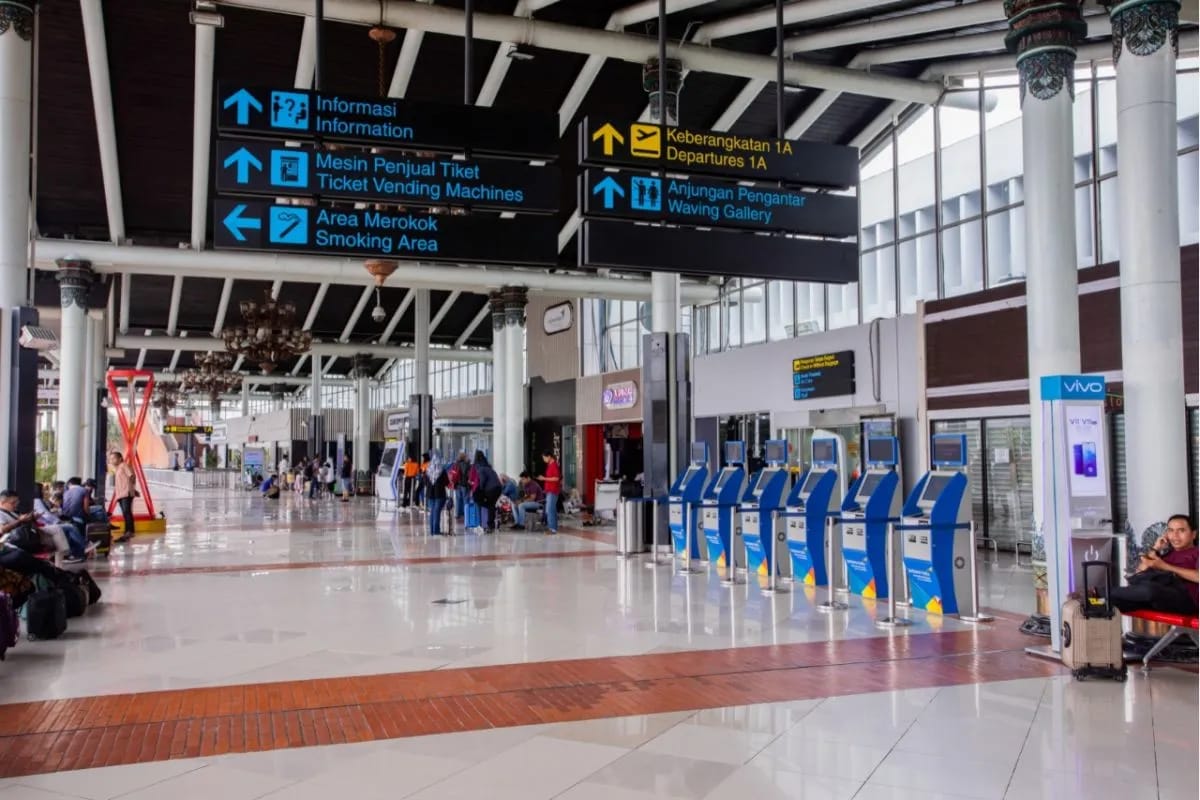
Amidst extensive modernisation of Soekarno-Hatta International Airport (Soetta), Terminal 2 emerges with a renewed appearance whilst retaining the irreplaceable character of years past. The renovation has introduced significant changes, yet for many, Terminal 2 is more than merely a transit building. It represents a space filled with stories—a place of farewells, homecomings, and memories accumulated over decades. The refreshed Terminal 2 face has successfully presented a more modern appearance without losing its original identity.
Wira Nurmansyah, a travel influencer, notes that the airport’s current concept creates a brighter, more open and cleaner atmosphere. “For me personally, this is a significant upgrade because Terminal 2 feels more relevant to passenger needs, both in terms of aesthetics and comfort,” he stated.
According to Benedictus Nathaniel R, an aviation enthusiast, the most noticeable changes lie not in drastic physical appearance but in access policies and spatial management. Previously, internal terminal access operated under stricter security protocols with two checkpoint layers—one at check-in and another before the boarding gate. Now, commercial areas are no longer exclusive to passengers; accompanying persons and visitors can enjoy the same facilities. Retail and food-and-beverage tenants benefit from broader sales potential, passengers feel less restricted, and accompanying persons have comfortable waiting areas.
Meanwhile, Terminal 2F has been designated as a specialised pilgrimage (haji and umrah) terminal. This arrangement creates more orderly passenger flow, particularly during peak seasons, combining physical renovation with functional adjustment for improved operational efficiency. “This new policy and layout naturally benefits everyone: passengers face fewer complications, accompanying persons have new options for browsing in the terminal, and retailers gain additional sales opportunities from serving accompanying persons,” Nathaniel explained.
Beyond design and renovation, Wira highlights improved passenger flow efficiency in Terminal 2. With more spacious facilities, congestion is better distributed. However, he notes that signage is somewhat small and potentially confusing. Eka Prakasa, another aviation enthusiast, describes Terminal 2 as the most human-friendly terminal at Soekarno-Hatta. “The distance from aircraft to baggage claim or from the entrance to departure gates is relatively short—approximately 5-10 minutes walking. It’s not exhausting,” he noted.
Amid global airport trends toward larger and futuristic designs, Terminal 2 offers a more intimate experience. It does not feel intimidating, nor does it require passengers to walk excessively whilst pulling heavy luggage. “Architecturally, it feels distinctly Indonesian compared to Terminal 3, with a cosier atmosphere,” Eka remarked.
In design terms, the renovation makes Terminal 2 feel more modern and sterile than previously. However, owing to structural limitations of the older building, architectural changes are less extreme than newer-generation terminals. This constraint constitutes its appeal.
Compared to the grand and thoroughly contemporary Terminal 3, Terminal 2 retains architectural nuances that feel more distinctly Indonesian. Materials, roof forms, and spatial atmosphere convey a different comfort experience.