
Tensions in the Strait of Hormuz Overshadow US-Iran Follow-up Negotiations
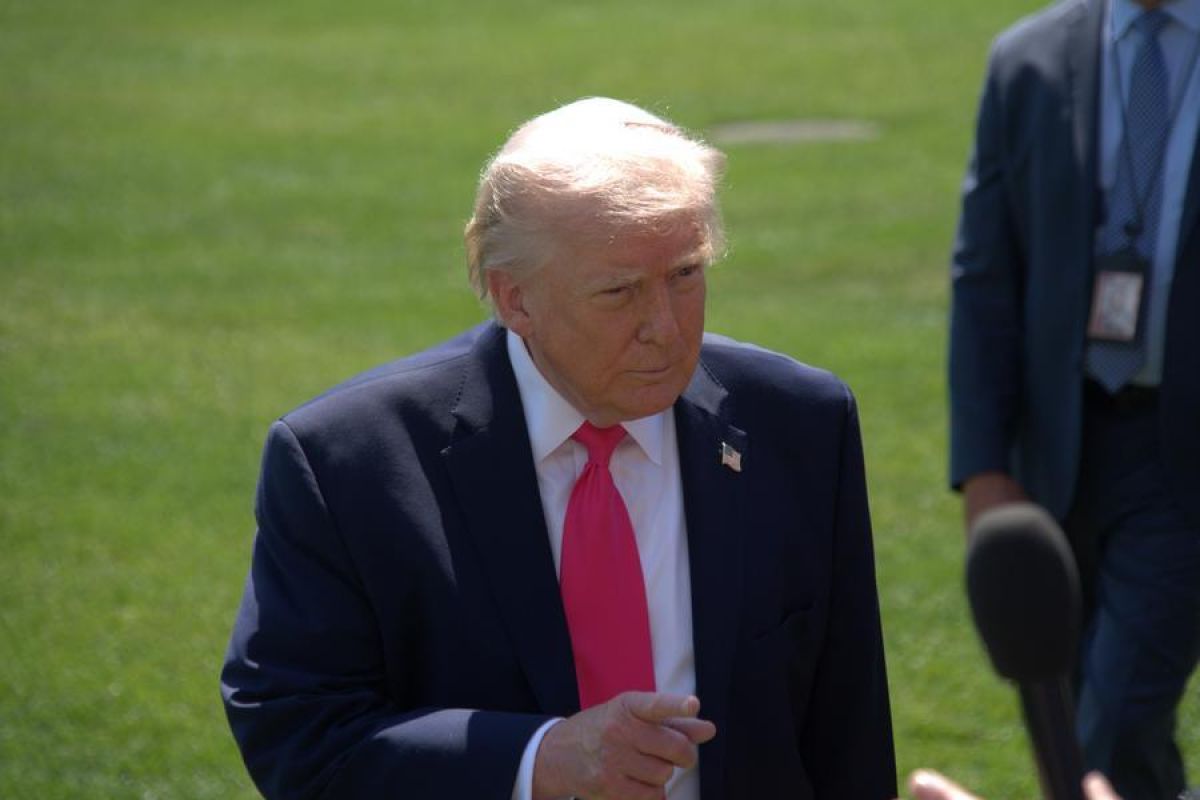
Washington (ANTARA) - Tensions in the Strait of Hormuz are overshadowing the prospects of new negotiations between the United States (US) and Iran as the two-week ceasefire between the two countries ends on Wednesday (22/4) local time.
US President Donald Trump described the extension of the ceasefire as “highly unlikely”.
Trump also predicted that attacks would continue if no agreement is reached between his country and Iran.
The statement comes amid reports that Washington is trying to keep diplomatic channels open. US Vice President JD Vance, who led the first round of face-to-face negotiations, is scheduled to travel to Islamabad on Tuesday for talks, according to Axios, citing US sources.
Signalling conditional openness to engagement, Trump told The Washington Post that he would be willing to meet senior Iranian leaders if there is a breakthrough regarding the situation with Iran.
In a separate interview with Bloomberg, Trump stated that his personal presence in the negotiations might not be necessary.
However, signals from Tehran remain mixed. Axios reported that the Iranian team received the green light from the supreme leader on Monday (20/4) evening local time to engage in negotiations with the US, but officials have not confirmed participation.
Earlier on the same Monday, Iran’s Foreign Ministry spokesman Esmaeil Baghaei said that Iran currently has no plans to hold a second round of negotiations and that US actions show no seriousness in pursuing a diplomatic process.
Iran’s Foreign Minister Seyed Abbas Araghchi, on Monday, described “provocative actions” and “ceasefire violations” by the United States as the main obstacles to continuing peaceful negotiations between the two countries.
Speaking anonymously to The Washington Post, a senior Iranian official said that the tone of Trump’s public statements and the ongoing US blockade are the two most serious issues threatening the negotiations.
He added that although both sides have essentially agreed on the outline of a deal, Trump’s public “maximalism” risks derailing diplomatic progress.
These factors keep tensions high in the Strait of Hormuz, a narrow waterway through which about one-fifth of global oil trade passes.
Iran temporarily reopened the strait after the initial ceasefire but then imposed new restrictions after the US Navy seized an Iranian-flagged cargo ship attempting to break the blockade over the weekend.
The Strait of Hormuz will remain closed until a peace agreement is finalised, Trump said in a phone interview.
“They want me to open it. The Iranian people really want the strait opened. I won’t open it until a deal is signed,” he stated.
Despite the maritime impasse, some signs of domestic normalisation are beginning to appear in Iran. Iran’s Civil Aviation Authority announced on Monday that Tehran’s main airports, Imam Khomeini International Airport and Mehrabad International Airport, have reopened for passenger flights after weeks of closure due to the war, according to Iran’s semi-official Fars news agency.
The initial ceasefire had previously been praised as a rare de-escalation step following more than seven weeks of conflict. The first round of negotiations in Islamabad earlier this month produced no breakthrough, with both sides exchanging public criticisms since then.
Source: jawawa.id (https://jawawa.id/newsitem/tensions-in-the-strait-of-hormuz-overshadow-us-iran-follow-up-negotiations-1776768747)
Originally published by Antara (Indonesian) (https://www.antaranews.com/berita/5535915/ketegangan-di-selat-hormuz-bayangi-perundingan-lanjutan-as-iran), translated from Indonesian