
Tensions Flare: US Launches Retaliatory Strikes Against Iran After Apache Helicopter Shot Down
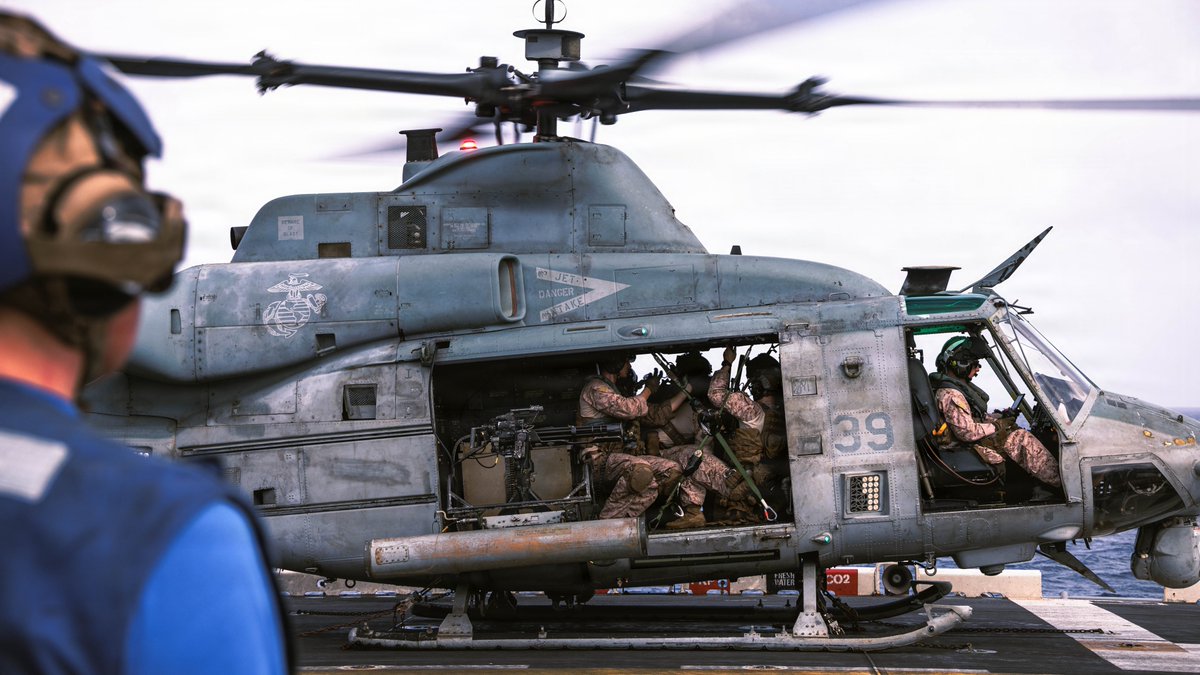
Tensions in the Middle East have reignited after United States forces launched airstrikes against Iran on Tuesday local time. President Donald Trump asserted the action was a retaliatory move after an American military helicopter was shot down by the Islamic Republic a day earlier. In a telephone interview with ABC News, Trump stated the US was responding ‘in a strong way’ to ‘what they did to our helicopter last night’. ‘And I believe the response has to be very strong, very powerful, and that is what this strike means,’ Trump said. US Central Command (CENTCOM) confirmed that American forces began launching defensive strikes against Iran at 5.00 p.m. local time under the direct orders of the Commander-in-Chief. According to CENTCOM, the mission was a proportional response to unwarranted Iranian aggression. Local Iranian media reported the sound of explosions along the country’s southern coast, near the Strait of Hormuz. The retaliatory strikes occurred just hours after Trump claimed that negotiations to end the war in the Middle East were entering the final stages. A fragile ceasefire had been in place since 8 April, but the situation heated up again after Iran and Israel exchanged attacks over the previous weekend. Earlier, the US Army Apache helicopter became the second confirmed manned aircraft Washington has lost to Iranian fire, following the downing of an F-15 fighter jet in April. Two helicopter crew members were rescued in stable condition near the coast of Oman with the assistance of a sea drone. Responding to the situation, Iranian Foreign Minister Abbas Araghchi urged foreign forces to leave the Strait of Hormuz immediately to avoid the risk of being caught in crossfire. ‘The Strait of Hormuz is NOT international waters but a shared possession between Iran and Oman,’ Araghchi stressed. ‘Foreign forces in proximity to our territory face constant risk from their own human error, pure accident, or the potential to be caught in crossfire. To mitigate risk, the best solution is for them to leave. We prefer the language of diplomacy but can speak in other languages as well.’ The widening conflict is having a direct impact on the global economy. Shipping lanes in the Strait of Hormuz, which handles a fifth of the world’s crude oil supply, have suffered severe disruption. Following the news of the latest attacks, West Texas Intermediate (WTI) crude oil prices immediately jumped 1.4 per cent to touch US$89.40 per barrel shortly before Asian markets opened on Wednesday morning.