
Tensions Flare as US and Iran Clash Again Over Strait of Hormuz
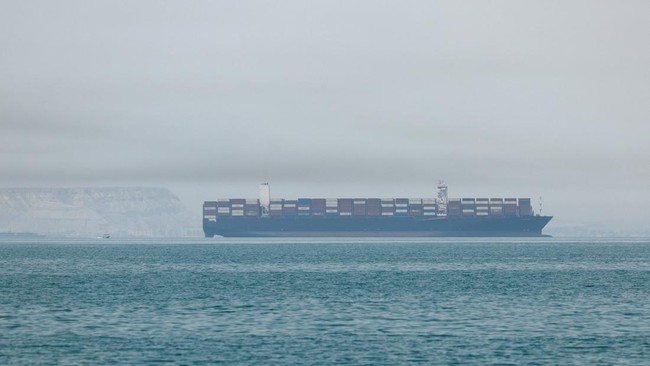
The United States and Iran are once again at odds, this time over Tehran’s plan to charge fees for ships passing through the Strait of Hormuz, one of the world’s most strategic shipping lanes. Washington has stressed that no country has the right to impose tariffs on international waterways, whilst Iran insists it has the right to levy charges for services provided in the area. “This is an international waterway. No nation is allowed to impose a toll or fee on an international waterway. That is the applicable international law,” said US Secretary of State Marco Rubio, adding that all countries in the Gulf region would support Washington’s rejection of such transit charges. Rubio made the statement after arriving in the United Arab Emirates to meet Gulf leaders. He stated that any final agreement between Washington and Tehran must ensure Iran cannot charge vessels transiting the Strait of Hormuz. The US statement came a day after Iran’s chief negotiator, Mohammad Bagher Ghalibaf, asserted that “everyone should know that the management of the Strait of Hormuz will never return to the way it was before the war.” The remark underscored Tehran’s intention to strengthen its control over the shipping lane. Iran had previously postponed the implementation of transit fees for 60 days as part of negotiations with the US in Switzerland. The grace period was granted after both sides agreed on a roadmap towards a final deal, including further technical discussions and the establishment of a high-level committee to oversee the negotiation process. However, Tehran has signalled that the fees could still be imposed if the talks fail to produce results. Meanwhile, Iran and Oman have also agreed to explore a new scheme for managing navigation in the Strait of Hormuz. The two countries will form a joint working group to discuss maritime services, shipping governance, and the possible introduction of fees related to activities in the waterway. The agreement follows a memorandum of understanding signed last week. The document encourages Iran, Oman, and other Gulf coastal states to develop a new mechanism for managing navigation in the Strait of Hormuz, a passage through which roughly 20% of the world’s oil supply transits. Under international law, shipping in the Strait of Hormuz is governed by the transit passage regime established by the 1982 United Nations Convention on the Law of the Sea (UNCLOS), which prohibits coastal states from impeding or suspending the right of international vessel transit. However, Iran has not ratified UNCLOS and adheres to its own domestic laws. This fundamental legal discrepancy means the status of navigation management in the Strait of Hormuz remains a subject of dispute. The uncertainty has placed the shipping industry in a difficult position. Iran is directing foreign vessels to obtain prior permission and to navigate closer to its territorial waters. Conversely, the US, along with some Western insurers, is advising ships to use the Omani side of the strait, which is under US air protection. These conflicting guidelines have left many shipowners confused about which route to take, even though the Strait of Hormuz remains open to international commercial traffic.