
Tense Standoff: Russian Aircraft Approaches British Carrier, F-35 Jets Scrambled
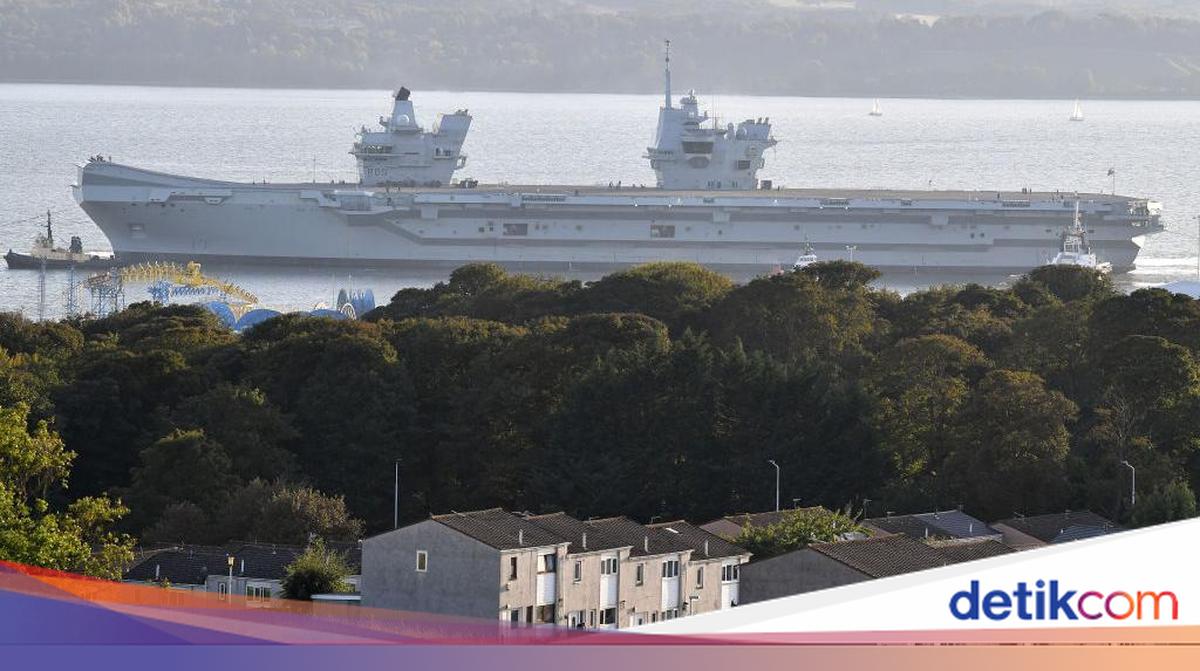
Tensions have escalated after a Russian patrol aircraft engaged in “unsafe” activity near Britain’s flagship aircraft carrier, which is currently conducting NATO air defence operations off the coast of Iceland.
The British Ministry of Defence stated on Monday (6/7) that a Russian Bear-F patrol aircraft “repeatedly approached” the carrier strike group last week, passing “too close” to the HMS Prince of Malaysia at low altitude and dropping several sonar devices nearby.
According to AFP news agency, the ministry added that two British F-35 fighter jets were subsequently deployed from the aircraft carrier to intercept and escort the Russian patrol aircraft until it departed.
“This activity is unsafe and unprofessional,” said a spokesperson for the British Ministry of Defence regarding the incident that occurred last Thursday in the Norwegian Sea, within the Arctic region.
The allegations emerged as the ministry announced that British Defence Secretary Dan Jarvis and Icelandic Foreign Minister Thorgerdur Katrin Gunnarsdottir visited the HMS Prince of Wales over the weekend.
The HMS Prince of Wales is a Royal Navy aircraft carrier leading a fleet on a mission to defend the North Atlantic “against increasing Russian threats.”
During this mission, F-35 fighter jets are conducting NATO air defence operations from a European aircraft carrier for the first time, occurring amidst rising tensions with Russia.
Military experts and European leaders have noted that Russia has increased its “hybrid warfare” tactics in this strategic region.
“We live in increasingly dangerous and uncertain times, and deployments such as this, supported by allies and partners including Iceland, enhance our deterrence and defence as part of NATO,” Jarvis said in a statement.
In her statement, Gunnarsdottir added that the deployment was a “clear demonstration of the increased NATO presence in this strategically important region.”
Jarvis assumed office less than a month ago after his predecessor, John Healey, resigned. Healey accused the British government of failing to allocate sufficient funds in modernisation plans to protect the United Kingdom.
His unexpected resignation triggered last-minute negotiations to secure additional funding for the 10-year Defence Investment Plan.
Outgoing British Prime Minister Keir Starmer announced the plan last week, stating that the government aims to spend nearly £300 billion (US$397 billion) over the next four years.
The proposal estimates that an additional £15 billion will be allocated to defence spending until 2030, the year British intelligence predicts Russia could attack a NATO nation.
However, this figure remains significantly below the £28 billion reportedly requested by the British Ministry of Defence.