
Tenganan Gringsing Cloth in Growing Demand, with Artisans Selling Up to Six Pieces a Day
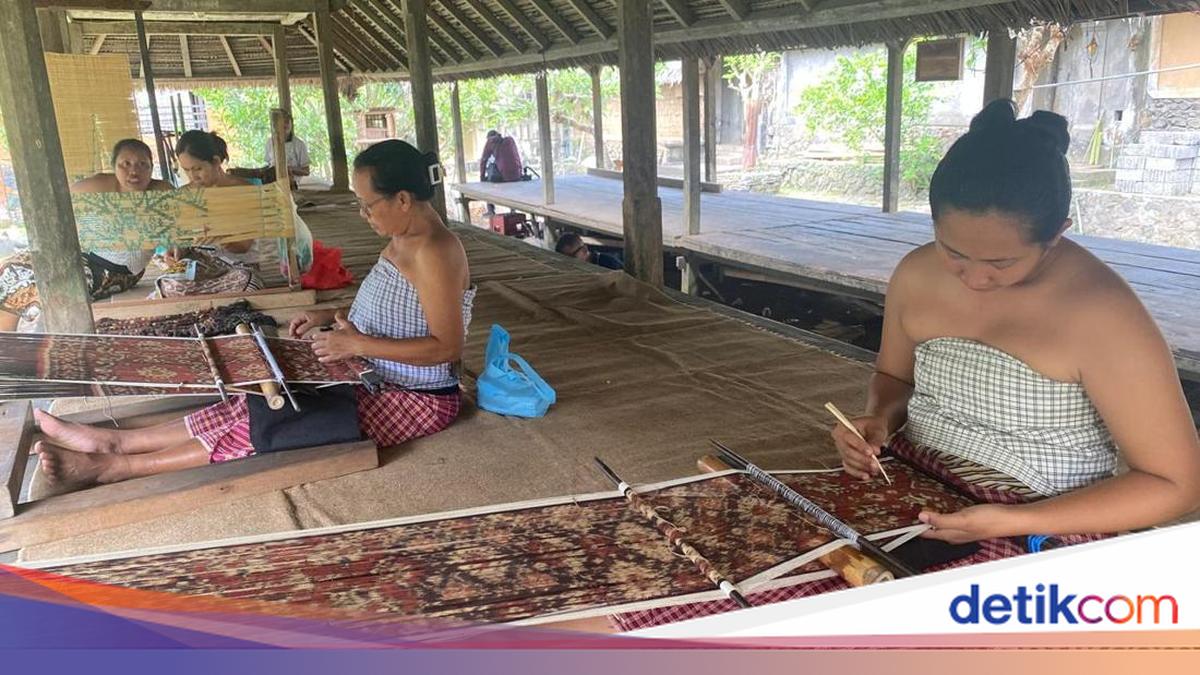
Sales of gringsing woven cloth, a speciality of Tenganan Pegringsingan customary village in Manggis district, Karangasem, Bali, have risen by as much as 100%. Although prices have increased by around 50%, strong demand has left some artisans struggling to fulfil orders.
Gringsing artisan Ni Made Ariani, 60, said the rise in sales had become noticeable as the traditional Tenganan cloth gained wider recognition. Its popularity also grew after it was showcased at the Bali Bangkit exhibition following the COVID-19 pandemic.
“Gringsing cloth sales are rising very rapidly at the moment. Sometimes we have no stock because everything has sold,” Ariani said on Saturday (24 October 2026).
Ariani explained that artisans previously sold an average of just one to three pieces of gringsing cloth a day. Sales can now reach four to six pieces daily. Customers either visit the artisans directly or place orders for specific quantities.
Rising demand has also pushed up prices. According to Ariani, this is due to higher raw-material costs and the labour-intensive process, which involves spinning thread, dyeing, creating patterns and weaving.
“Although there are quite a lot of artisans, production sometimes struggles to keep pace with high demand. The process of making gringsing cloth involves many stages and requires specialised skills,” Ariani said.
Higher output has increased the need for raw materials. Artisans have had to look beyond Bali for some supplies to meet production needs, including sunti tree bark, which is used in dyeing, as well as candlenuts and other materials.
“Because more people are now making gringsing cloth, we even have to buy raw materials in Lombok to meet demand,” Ariani said.
Among the various patterns of Pegringsingan gringsing cloth, the dinding ai design is currently one of the most sought after. Its popularity grew after the artist Mahalini wore it in a pre-wedding photo shoot several years ago. Other designs also retain their own following, particularly among traditional-cloth enthusiasts and collectors.
Prices vary according to a cloth’s size, pattern, quality and age. The smallest size, measuring about 130 by 23 centimetres, costs Rp3.5 million.
A piece measuring 40 by 160 centimetres costs around Rp7 million, while one measuring 160 by 60 centimetres can reach Rp16 million.
Certain designs with particular value, such as Wayang Kebo, can fetch as much as Rp50 million per piece. The design is popular with a range of buyers, including collectors and customary village officials.
“Gringsing cloth prices have risen by around 50 per cent from their previous levels,” Ariani said.
Local customers currently account for most gringsing cloth sales. Many buyers come from areas across Bali, particularly Bangli and Gianyar. Tourists still make purchases, but artisans say they are less active than before.
Weaving gringsing cloth can take a month
Another artisan, Ni Wayan Raka, 50, also said demand for gringsing cloth was currently high. She said she weaves almost every day but sometimes still struggles to meet buyers’ needs.
Raka said the time required to make each piece was one of the main challenges in meeting demand, with production time depending on the cloth’s size.
“Even the smallest size takes a week to finish weaving. Larger pieces can take up to a month,” Raka said.
As a result, stocks sometimes run out because of the number of buyers. This is despite dozens of people in Tenganan Pegringsingan being able to weave gringsing cloth.
“It is good that there are many buyers and the economy is improving, but sometimes we are overwhelmed,” Raka said.
Source: jawawa.id (https://jawawa.id/newsitem/tenganan-gringsing-cloth-in-growing-demand-with-artisans-selling-up-to-six-pieces-a-day-1792842641)
Originally published by detikBali (https://www.detik.com/bali/berita/d-8722382/kain-gringsing-tenganan-makin-diburu-perajin-bisa-jual-6-lembar-sehari), translated from Indonesian