
Tempted by Cheap Braces? UMY Dentist Warns of Risks of Improper Fitting
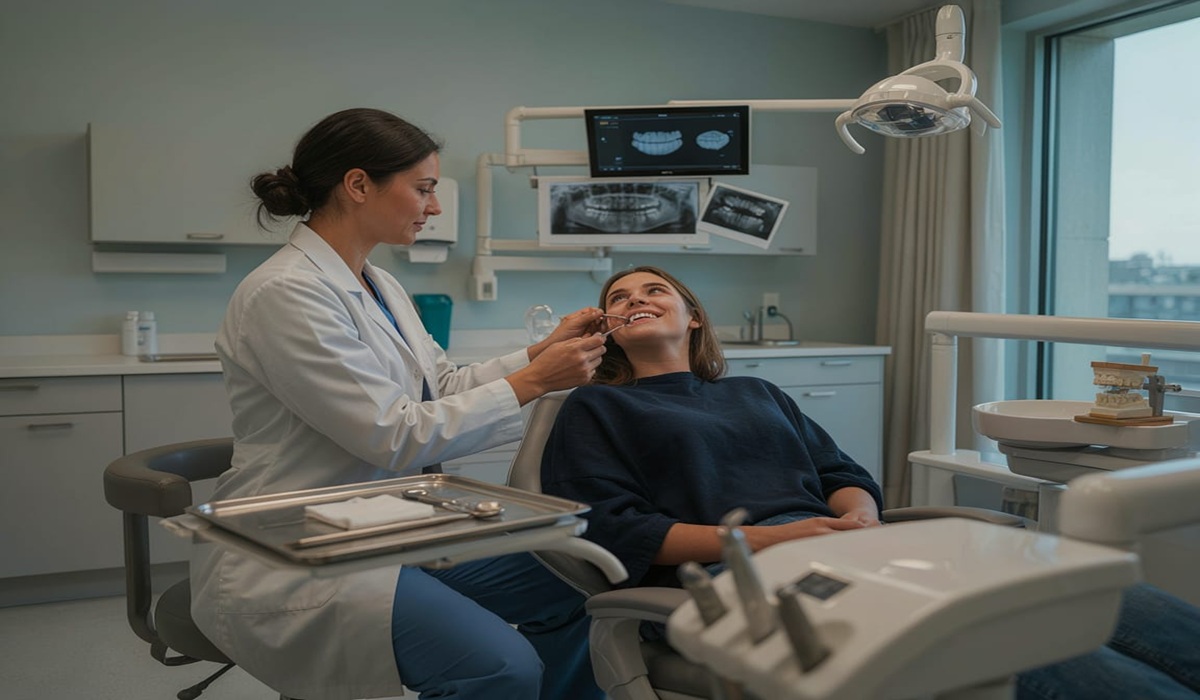
The use of braces or dental wires, aside from helping to correct tooth alignment, is also often regarded as part of one’s appearance. However, the installation of braces at low cost by non-professional practitioners can evidently give rise to a number of risks to dental and oral health. Dental specialist in orthodontics at the Faculty of Dentistry, Universitas Muhammadiyah Yogyakarta (FKG UMY), drg. Puspitarini Nindya Wardana, Sp.Ort., reminded the public not to view braces merely as an accessory or a style statement.
“Braces or dental wires are medical devices, not accessories,” said Puspitarini during a dental and oral health education activity quoted from the official UMY website on Saturday (29/8).
According to her, orthodontic treatment is not simply a matter of fitting wires onto teeth. Before installation, patients need to undergo an examination to determine the condition of the teeth, supporting tissues, jaw relationship, and the individual treatment needs of each patient.
In some cases, she said, supporting examinations such as radiography are necessary to help the doctor establish a diagnosis and formulate a treatment plan. This is because the direction of tooth movement, the type of appliance used, and the magnitude of force cannot be standardised for every patient.
The installation of braces without proper examination and planning, said drg. Puspitarini, carries the risk of causing uncontrolled tooth movement. Inappropriate orthodontic force can also affect the supporting tissues of the teeth and, in certain conditions, is associated with damage to periodontal tissue as well as root resorption.
In addition, the use of appliances that do not meet sterilisation standards can increase the risk of infection. Improper installation can also cause wounds or irritation to the soft tissues inside the mouth.
On that occasion, she also highlighted the phenomenon of cheap braces that are easily found through various platforms at relatively affordable prices. The low cost, coupled with the influence of social media trends, is acknowledged to make some people interested in having braces fitted without considering the proper medical procedures.
Puspitarini reminded the public not to choose brace installation services based solely on price. The cost of treating problems arising from installation that does not follow proper procedures could potentially be greater than undergoing appropriate orthodontic treatment from the outset. Therefore, the public is advised to consult a dentist before deciding to use braces.
In addition to ensuring the need for treatment, an examination is also important to determine the method that suits each patient’s condition. The success of orthodontic treatment does not depend solely on medical personnel. Patients also need to attend regular check-ups, maintain dental and oral hygiene, and follow recommendations throughout the treatment process.
With the prevalence of dental malocclusion reaching 80% in Indonesia, the public’s need for trustworthy orthodontic services is increasingly urgent. Dental malocclusion is not merely an aesthetic matter.