
Tempe One Step Away from Becoming UNESCO World Cultural Heritage
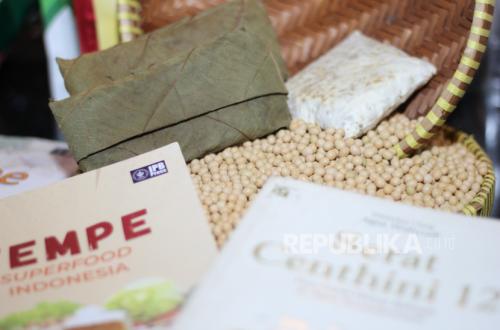
Indonesia is awaiting the designation of Tempe Culture as a UNESCO Intangible Cultural Heritage of Humanity, targeted for the end of 2026. This momentum is a key focus of the 2026 National Tempe Day (Hartempenas) commemorations held throughout June.
Hartempenas 2026 carries the theme “Tempe Goes Global: From Local Wisdom to World Cultural Heritage”. The event is organised by the Indonesian Tempe Forum (FTI), the Association of Nutrition and Food Experts (PERGIZI PANGAN) Indonesia, the Indonesian Food and Beverage Foundation (YAMMI), Sahid University, the Nutritionist Professional Study Programme of the Faculty of Medicine and Nutrition at IPB University, the Ministry of Culture, and various other stakeholders.
A range of activities are being held, including a tempe batik creation competition, an educational video competition, a national digital campaign, webinars, a tempe innovation exhibition, and an international seminar serving as the peak event on 17 June 2026 at Sahid University Jakarta.
This year’s commemoration follows the Indonesian Government’s official submission of Tempe Culture to UNESCO on 29 March 2025 for inclusion in the Representative List of the Intangible Cultural Heritage of Humanity.
The Minister of Culture, represented by Director General of Cultural Diplomacy, Promotion and Cooperation Endah T.D Retnoastuti, stated that the submission process, which has been underway since early 2024, is expected to receive designation by the end of this year.
“Tempe is not just a food product, but also a reflection of Indonesia’s local wisdom in managing resources sustainably, while containing strong mutual cooperation values. The tempe fermentation process is seen as a form of community adaptation to the environment by utilising raw materials and local wisdom,” she said in a press release received on Wednesday (17/6/2026).
Chairman of the Indonesian Tempe Forum, Prof Hardinsyah, said tempe possesses value that transcends food and nutrition aspects, encompassing history, culture, technology, grassroots economy, public health, food security, environmental sustainability, and cultural diplomacy.
According to him, the nomination of Tempe Culture to UNESCO is not only about recognition of a traditional Indonesian food, but also recognition of traditional knowledge, fermentation technology, cultural values, and social practices passed down across generations.
At the peak of the Hartempenas 2026 commemoration, FTI also introduced the idea of forming a Global Tempe Forum as a platform for international collaboration for knowledge exchange, research, innovation, cultural promotion, and the development of a sustainable tempe ecosystem.
“Tempe’s role is not only as a source of food and nutrition and the inheritance of traditional Indonesian wisdom values, but it also has enormous potential to drive economic growth and generate foreign exchange through tempe exports,” said Hardinsyah.
Chairman of PERGIZI PANGAN Indonesia, Prof Ahmad Sulaeman, stated that tempe cannot be viewed solely as a food product, but also as a representation of Indonesian society’s culture, encompassing traditional knowledge, social practices, and cultural inheritance systems.
“Tempe culture reflects that the Indonesian nation had recognised and applied fermentation technology (biotechnology) long before modern biotechnology was known to the world,” he said.
He added that PERGIZI PANGAN has been encouraging the nomination of Tempe Culture to UNESCO since 2014 and continues to promote tempe as part of a balanced nutritious diet and a functional food with health benefits.
Currently, tempe is produced and consumed in various countries across Asia, Europe, North America, and Australia. This development strengthens tempe’s position as a global food product as well as an instrument of Indonesian cultural diplomacy.
Hartempenas 2026 is considered a momentum to strengthen support for UNESCO’s recognition of Tempe Culture while encouraging the preservation of traditions that thrive within society. The international recognition is also expected to expand tempe’s role as an Indonesian cultural identity increasingly known at the global level.