
Telkom Strengthens Digital Infrastructure Security to Combat Cybercrime
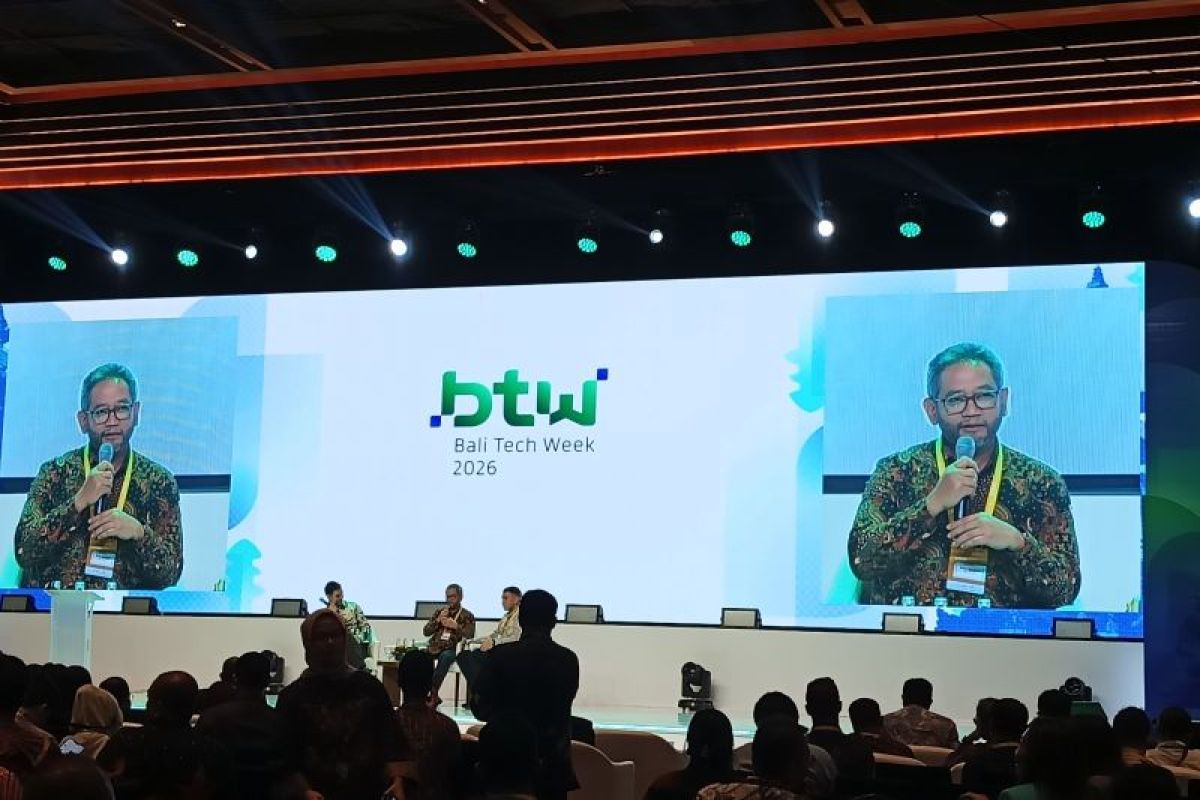
Denpasar (ANTARA) - PT Telkom Indonesia (Persero) Tbk is strengthening the security of its digital infrastructure to anticipate increasingly complex cybercrime threats as the public and businesses become more reliant on connectivity.
Security measures are focused on networks and on protecting data transmitted through digital infrastructure.
Telkom Director of Strategic Business Development & Portfolio Seno Soemadji said in Denpasar, Bali, on Tuesday that connectivity was a fundamental prerequisite for digitalisation, so infrastructure security must be considered from the outset.
“When we talk about digitalisation, the prerequisite is connectivity. So, first of all, we have to ensure that connectivity is secure,” Seno said.
He said Telkom’s role in the digital security ecosystem focused on protecting infrastructure.
In carrying out that role, Telkom co-ordinates with the government, including the Ministry of Communication and Digital Affairs (Komdigi) and the National Cyber and Crypto Agency (BSSN), in line with their respective mandates.
One approach that needs to be strengthened is the implementation of zero-trust network protection.
This approach means that access to networks and digital resources should not be granted solely on the basis of a user’s location or status, but must instead be subject to appropriate verification.
Seno also highlighted the importance of multi-factor authentication (MFA) to strengthen access controls.
An additional layer of verification can help reduce the risk of unauthorised access if a user’s credentials are discovered or stolen by another party.
“Data that passes through or is transmitted must also be secured,” he said.
Beyond technology, Seno said many cyber-security incidents stemmed from human error and weak organisational procedures.
Users who do not understand digital fraud tactics, neglect operating-system updates or click links carelessly can create openings for cybercriminals.
Risks also arise when organisations fail to revoke access promptly for employees who have resigned or third-party vendors whose contracts have ended. Active access can be exploited to enter systems and engage in misuse.
“Most incidents can in fact be prevented through proper procedures and sufficient attention,” Seno said.
For this reason, stronger infrastructure security must be accompanied by disciplined access governance, regular software updates and greater security awareness among all users.
These measures are important to reduce vulnerabilities and maintain the reliability of digital services.
Telkom believes infrastructure security is not merely a technical matter; it also requires consistent procedures and co-ordination among stakeholders. With this approach, connectivity—the foundation of digital transformation—is expected to operate more safely and reliably.