
Telkom Speeds Up Streamlining, Merging Two More Subsidiaries
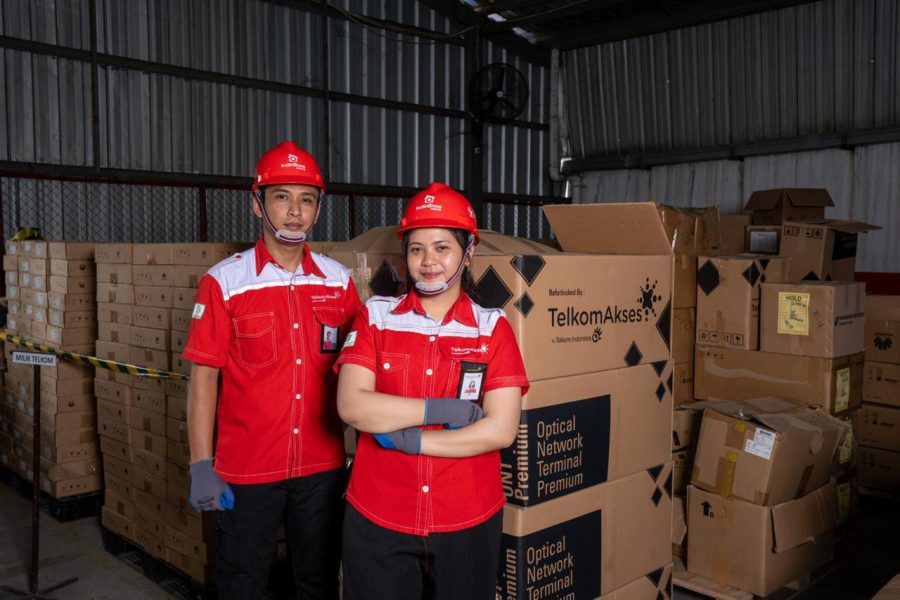
Jakarta — PT Telkom Indonesia (Persero) Tbk, or Telkom, is accelerating the restructuring of its business portfolio through plans to merge two subsidiaries. The move is part of the company’s transformation towards a strategic holding model with a leaner, more focused business structure.
The two planned mergers involve PT Infrastruktur Telekomunikasi Indonesia (Telkominfra) being absorbed into PT Telkom Akses, and PT Nusantara Sukses Investasi (NSI) being absorbed into PT Graha Sarana Duta (GSD). Summaries of the merger plans for both corporate actions have been announced to the public in accordance with applicable regulations.
According to a written statement received by Tutur’s editorial team, the streamlining programme is part of the TLKM 30 strategic initiative and follows directions from shareholder PT Danantara Asset Management (Persero). Of TelkomGroup’s 68 subsidiaries, 50 entities are targeted for restructuring. Work on 28 entities has been completed, while the remaining 22 are expected to be finalised before the end of 2026.
Telkom President Director Nanang Hendarno said each merger had undergone comprehensive assessment, independent due diligence and corporate governance procedures. The moves are expected to deliver measurable added value for the company, its shareholders and all stakeholders.
The merger of Telkominfra into Telkom Akses aims to integrate the management of digital infrastructure. Telkom Akses has focused on fibre networks, while Telkominfra manages non-fibre infrastructure, including core networks, base transceiver stations (BTS), towers, submarine cable communications systems and electricity solutions. The integration will expand Telkom Akses’s service coverage and make it easier for customers to obtain infrastructure services through a single partner.
The merger of NSI into GSD, meanwhile, is intended to simplify the ownership structure of TelkomGroup’s property portfolio. Under the merger, the ownership of NSI’s subsidiaries will be transferred directly to GSD, enabling assets to be managed in a more integrated and efficient manner.
Telkom Director of Strategic Business Development and Portfolio Seno Soemadji said entities were being restructured on the basis of an objective assessment of their contribution to the core business and the creation of corporate value. Telkom will also ensure that the transition takes employees’ rights into account, while the rights and obligations of creditors, customers and business partners will continue through the surviving companies.
Both mergers must still go through the required stages, including approval by each company’s extraordinary general meeting of shareholders and the Ministry of Law of the Republic of Indonesia. Through a simpler structure, Telkom hopes to reduce duplicated functions, improve operational efficiency and clarify the mandates and accountability of each subsidiary.