
Telkom Reports Solid Q1 2026 Performance Through Operational Discipline and Transformation Execution
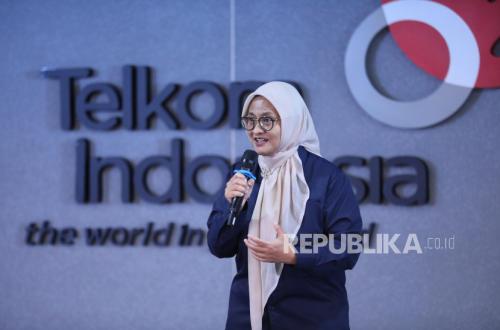
PT Telkom Indonesia (Persero) Tbk (Telkom) has announced solid financial performance for Q1 2026 with progressive growth in several business segments. Amid macroeconomic uncertainties, the results reflect the company’s consistent application of operational discipline while accelerating the execution of its TLKM 30 transformation strategy. For the first three months of 2026, Telkom reported consolidated revenue of Rp 37.2 trillion, a 1.5% year-on-year increase. EBITDA stood at Rp 18.0 trillion with a margin of 48.3%. Net profit amounted to Rp 4.3 trillion with a margin of 11.7%, while adjusted net profit reached Rp 5.1 trillion with a margin of 13.8%. The contraction in net profit was primarily due to the ongoing impact of accelerated depreciation and business normalisation during the transformation phase. However, these pressures are transitional and non-cash, with operational performance remaining fundamentally sound. Operating cash flow grew 3.1% year-on-year to Rp 17.3 trillion, driven by TOTEX efficiency programmes and improved billing discipline. Telkom President Director Dian Siswarini stated that the company will intensify the execution of its TLKM 30 strategy this year to optimise value creation and ensure long-term sustainability. ‘The Q1 2026 performance is a strong start and motivation for the Telkom Group to continue incremental improvements to deliver the best achievements and contributions for the company, customers, society, and the nation,’ she said in a statement on Saturday (30 May 2026). Sustaining Growth in the B2C Market Amid Improving Conditions In the B2C segment (Mobile and Fixed Broadband), Telkomsel reported consolidated revenue of Rp 27.6 trillion, a 1.3% year-on-year increase, driven by digital business income. Data payload grew 2.3% year-on-year, supported by disciplined and sustainable network quality improvements and expansion investments. Strategies including price discipline, product simplification, and enhanced customer experience drove ARPU growth to Rp 45,100, a 6.4% year-on-year increase. This reflects healthier market improvements and a more stable, rational industry environment. Telkomsel will continue focusing on maintaining ARPU through customer productivity enhancements and innovative digital lifestyle services aligned with societal needs. Dian added that the telecommunications industry remains promising as connectivity and internet have become essential societal needs. Over recent years, Telkom has observed consistent growth in internet service demand without signs of decline. ‘We are confident in strengthening the mobile and fixed broadband ecosystem sustainably while prioritising customer experience,’ she said. Transformation Drives Growth in B2B Infrastructure Segment The B2B Infrastructure segment posted positive performance with revenue of Rp 2.4 trillion, a 6.8% year-on-year increase, driven by sustained expansion of the Fiber-to-the-Tower (FTTT) business. In the telecommunications tower and FTTT business led by Mitratel, revenue reached Rp 2.3 trillion, up 1.4% year-on-year, with Tower Leasing and Tower-Related Business remaining key contributors to revenue stability. Thanks to cost management efficiency and strong business fundamentals, Mitratel maintained an EBITDA margin of 82.7%. To remain a leading telecommunications tower provider in Southeast Asia, Mitratel is strengthening its fibre optic asset portfolio strategy. During Q1, Mitratel expanded its fibre optic network by 1,080 km, bringing total ownership to 58,279 km. This sustained expansion strategy has driven strong FTTT business growth and enhanced Mitratel’s capabilities as an integrated Next-Gen Tower Company. In the data centre business, revenue comes from NeutraDC Group’s data centre and colocation facilities, as well as NeuCentrIX edge data centres currently under Telkom’s operational control. Data centres are a key digital platform with rising demand as digital industry activities expand. Given this potential, consolidation initiatives are a strategic step to have NeutraDC manage all data centre assets more focally. This approach will open opportunities for service expansion, asset monetisation, and business growth through strategic partnerships. In the Wholesale & International Service unit, revenue reached Rp 2.8 trillion, with a 18.9% quarter-on-quarter growth in interconnection services driven by increased international wholesale voice business activity. In the B2B ICT segment, the company reported revenue of Rp 3.1 trillion. Amid ongoing restructuring, business activity has stabilised due to a more disciplined and selective approach to new partnership opportunities. Although causing short-term slowdown, the restructuring is part of efforts to improve healthier margins, eliminate product overlap, and strengthen competitive positioning in the long term. Transformation Execution on Track with Strategic Priorities Telkom’s positive B2C and B2B Infrastructure segment achievements this period are attributed to successful transformation and accelerated execution of the TLKM 30 strategy. Capital expenditure reached Rp 4.9 trillion, representing 13.2% of the annual target.