
Telkom prepares modular network to meet surging AI infrastructure demand
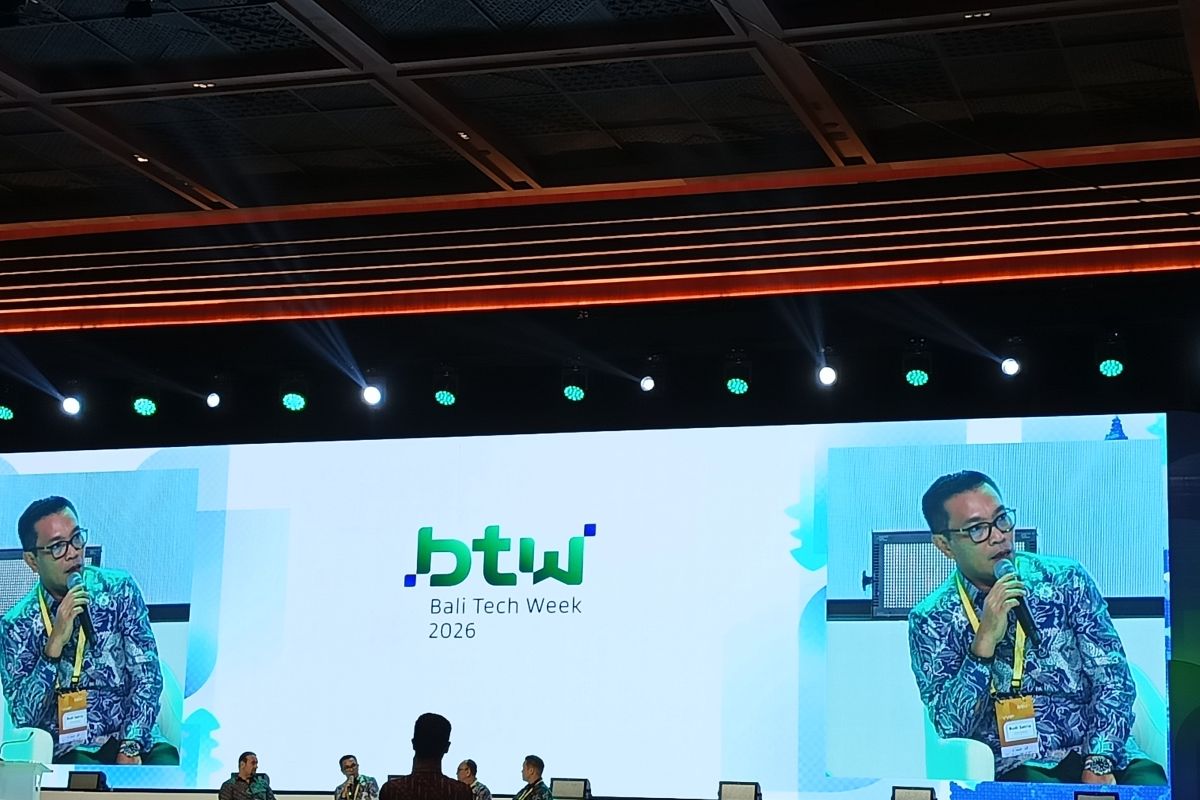
Denpasar (ANTARA) — PT Telkom Indonesia is preparing to develop a more modular and flexible network to meet surging demand for artificial intelligence (AI) infrastructure.
Speaking at Bali Tech Week in Sanur, Denpasar, Bali, on Tuesday, Telkom Network Director Budi Satria Dharma Purba said network consumption patterns in the AI era differed from previous connectivity needs.
Whereas data traffic was once relatively easy to predict because it was focused on content distribution, network demand is now increasingly dynamic and distributed.
“Network architecture needs to be more modular than before and easier to scale up,” Budi said.
He said AI development was driving demand for direct connectivity between data centres.
When data-centre facilities are built near energy sources, operators must also ensure there is sufficient fibre-optic infrastructure to connect those areas with other data-exchange hubs.
Telkom is also strengthening international connectivity to support AI training that uses global computing resources.
The company is developing around 12 international submarine cable projects intended to create AI connectivity corridors across various regions.
The network is designed to connect Indonesia more directly with the Middle East, Europe, North Asia and the United States.
Connectivity to China, Hong Kong, Japan and South Korea is also part of the development of an intra-Asia network.
Budi said the direct routes were expected to reduce reliance on connectivity patterns that have largely passed through Singapore.
The infrastructure is also being prepared to accommodate the continued growth of AI data traffic.
Alongside its modular network, Telkom is developing a network-as-a-service model to provide flexibility in deploying and scaling network capacity.
The company is also preparing to develop an autonomous network to support the management of increasingly complex infrastructure.
The measures are intended to allow the network to adapt to changes in computing locations, capacity requirements and AI technology, including the use of GPUs installed directly at customers’ facilities.