
Telkom Hosts National Workshop to Strengthen Post-Quantum Cryptography Readiness
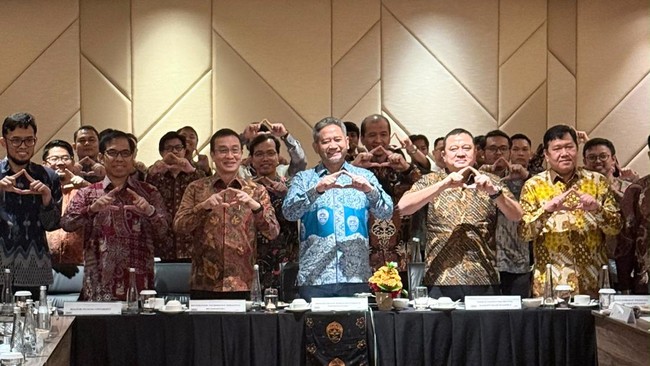
PT Telkom Indonesia (Persero) Tbk (TLKM) has held a Post-Quantum Cryptography (PQC) Workshop as a national collaboration forum in Malang, East Java. This initiative responds to the rapid development of quantum computing technology, which is expected to bring new implications for future cybersecurity. The initiative serves as a bridge for government, industry, and academic stakeholders to encourage Indonesia’s readiness to face future digital security challenges. As quantum computer technology advances, various countries are beginning to prepare anticipatory steps to address new challenges in the cybersecurity field. Although current quantum computers are not yet capable of threatening widely used cryptographic systems, in the future, this technology could potentially reduce the security level of public key cryptographic algorithms, such as RSA and Elliptic Curve Cryptography (ECC), which form the foundation of various digital services, from digital identities and electronic certificates to secure transactions and communications. Therefore, the transition towards Post-Quantum Cryptography (PQC) is a strategic step to ensure the long-term security of digital infrastructure. The workshop also served as a platform to build a shared understanding of the importance of preparing for the transition to cryptographic technology designed to face potential threats arising from quantum computing developments. Through this forum, stakeholders discussed challenges, opportunities, and strategic steps towards a more secure, resilient, and competitive digital ecosystem in Indonesia. Director General of Digital Ecosystem at the Ministry of Communication and Digital, Edwin Hidayat Abdullah, stressed the importance of enhancing understanding of PQC, particularly among regulators and industry players. He noted that the challenge is not only developing the technology but also translating academic concepts into policies, standards, and implementations that can be widely adopted. From a national cybersecurity perspective, Giyanto Awan Sularso, Director of Cybersecurity and Cryptography Technology Policy at the National Cyber and Crypto Agency (BSSN), affirmed that readiness to face potential threats to cryptographic systems in the quantum computing era must be carried out in stages through mapping current cryptographic usage, risk assessment, and developing a migration roadmap towards quantum-resistant systems. He stated that BSSN has prepared a migration framework towards PQC to be implemented gradually, starting from cryptographic asset inventory, risk assessment, priority setting, migration planning, execution, to monitoring and evaluation. This approach aims to ensure that the migration process across ministries, agencies, state-owned enterprises, and strategic sectors is carried out in a measured, secure manner, and aligned with the development of national and international standards. Meanwhile, Telkom’s Director of Strategic Business Development & Portfolio, Seno Soemadji, said that digital transformation must always go hand in hand with digital security transformation. According to him, the higher the level of digitalisation, the greater the need to build a security foundation capable of anticipating future threats. ‘Post-Quantum Cryptography is not merely a technology issue, but part of national readiness to maintain trust in Indonesia’s digital ecosystem. Therefore, Telkom is holding this workshop to build cross-ecosystem collaboration so that the government, state-owned enterprises, industry, academia, and all stakeholders can begin preparing joint steps from now,’ Seno stated. He added that readiness to face the quantum era cannot be done partially. Strong synergy is needed in building standards, talent, research, and implementation so that Indonesia has increasingly independent capabilities in safeguarding national data and digital infrastructure security. In addition to discussing the development of quantum computing technology and PQC implementation, the workshop sessions featured various research results and implementation demonstrations from academics and industry players. Discussions covered the development of Quantum-Safe QRIS, simulations of quantum computing applications, and the implementation of hybrid cryptography for digital identities, electronic certificates, and secure communications. The forum also produced several recommendations to strengthen the national ecosystem’s readiness, including the formulation of a national roadmap for the transition to PQC, identification of priority use cases for initial implementation, development of pilot projects, and strengthening research collaboration and talent development. Several areas viewed as potential for initial implementation include the protection of digital communications, financial services, digital identity, cloud, cybersecurity, Public Key Infrastructure, Hardware Security Module (HSM), as well as public service systems and strategic digital infrastructure. As a form of commitment to strengthening the national digital ecosystem, Telkom continues to orchestrate cross-sector collaboration to build Indonesia’s digital security foundation. Through this synergy, Telkom encourages the realisation of a digital ecosystem that is increasingly resilient, trusted, and ready to face digital security challenges in the quantum computing era to support sustainable national digital transformation.