
Telkom Brings Numeracy Learning to 100 Schools in Indonesia’s 3T Regions
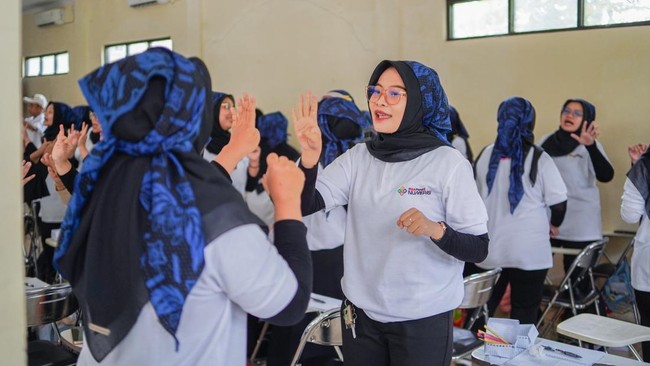
Jakarta, CNBC Indonesia — PT Telkom Indonesia (Persero) Tbk (Telkom), through its Social and Environmental Responsibility (TJSL) programme, has introduced BISA PandAI Numeracy to strengthen mathematics and Science, Technology, Engineering and Mathematics (STEM) learning in 100 primary schools in disadvantaged, frontier and outermost (3T) regions. The programme reaches Lebak Regency in Banten, North Lombok Regency in West Nusa Tenggara, and Tual City in Maluku. It provides teacher development, learning equipment and support for interactive, practical teaching methods.
According to the 2025 Indonesia Education Report, the proportion of primary-school pupils reaching the minimum numeracy competency rose from 39.04% in 2022 to 52.48% in 2024. Although this marks progress, the figures underline the need for sustained efforts to strengthen numeracy as a foundation for pupils’ logical thinking and problem-solving skills.
BISA PandAI Numeracy is part of TelkomGroup’s TJSL programme, under the Bersama Jadi BISA umbrella. The initiative combines teacher training and mentoring, numeracy and STEM learning resources, and classroom activities that help pupils understand mathematical concepts through hands-on experience.
The approach is expected to increase pupils’ interest in mathematics and science while developing critical thinking, creativity and problem-solving skills from an early age. The programme was launched at a hybrid kick-off event based at Plasa Telkom Rangkasbitung in Banten, with educators in Tual City and North Lombok Regency joining online.
Telkom Human Capital Management Director Willy Saelan said strengthening numeracy and STEM was an important part of preparing young people to adapt to technological developments and future needs.
“As a digital company, Telkom Indonesia is committed to providing solutions that have a tangible impact on improving the quality of education in Indonesia. Through BISA PandAI Numeracy, we are not only supporting the provision of learning resources, but also strengthening teachers’ capacity and encouraging interactive, practical learning. We believe that strengthening numeracy from an early age is a vital foundation for Indonesian children to think critically, solve problems and develop their potential in facing the digital future,” Willy said in an official statement on Wednesday (21 October 2026).
Prof. Maila Dinia Husni Rahiem, Special Staff to the Minister of Primary and Secondary Education for STEM Development and Teacher Competency, welcomed TelkomGroup’s initiative to combine numeracy and STEM training with mentoring and hands-on classroom practice. She said strengthening teachers’ skills should be accompanied by changes in teaching practice and assessment of pupils’ progress to ensure the programme has a tangible impact.
“I welcome the BISA PandAI programme, which combines numeracy and STEM training with mentoring and hands-on classroom practice. We hope the programme’s success will be measured not only by the number of teachers who take part in training, but also by changes in teaching practice and improvements in pupils’ abilities. May this initiative become a good practice that can be adopted by more schools,” Maila said.
BISA PandAI Numeracy is designed to run for approximately three months. It begins with an introduction to the initiative and 17 days of teacher capacity-building through a Training of Trainers (ToT) programme, followed by two months of classroom implementation. In week 12, STEM Challenge Day will give teachers and pupils an opportunity to showcase learning outcomes and STEM-based projects.
The programme will then continue through Teacher Champion, which encourages teachers to share effective practices and expand the use of innovative teaching methods. To support this work, TelkomGroup is providing participating schools with STEM lab kits so pupils can explore concepts through practical activities and projects relevant to everyday life.
For TelkomGroup, the programme’s success will be measured not only by the number of participating schools and learning resources distributed, but also by the use of those resources, improvements in teacher competency and the development of pupils’ numeracy skills. Support for implementation and impact evaluation is therefore an important part of ensuring the programme’s benefits are sustained.
Through BISA PandAI Numeracy, TelkomGroup is strengthening its contribution to equitable access to quality education, in line with Sustainable Development Goal 4: Quality Education. Guided by the spirit of Bersama Jadi BISA, TelkomGroup says it is committed to education initiatives that meet community needs and create more opportunities for young Indonesians to learn, innovate and grow.
Source: jawawa.id (https://jawawa.id/newsitem/telkom-brings-numeracy-learning-to-100-schools-in-indonesias-3t-regions-1792583461)
Originally published by CNBC Indonesia (https://www.cnbcindonesia.com/tech/20261021174150-37-778343/telkom-hadirkan-pembelajaran-numerasi-untuk-100-sekolah-wilayah-3t), translated from Indonesian