
Telkom Accelerates Subsidiary Streamlining, Targets 19 Companies by End-2026
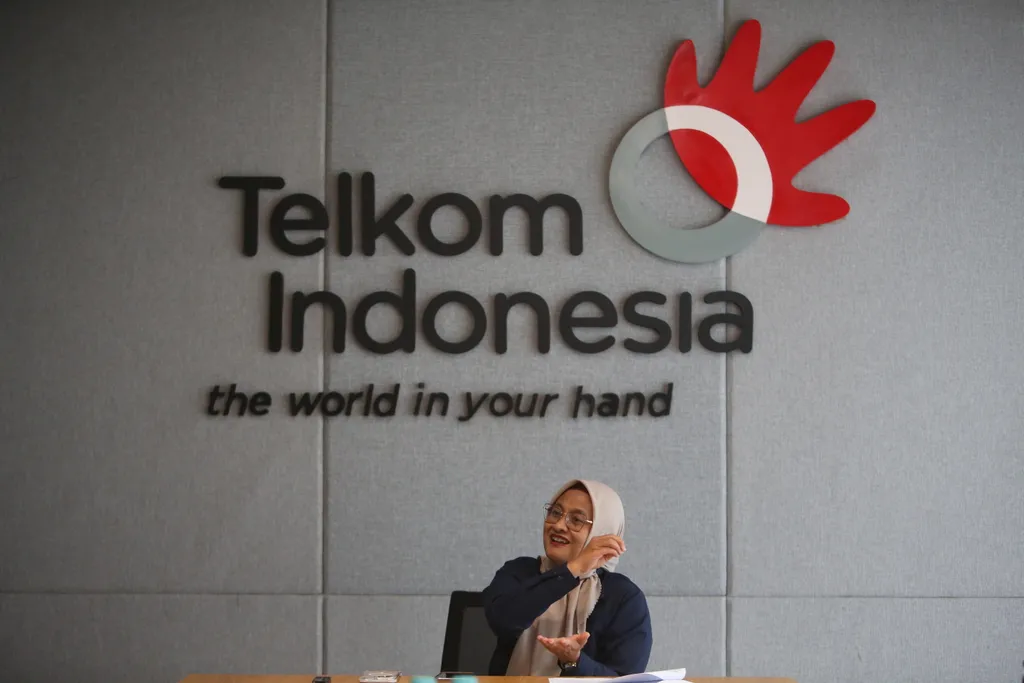
Corporate restructuring within state-owned enterprises must not be used as a means to ‘clean up financial reports’ or erase governance issues.
JAKARTA – PT Telkom Indonesia (Persero) Tbk will retain 19 subsidiaries after streamlining by the end of 2026. The state-owned telecom company is implementing a series of strategies to accelerate the reduction from 67 to 19 companies.
During a meeting with the State-Owned Enterprise Regulatory Body (BP BUMN) and BPI Danantara on Monday (25 May 2026) in Jakarta, Telkom outlined strategic steps to expedite subsidiary streamlining from 67 to 19 by year-end. These include mergers, divestments, liquidations, business consolidations, and the creation of new enterprise holding companies.
Accelerations are evident in the consolidation of FiberCo SOEs, data centre development, TowerCo and InfraCo, as well as Telkom Group’s licensing restructuring.
According to a press release cited on Tuesday (26 May 2026), Monday’s meeting was attended by BP BUMN Chief and Danantara COO Dony Oskaria and Telkom Indonesia’s Director of Strategic Business Development & Portfolio Seno Soemadji.
Dony stated that Telkom Group’s transformation and subsidiary streamlining are crucial for strengthening business focus and enhancing competitiveness amid the rapidly evolving digital industry.
‘Transformation is vital to reinforce business focus and ensure Telkom moves more agilely to meet the needs of the national digital ecosystem,’ he said.
Alongside BPI Danantara, Dony added that they will continue pushing for strengthened governance, asset optimisation, and consolidation within state-owned enterprises, enabling them to drive Indonesia’s economic growth.
Yanuar Rizky, an economist from Bright Institute, contacted on Tuesday (26 May) in Jakarta, warned that BUMN restructuring must not be used to ‘clean up financial reports’ or erase past governance issues.
Reviewing several SOEs’ financial reports, he noted heavy operational burdens, suspecting investment policies sometimes serve specific interests. For instance, new subsidiaries are created for certain projects, then restructured, consolidated, or dissolved.
‘Such patterns ultimately lead to recording and governance issues,’ he said.
Yanuar stressed that Telkom’s current restructuring must not be a ‘financial report whitewashing’ exercise. If used merely for that purpose, new problems may arise post-restructuring.
‘Restructuring should aim to build healthier, more efficient SOE organisations,’ Yanuar said.
Danang Widoyoko, a political economist from Transparency International Indonesia (TII), contacted the same day, noted that the current number of SOEs remains large, complicating oversight.
According to the Audit Board of Indonesia’s audit report on the Ministry of SOEs until end-2024, there are around 65 SOEs, though numbers fluctuate due to mergers and liquidations. Beyond that, layers of subsidiaries and grandchild companies are numerous and often difficult to map clearly.
Such complexity makes SOE management challenging, especially with debt issues, legal disputes, and loss-making subsidiaries.
‘Government policies to streamline SOEs are necessary for effective operations, but the process is not straightforward. Previous government targets for streamlining have not been fully achieved,’ he said.
Danang said Telkom’s subsidiary streamlining must go beyond reducing company numbers. The government must ensure improved organisational and financial governance for credible restructuring.
‘The priority is creating a healthier, transparent, efficient telecom SOE with clear asset and profit and loss statements,’ Danang added.