
Tegal Regent Clarifies HIV/AIDS Data, Strengthens Collaboration for Disease Prevention
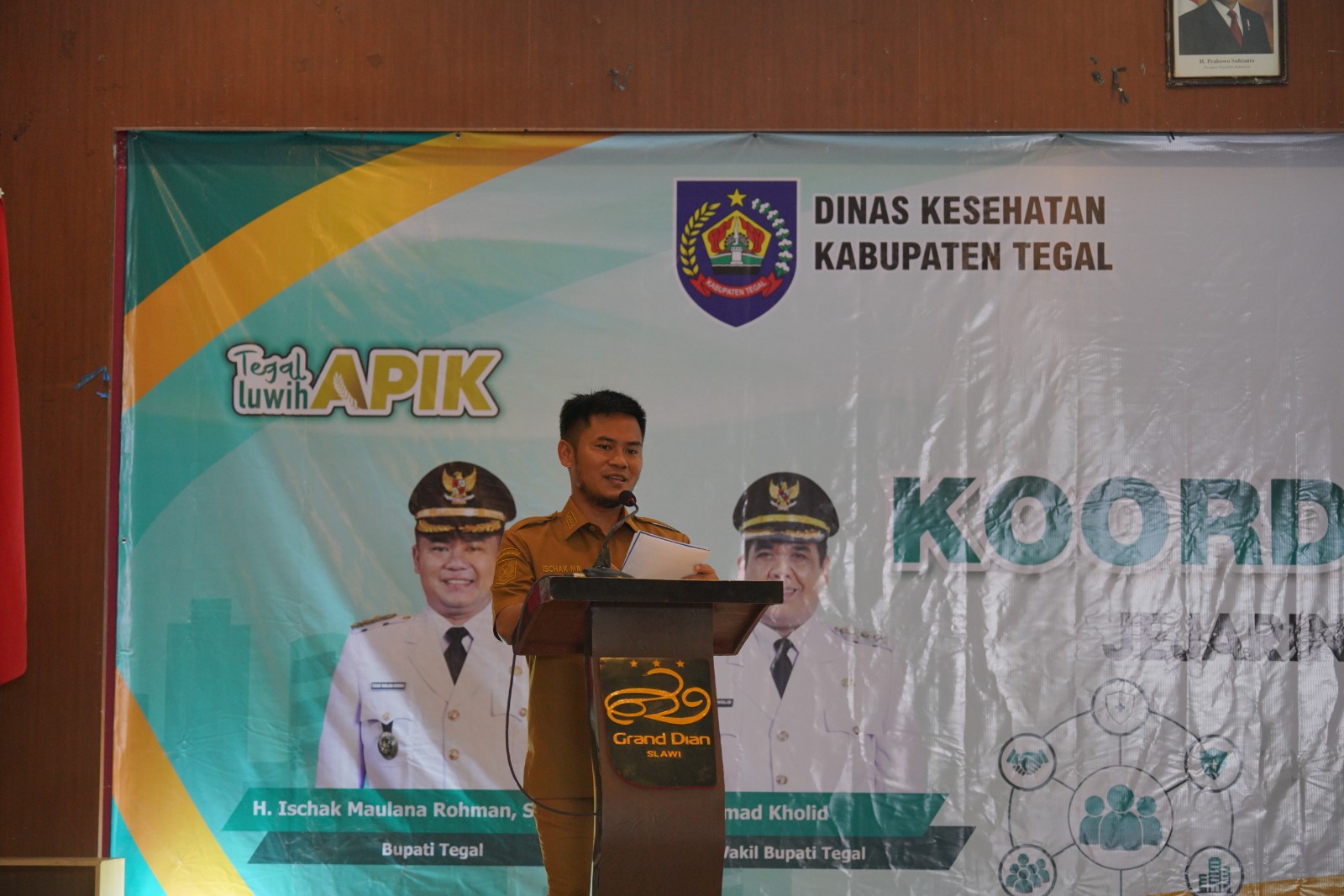
Tegal Regent Ischak Maulana Rohman has clarified that the 1,446 HIV/AIDS cases reported in the regency are cumulative findings from 2010 to 2026, not new cases recorded this year. The clarification was made during a coordination, advocacy, and socialisation meeting on disease prevention and control networks held by the Tegal District Health Office on Tuesday (21/07/2026).
Ischak urged government bodies, health workers, educational institutions, community organisations, the private sector, the media, and the public to strengthen collaboration in disease prevention and control efforts. He stressed that health is a fundamental pillar for realising a progressive and resilient Tegal Regency and is a shared responsibility beyond the health sector alone.
The regent acknowledged that the region continues to face various health challenges, including communicable diseases such as tuberculosis, HIV/AIDS, and vaccine-preventable illnesses, as well as non-communicable diseases like hypertension, diabetes, heart disease, and cancer, which are rising due to changing lifestyles. “We cannot build an advanced and resilient Tegal Regency by focusing solely on infrastructure and education while neglecting the health sector. Health is the primary asset for people to work, earn an income, and improve family welfare,” he said.
Ischak also highlighted the persistently low immunisation coverage in Tegal and urged all stakeholders to evaluate the reasons why some children remain unvaccinated. He called for all health service facilities, including private clinics, to report immunisation activities regularly to ensure comprehensive data recording. To accelerate tuberculosis control, the Tegal Regency Government will strengthen cooperation with the Indonesian Tuberculosis Eradication Association (PPTI), including patient assistance to address economic barriers that may hinder access to treatment.
Beyond communicable diseases, Ischak emphasised the importance of controlling non-communicable diseases through the Healthy Living Community Movement (Germas), regular health check-ups, and education on healthy lifestyles. He added that these efforts must be supported by the provision of safe drinking water, adequate sanitation, waste management, and the adoption of clean and healthy living behaviours.
Head of the Tegal District Health Office, Edy Sucipto, stated that health development requires the involvement of all stakeholders and cannot be carried out by the health sector alone. The coordination meeting was part of efforts to strengthen cross-sector collaboration in supporting health service transformation in Tegal Regency. He noted that by the first half of 2026, several health programme indicators still required reinforcement, including tuberculosis case detection, immunisation coverage, control of non-communicable disease risk factors, environmental health, food safety, and the implementation of the Free Health Check-up Programme.