
Teddy Reveals Prabowo's Diplomatic Data: Rp2,430 Trillion Investment, Indonesia Joins BRICS, and 0% EU Tariffs
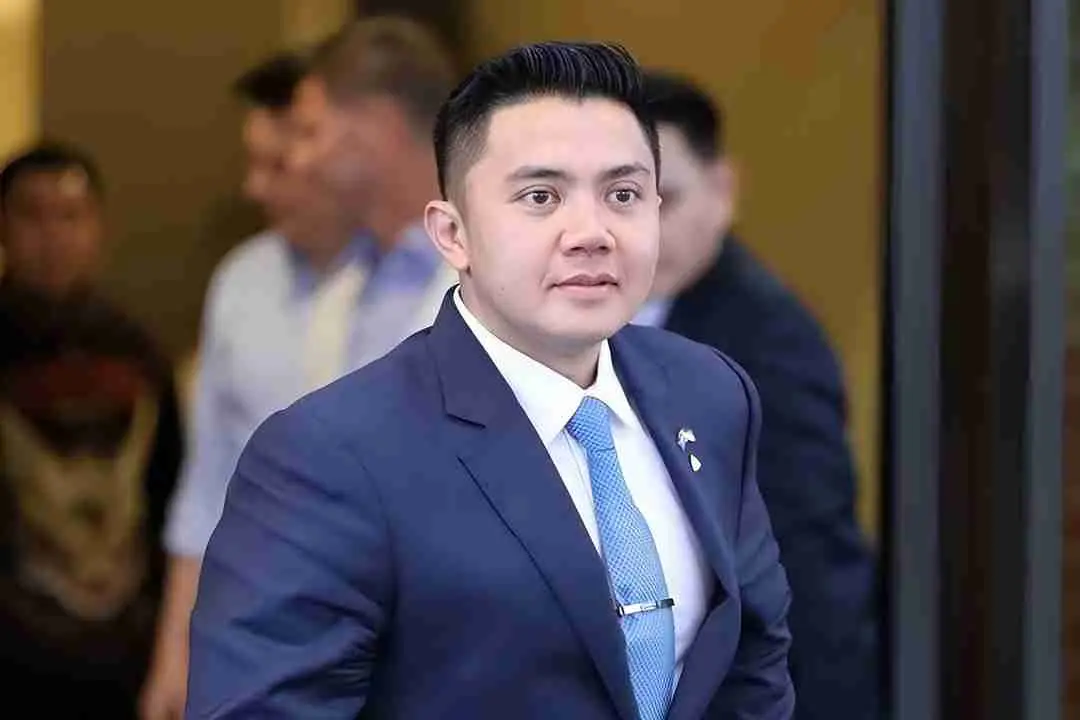
JAKARTA – Cabinet Secretary Teddy Indra Wijaya has provided clarification regarding public criticism and feedback concerning the intensity of President Prabowo Subianto’s overseas visits. According to Teddy, the government is open to criticism, but assessments of the President’s diplomacy should be based on the tangible results achieved for the nation’s interests.
“Criticism and input are important, and the space for it is always open. However, it should not obscure the facts regarding those who are working and struggling to bring Indonesia’s interests to the world stage,” Teddy stated through an official post from the Cabinet Secretariat on Monday (1/6/2026).
In his explanation, Teddy addressed several issues previously highlighted by the public, including those raised by former Deputy Foreign Minister Dino Patti Djalal.
Travel Costs Borne Personally
Teddy emphasised that any excess costs outside the official state budget for the President’s overseas trips are fully covered by Prabowo personally. “Any costs exceeding what has been budgeted by the state are borne directly by President Prabowo,” he asserted.
Delegation Reduced by More Than Half
According to Teddy, the size of the President’s delegation during overseas visits is now far more efficient compared to previous periods. “In the past, the delegation could reach more than 120 people; currently, it is a maximum of only about 50 to 60 people,” he explained.
Diplomacy Must Be Flexible
Regarding criticism over visit schedules that should ideally be arranged well in advance, Teddy noted that the highly dynamic global geopolitical conditions require the government to move swiftly according to necessity. “The world changes from day to day. There are annual agendas, but there are also urgent agendas that must be adjusted to international developments,” he said.
Building Relations Amidst Global Crises
Teddy emphasised that since the beginning of his administration, President Prabowo has faced various global challenges, ranging from the Ukraine conflict to tensions in the Middle East. He noted that personal relationships between world leaders serve as vital capital in modern diplomacy. “We cannot wait to build relationships only when a crisis arrives. Good relations must be established from the start so that when needed, Indonesia has international access and support,” he remarked.
Tangible Results of Prabowo’s Diplomacy
Teddy then outlined several achievements cited as the fruits of President Prabowo’s active diplomacy over the past approximately one and a half years:
Indonesia Officially Joins BRICS: Indonesia’s membership in BRICS is seen as strengthening the national strategic position amidst global uncertainty, while also helping to maintain the stability of energy and food supplies.
Zero-Percent Tariff Agreement with the European Union: Negotiations that had been ongoing for over a decade finally reached a consensus during the Prabowo administration. “The agreement that was fought for over many years was finally resolved in 2025,” said Teddy.
Investment Reaches Rp2,430 Trillion: Based on data from the Investment Coordinating Board (BKPM), total investment into Indonesia in the last 1.5 years reached approximately Rp2,430 trillion. Furthermore, following the President’s visits to Japan and South Korea, Indonesia secured new investment commitments worth approximately Rp575 trillion.
Strengthening National Defence Capabilities: Indonesia now possesses broader defence cooperation with various countries, including France, the United States, Russia, China, the United Kingdom, and several other European nations.
Smoother Hajj Implementation: Teddy mentioned that Indonesia is now the only country to have a dedicated Hajj village area in Saudi Arabia, an achievement resulting from strong diplomatic ties between the two nations.
Active Role for Palestine
Regarding the issue of Palestine, Teddy asserted that Indonesia does not only voice political support but also takes concrete steps. Indonesia has repeatedly channelled humanitarian aid via air routes, sent hospital ships, and provided educational scholarships for Palestinian children in various Indonesian universities.
Diplomacy Successfully Returns Indonesian Citizens from Israel
Teddy also revealed the success of the Ministry of Foreign Affairs’ diplomacy in liberating and returning Indonesian citizens who had been detained by Israeli authorities in international waters. He noted that this success was the result of a combination of open and closed diplomacy conducted by the government.
Focus on Results, Not Ceremony
Concluding his statement, Teddy emphasised that all of President Prabowo’s foreign agendas are determined based on national priorities and mature diplomatic considerations. “The most important thing for the government is concrete results that are felt by the nation and the state. Diplomacy is not merely ceremony; it is about how to deliver real benefits for Indonesia,” he concluded.