
Teachers Shaping a Generation of Indonesia’s Marine Stewards
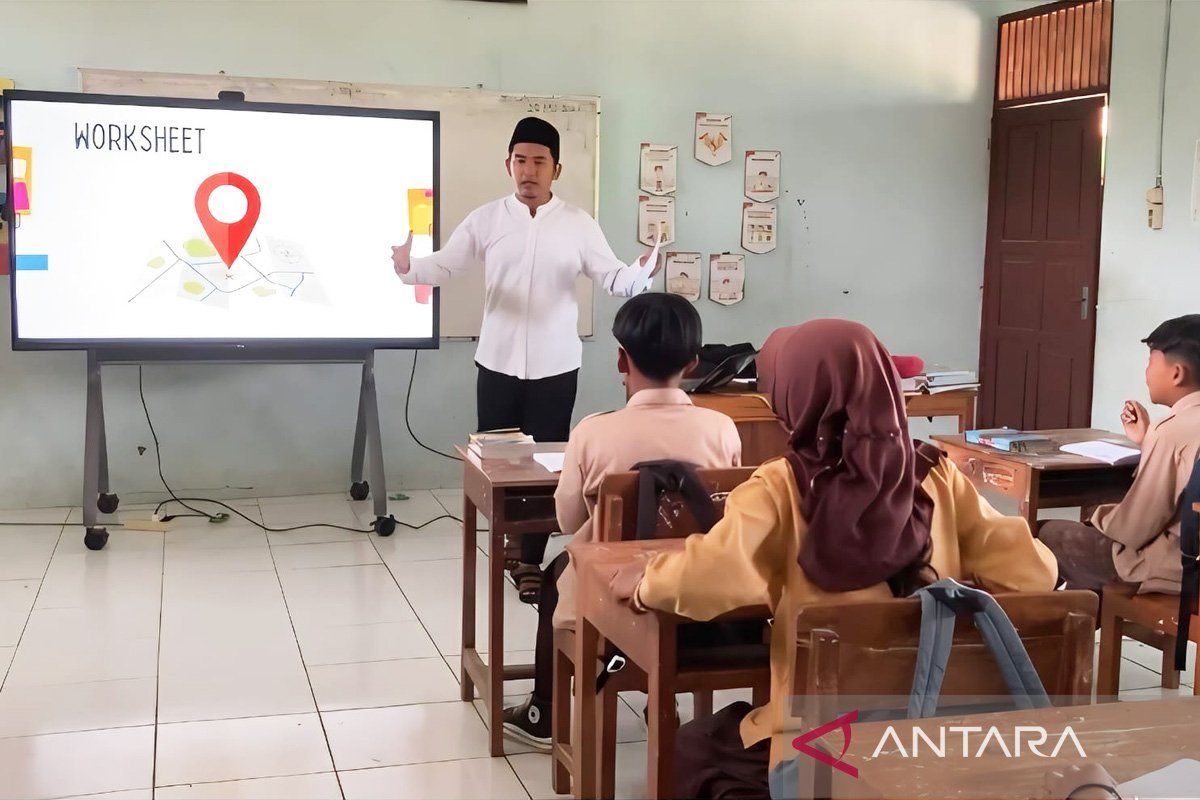
Education must also develop ecological intelligence: the ability to understand the relationship between people and nature.
Jakarta (ANTARA) — National Teachers’ Day, observed every 25 November, is an opportunity to honour educators and reflect on the role of education in shaping the nation’s future.
Amid the country’s many development challenges, Indonesia needs teachers who can not only improve pupils’ academic abilities but also foster strong character, social awareness and environmental responsibility.
One important issue requiring collective attention is the sustainability of Indonesia’s seas.
As an archipelagic country, Indonesia has immense marine wealth. Its waters can provide food, create jobs, support trade and serve as habitats for a wide variety of organisms.
Mangrove ecosystems, seagrass meadows and coral reefs also play a vital role in maintaining environmental balance and supporting the lives of coastal communities.
However, this wealth faces numerous threats, including plastic pollution, habitat destruction, uncontrolled resource exploitation and climate change.
These challenges show that Indonesia’s maritime future cannot rely solely on government policy, maritime surveillance or technological progress.
The country also needs a generation that understands the role of the sea, values biodiversity and is aware of its responsibility to protect the environment. Education must be the starting point for building that awareness, with teachers among its key drivers.
Strengthening marine literacy from an early age
Some people still see the sea mainly as a source of fish, a transport route, a tourist destination or a space for economic activity. In reality, it is a life-support system closely connected to the land and to human survival.
Activities in residential areas, industrial zones, agricultural areas and cities can affect water quality through rivers and drainage systems.
Rubbish dumped carelessly on land, for example, can be carried by waterways into the sea. This pollution threatens organisms, damages habitats and disrupts the economic activities of coastal communities.
This shows that marine issues are not solely the concern of fishers or people living on the coast. Everyone is connected to, and has a responsibility for, the health of aquatic ecosystems.
Schools therefore need to strengthen marine literacy as part of environmental education.
Pupils need to do more than identify fish species, mangroves or coral reefs. They should understand the links between human behaviour, ecosystem conditions and the sustainability of natural resources.
This knowledge can help the younger generation take a more rounded view of environmental issues and encourage changes in their everyday behaviour.
Source: jawawa.id (https://jawawa.id/newsitem/teachers-shaping-a-generation-of-indonesias-marine-stewards-1795582437)
Originally published by Antara (Indonesian) (https://www.antaranews.com/berita/5876707/gurupencetak-generasi-penyelamat-laut-indonesia), translated from Indonesian