
Teacher Ignites Dreams at Banyumas People's School
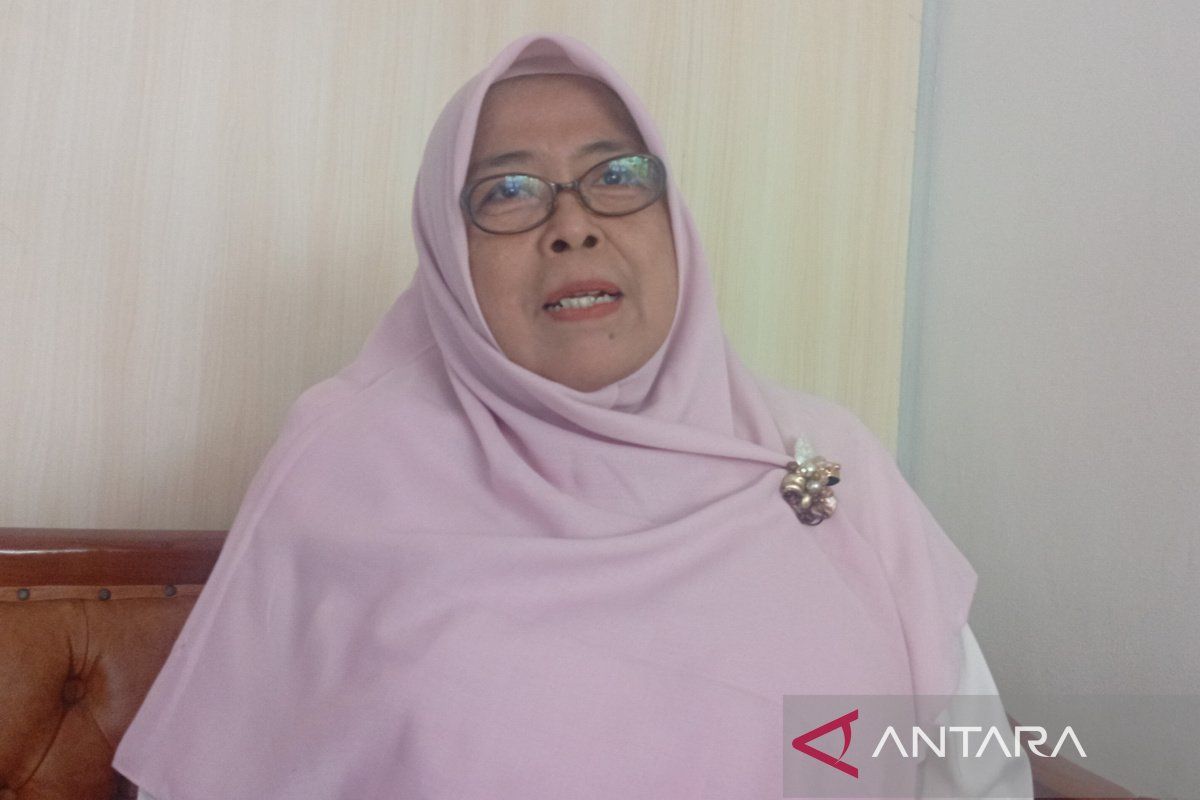
True success comes when these children can prove that poverty is not an inheritance to be passed on to the next generation.
Banyumas (ANTARA) - When entrusted with the role of head of Sekolah Rakyat Menengah Pertama (SRMP) 13 Banyumas for the 2025/2026 academic year, Siti Isbandiyah admitted she cried during her first week accompanying children from poor families, moved by witnessing first-hand the limitations of their lives.
That emotional experience became the starting point of Isbandiyah’s journey leading SRMP 13 Banyumas, which for the time being occupies one of the technical implementation units of the Ministry of Social Affairs, namely Sentra Satria Baturraden in Banyumas Regency, Central Java.
As an educator who had taught for years at various senior secondary schools (SMA), from ordinary schools to prestigious ones, Isbandiyah said her experience at the People’s School changed her perspective on the meaning of education.
Before accepting the mandate as head of SRMP 13 Banyumas, she had spent only a few weeks as head of SMA Negeri 2 Purwokerto, having previously led SMA Negeri 1 Purwokerto. Both schools are known to the public as prestigious schools in Banyumas Regency.
“At this People’s School, one must have a sincere, patient and selfless spirit. What we face is not only teaching, but how to prepare them to dare to break the chain of poverty,” she said.
In the early days, she witnessed children arriving in concerning physical condition. Some were small in stature, suspected of suffering from malnutrition; some were orphans; others were being cared for by relatives after losing their parents.
According to her, simply surviving in such conditions was already a great struggle. However, a year later, the picture changed dramatically.
The children who initially arrived with feelings of inferiority now appear cleaner, healthier and more confident. They wake early, worship, take part in boarding school activities, study with discipline, and actively participate in various self-development activities.
“If you saw them now, no one would guess they come from first or second decile families. Their appearance has changed, and their behaviour shows far more character,” she said.
This transformation, according to Isbandiyah, was born of comprehensive support. In addition to learning and care at school, students receive health services from community health centres, assistance from Sentra Satria, and support for their families as part of efforts to improve their quality of life.
However, the biggest change is visible in how the children view their future.
At regular schools, Isbandiyah was used to hearing students aspire to become doctors, military officers, police officers, teachers or engineers. In contrast, at the People’s School, a simple question about their ambitions was often met with hesitation.
One day, a student said he wanted to become a travelling cilok street vendor.
Isbandiyah admitted she was taken aback — not because of the profession itself, but because that was how far the child’s dreams reached. She did not discourage him. Instead, she invited the student to imagine greater possibilities: owning a famous cilok restaurant known internationally.