
Tax reform key to optimising state revenue in 2025
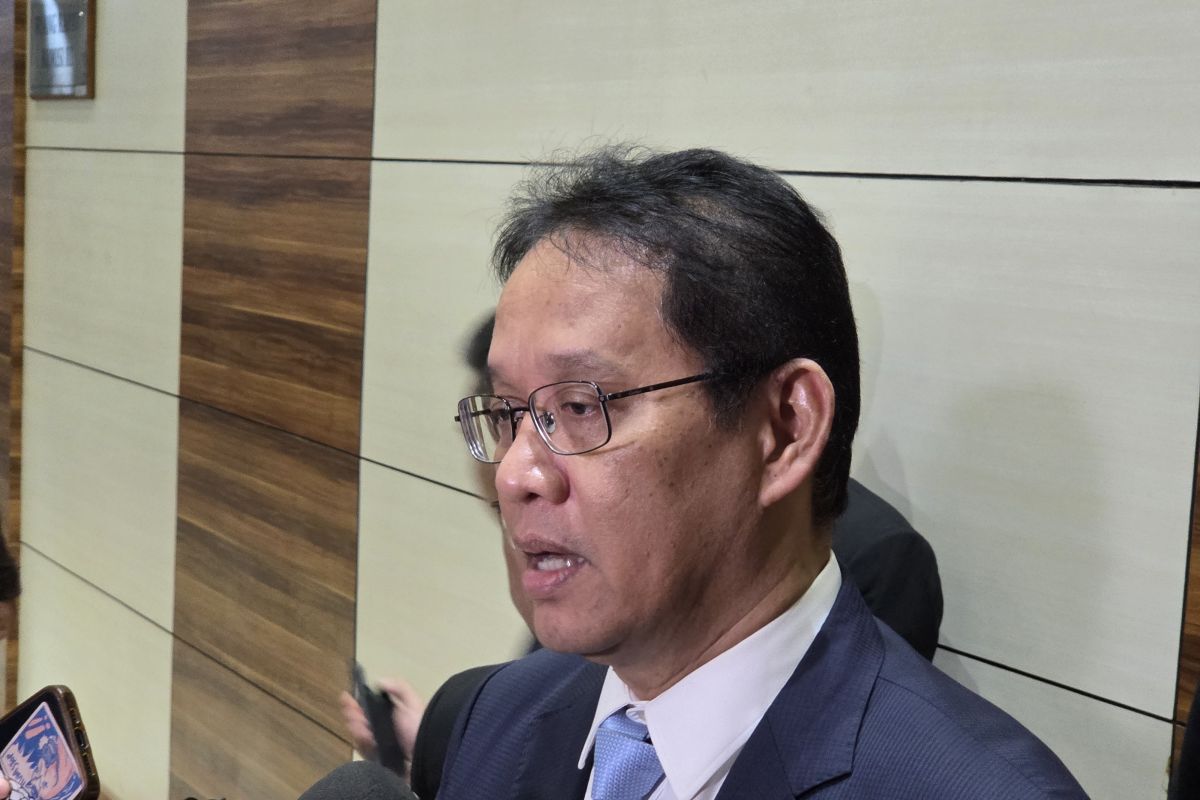
Finance Minister Purbaya Yudhi Sadewa stated that tax reform and the optimisation of Non-Tax State Revenue (PNBP) are safeguarding the performance of state revenue in the 2025 State Budget (APBN). He said the reform is being carried out through improvements to the administrative system, increased taxpayer compliance, utilisation of digital technology, and strengthening data-based supervision. “The Ministry of Finance remains committed to strengthening state revenue governance through sustainable, transparent, and accountable reform. Strong state revenue is a key prerequisite for supporting development, improving public welfare, and maintaining national economic stability,” Purbaya said during a working meeting with Commission XI of the House of Representatives regarding the Ministry of Finance’s 2025 Financial Report in Jakarta on Wednesday. In addition to tax reform, the government is also continuing PNBP reform through the optimisation of natural resource management and state property. This effort is directed at increasing the added value of state assets while strengthening the contribution of PNBP to state revenue. Finance Minister Purbaya explained that throughout 2025, the government faced various external challenges, including a slowdown in global trade, moderation in commodity prices, and increasing global economic fragmentation. “Amid a challenging global situation, the optimisation of state revenue continues to be implemented while maintaining the investment climate and supporting national economic activity,” he said. Throughout 2025, state revenue realisation reached Rp2,765.1 trillion. In the Ministry of Finance’s 2025 Financial Report, revenue managed by the ministry was realised at Rp2,271.53 trillion. This performance was supported by growth in international trade tax receipts and PNBP, which increased by 6.43 percent and 9.77 percent respectively compared to the previous year. Purbaya explained that strengthening state revenue is not solely oriented towards increasing receipts, but also maintaining a balance between fiscal needs and business sustainability. Therefore, various tax policies are pursued carefully and measurably to continue supporting the investment climate and national economic competitiveness. The government is also continuing to improve state revenue governance through strengthening data integration, improving service quality, and utilising information technology to ensure all revenue potential can be collected optimally.