
Tax Office Transfers Rp4.1 Billion from West Java Tax Delinquents' Accounts to State Coffers
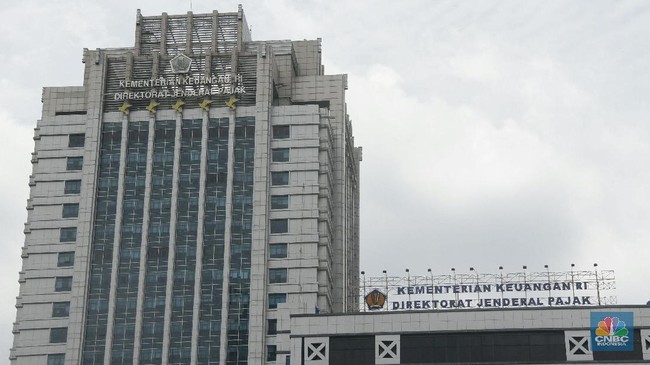
The Regional Office of the Directorate General of Taxes (Kanwil DJP) West Java II has transferred funds from the bank accounts of tax delinquents to the state treasury. This measure is part of tax collection efforts, coinciding with the Simultaneous Auction Week held from 6 to 11 July 2026. The transfer involved the book-entry of account balances that had been previously seized and blocked at Banking Financial Services Institutions after fulfilling the requirements according to regulations. The action was taken on 46 accounts with a total value of Rp4,141,565,232. The transfer was executed through the banks where the taxpayers’ or guarantors’ accounts were seized. The book-entry transfer of account balances was carried out on accounts that had been seized and blocked and had passed the 14-day period since the seizure. The balance was then transferred to the state treasury through the ID Billing mechanism to settle the tax debts. As for goods auctioned during the Simultaneous Auction Week up to 21 July 2026, the sale of movable assets resulted in two mobile phones and one 2-gram Antam precious metal piece, totalling Rp5,975,900. Additionally, offers were made for two immovable assets, a kiosk and a plot of land, with a total limit value of Rp424,151,000, but no bids were received from auction participants. The West Java II DJP Regional Office urges all taxpayers to fulfil their tax obligations correctly, completely, and on time. By doing so, active collection measures such as seizure, auction, and book-entry transfer of account balances can be avoided. The Directorate General of Taxes stressed that collection actions are a last resort after taxpayers have been given the opportunity to settle their tax debts voluntarily. The implementation of auctions and book-entry transfers of account balances is not solely aimed at recovering tax receivables but also serves to educate that all tax obligations must be met on time. Tax compliance not only provides legal certainty for taxpayers but also contributes to state revenue used to finance development and public services.